
DESERT CASTLES
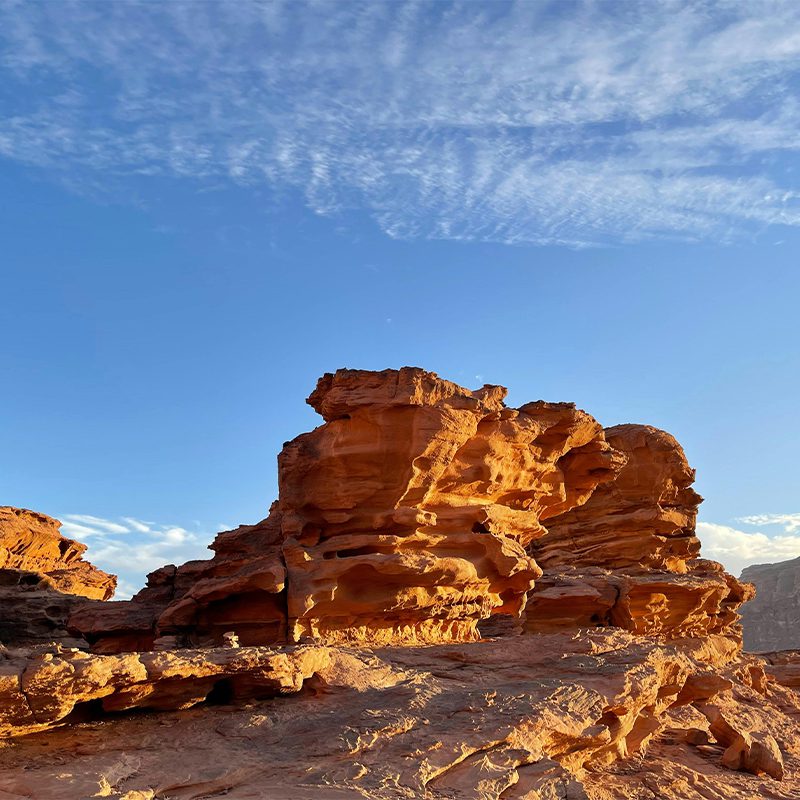
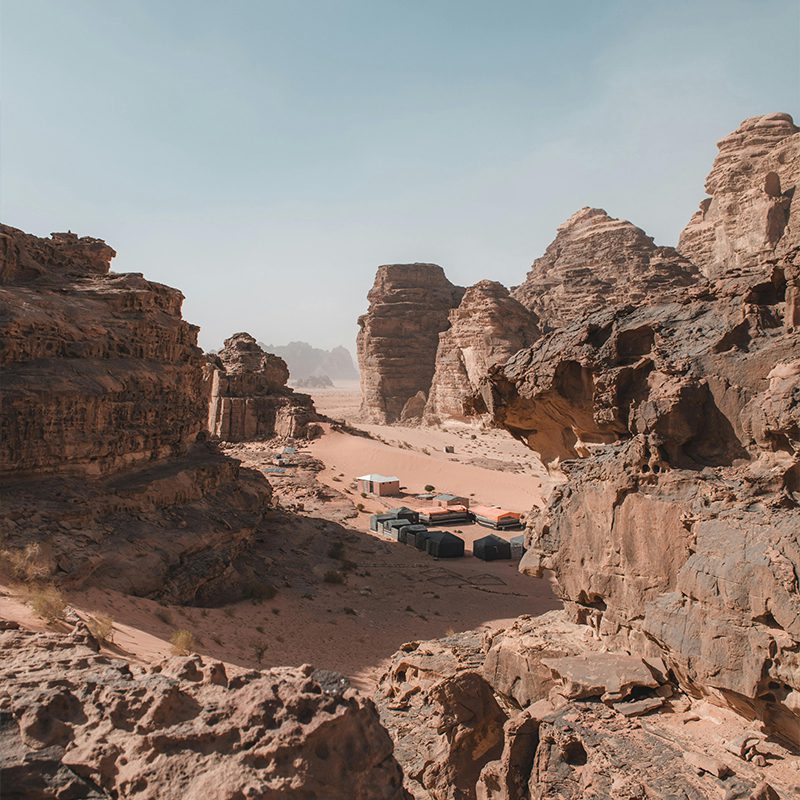
Jordan’s Desert Castles are a remarkable group of Umayyad-era structures dating back to the 7th and 8th centuries, scattered across eastern Jordan’s desert. They served various purposes, including caravan stations, agricultural centers, and royal retreats.
The most commonly visited castles include Qasr Amra, Qasr Al-Kharana, Qasr Azraq, and Qasr Al-Hallabat, all easily accessible from Amman on a day tour. Known for their impressive architecture, the castles feature frescoes, mosaics, and designs influenced by Persian and Greco-Roman traditions, offering valuable insight into early Islamic art and life during the Umayyad period.
Today, the Desert Castles are important cultural landmarks and popular tourist attractions, providing visitors with a fascinating journey through Jordan’s rich history and desert landscapes.
Experiences
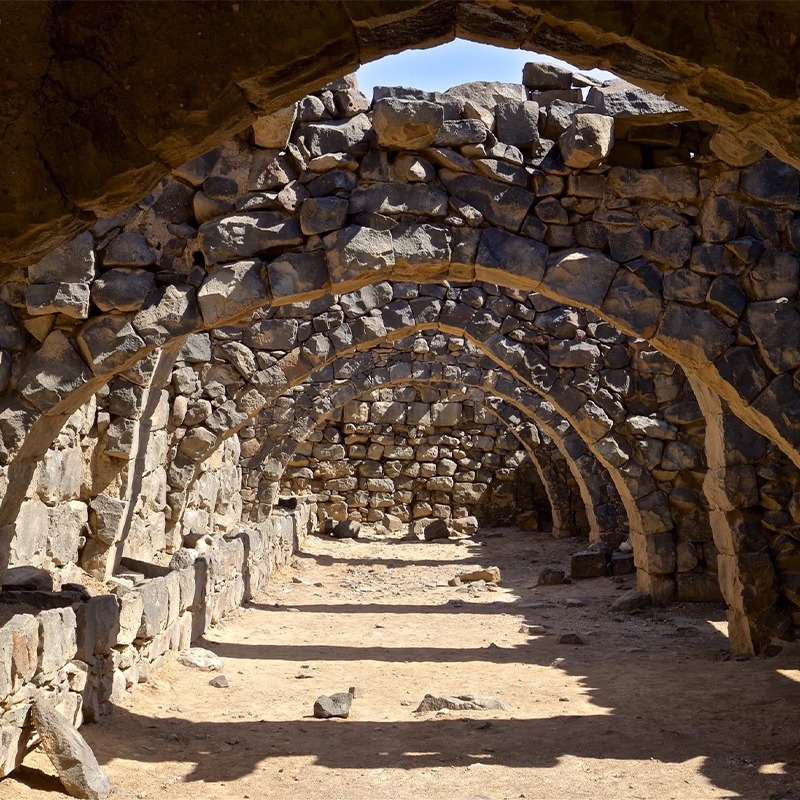
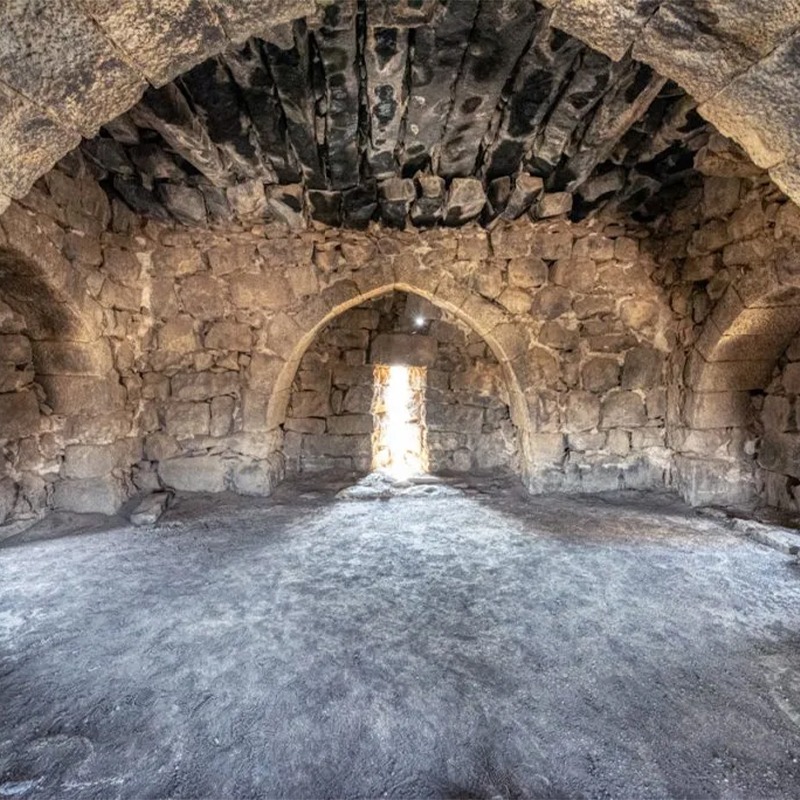
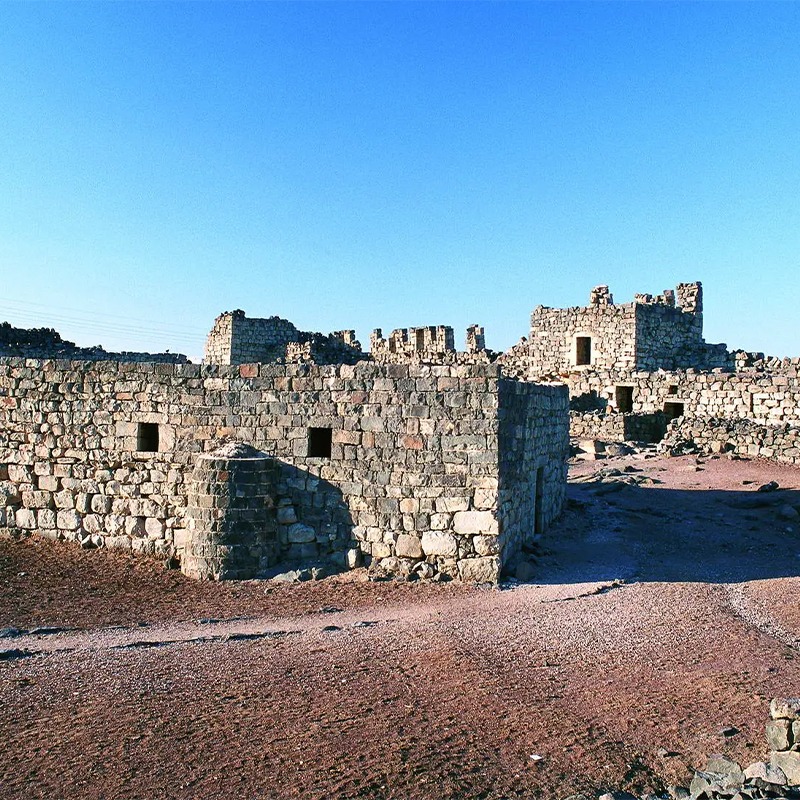
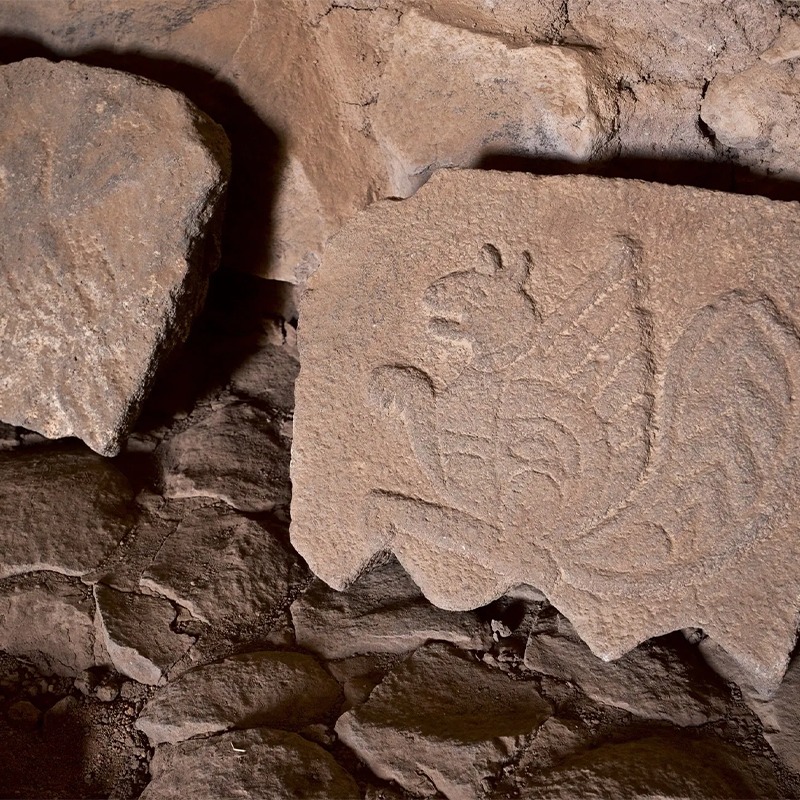
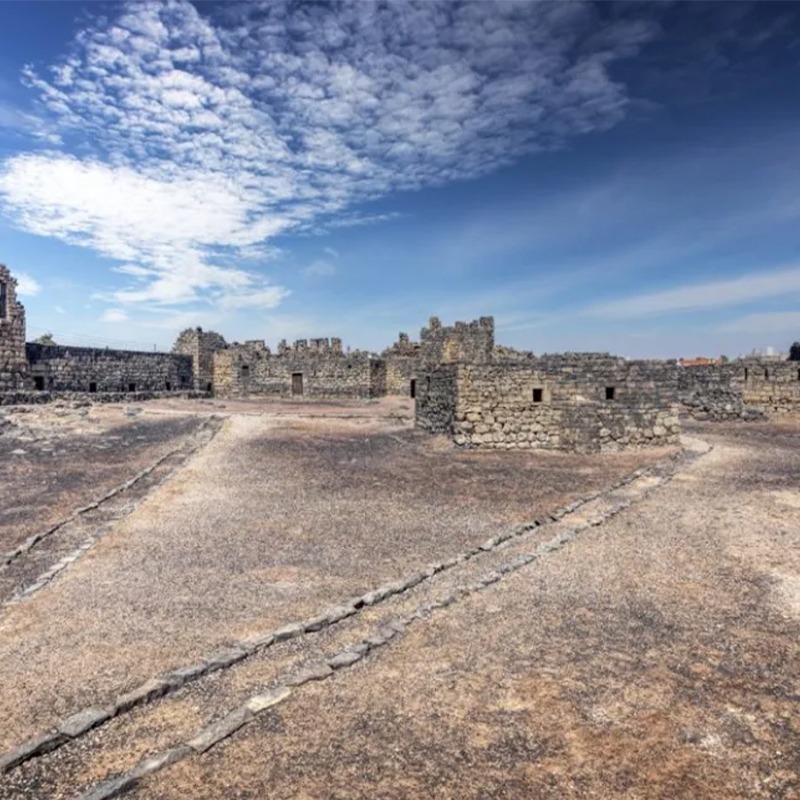
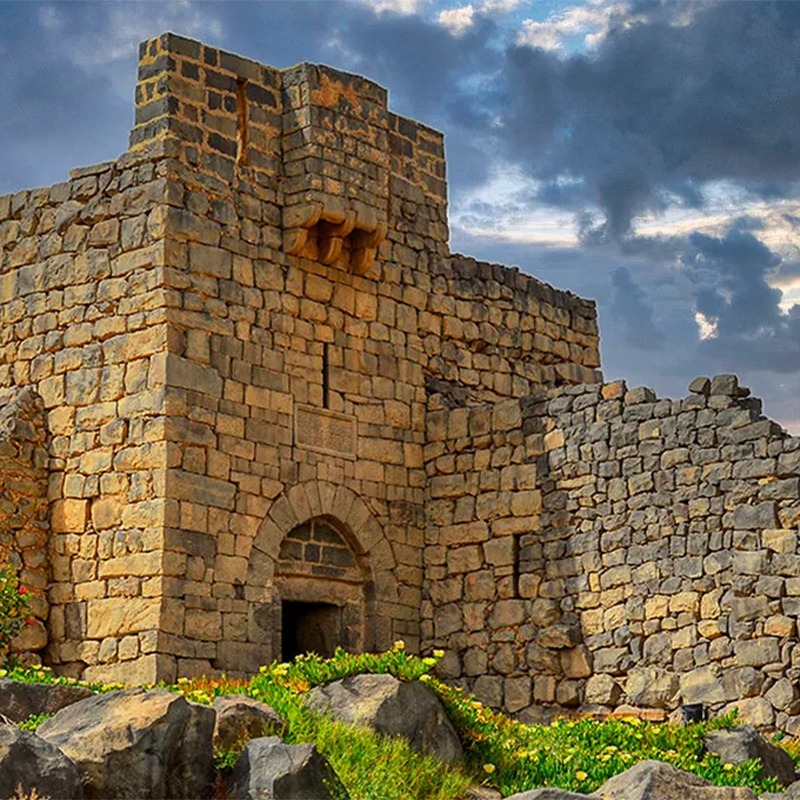
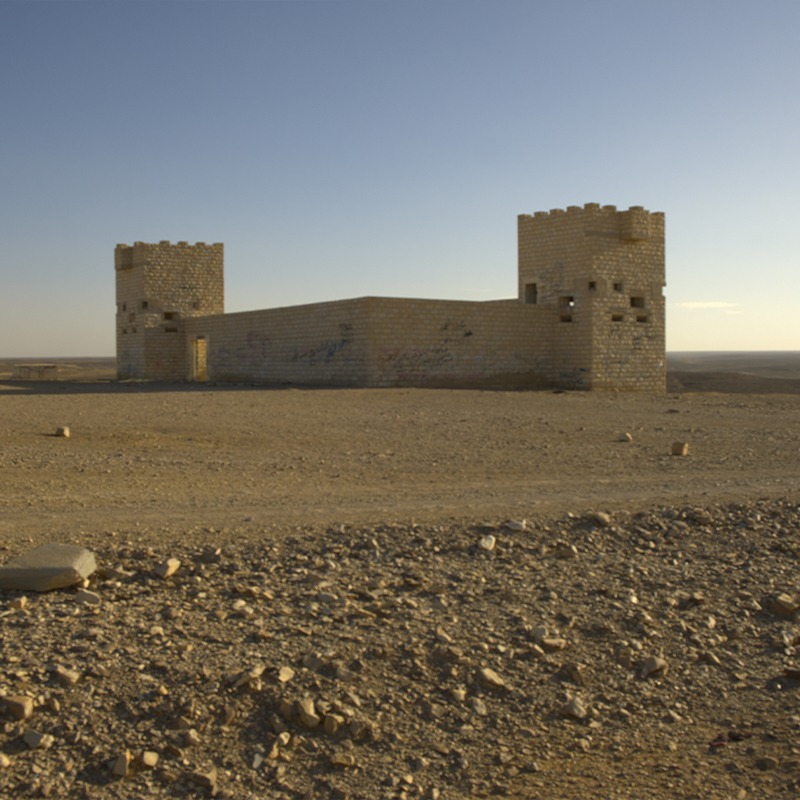
Qasr Al Azraq is an ancient basalt fortress in Jordan’s eastern desert with origins dating back to Roman times, evidenced by Greek and Latin inscriptions.
It was later renovated by the Umayyads, including Caliph Walid II, and used for military and hunting purposes.
The fortress gained major historical importance during the Ayyubid and Ottoman periods and was fortified in the 13th century.
It became especially significant in the Arab Revolt in 1918, and remains an important historical site today.
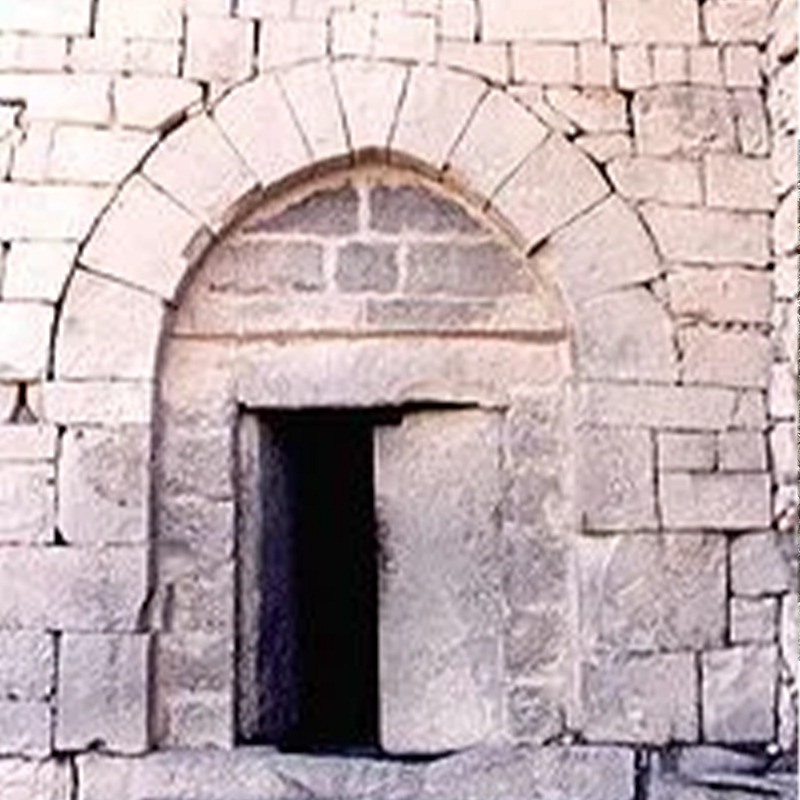
Qasr Amra is a well-preserved Umayyad desert castle in eastern Jordan, built during the reign of Yazid bin Abd al-Malik as a hunting lodge.
It is part of a larger complex that once served as a caravanserai and bathhouse, reflecting its multifunctional role in the desert.
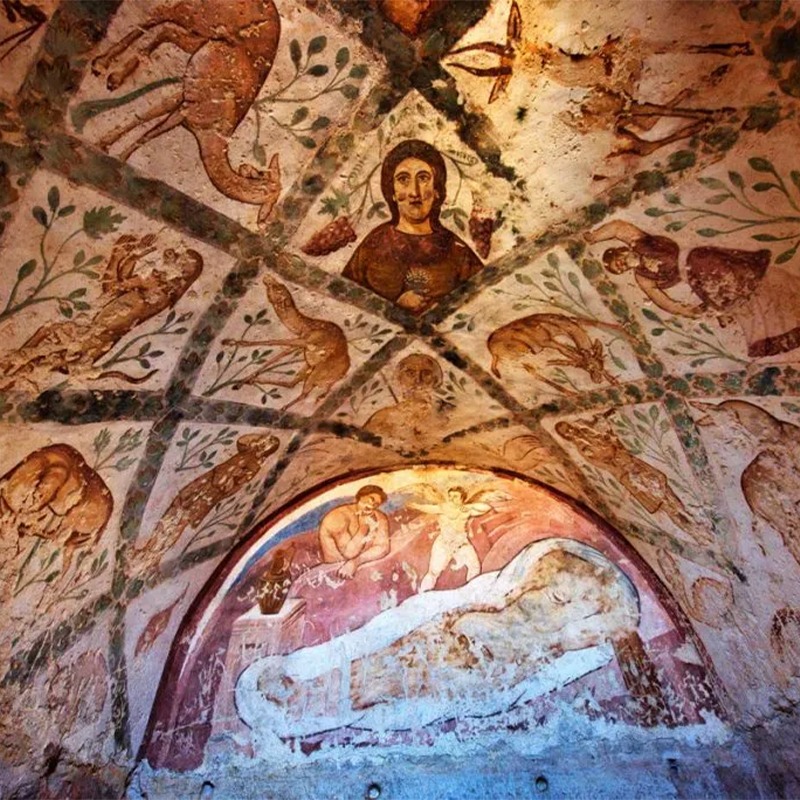
The site is famous for its unique 8th-century frescoes depicting scenes of daily life, leisure, and art from the Umayyad period.
Today, it is a UNESCO World Heritage Site and an important destination for understanding early Islamic culture and architecture.
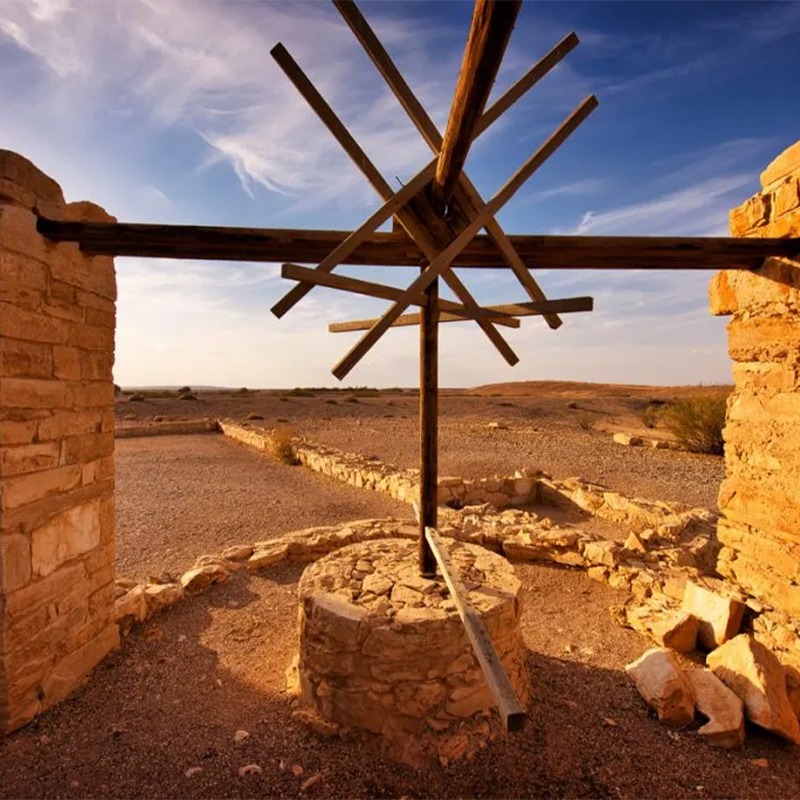
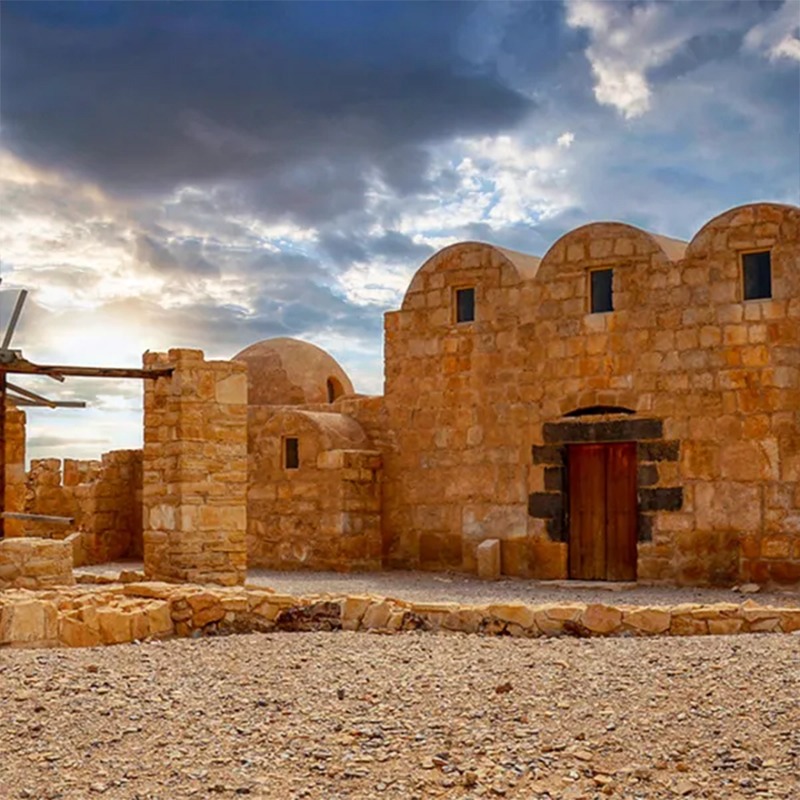
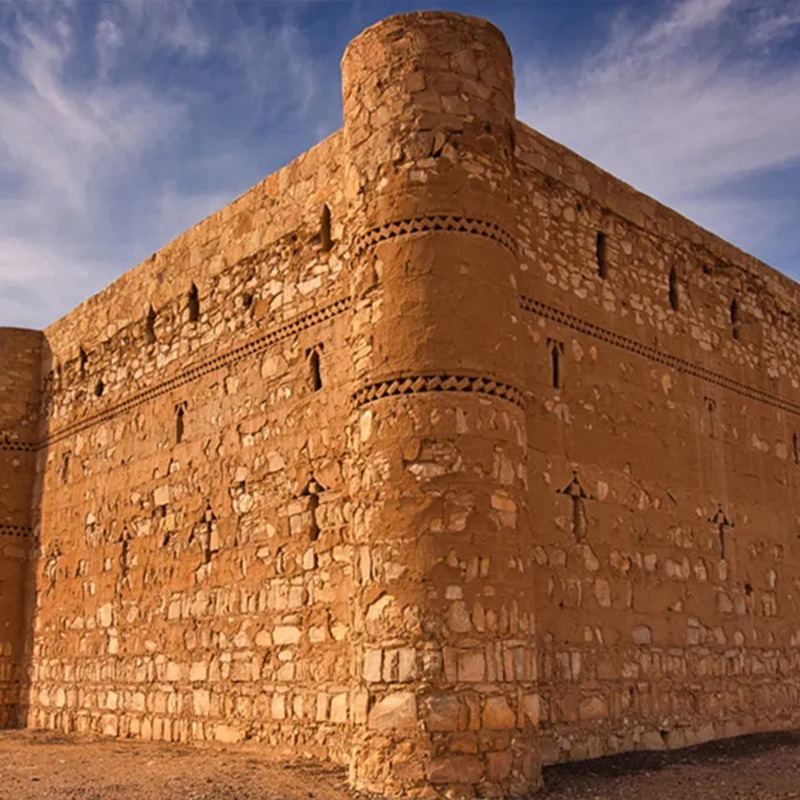
Qasr Kharanah is a striking Umayyad-era desert structure located in the Harrana Valley in eastern Jordan, built during the reign of Al-Walid ibn Abd al-Malik.
Despite being called a castle, its exact function is unclear, though it is believed to have been a meeting place for elites and Bedouins rather than a military fortress.
It stands out for its massive square design, thick walls, and isolated location in a harsh desert landscape.
Today, it is one of the most photogenic Jordanian desert castles, valued for its mystery, architecture, and historical significance.
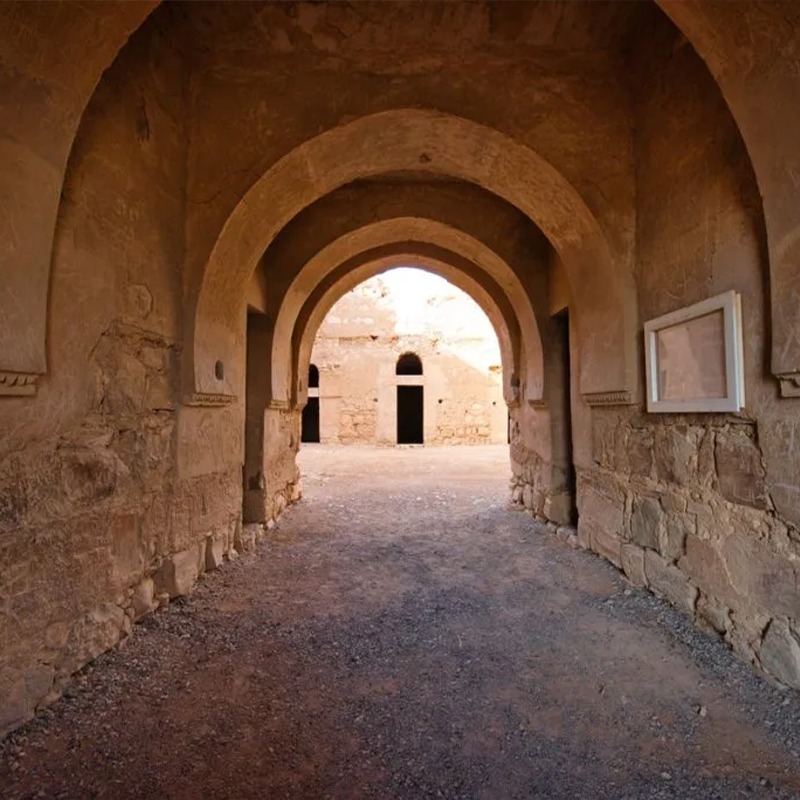
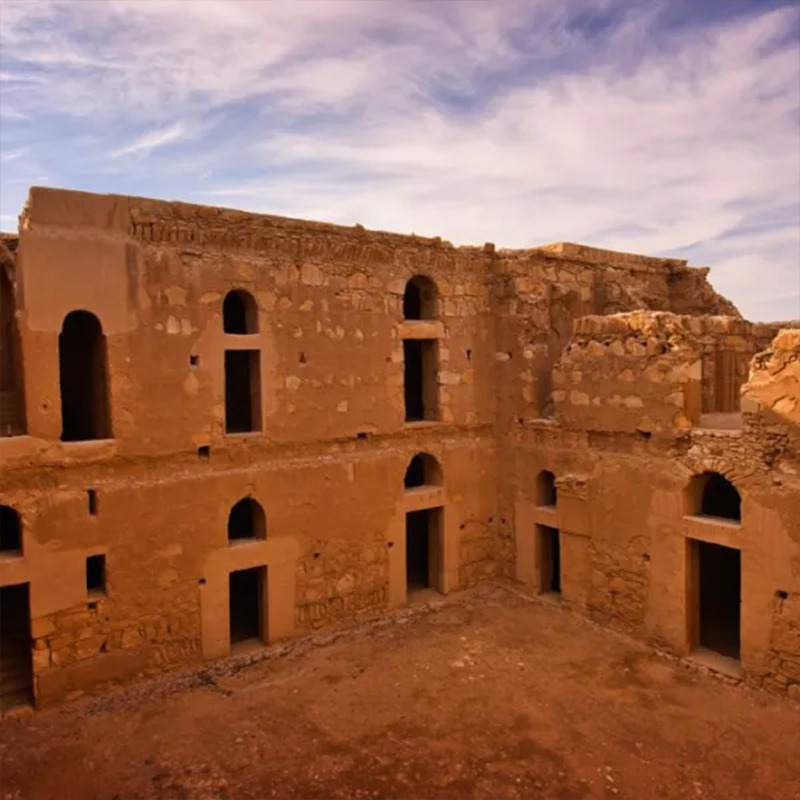
Qasr al-Hallabat is an important archaeological complex in eastern Jordan that began as a Roman fortress built around 106 AD to protect the Nova Trajana route.
It was later expanded in the 4th century and transformed into a major Umayyad site featuring baths, frescoes, mosaics, a mosque, and water reservoirs.
Nearby, Hammam al-Sarah served as a 7th–8th century bathhouse linked to the Umayyad palace system.
Today, the site has been partially restored, offering visitors a clear view of its Roman and Islamic architectural heritage.
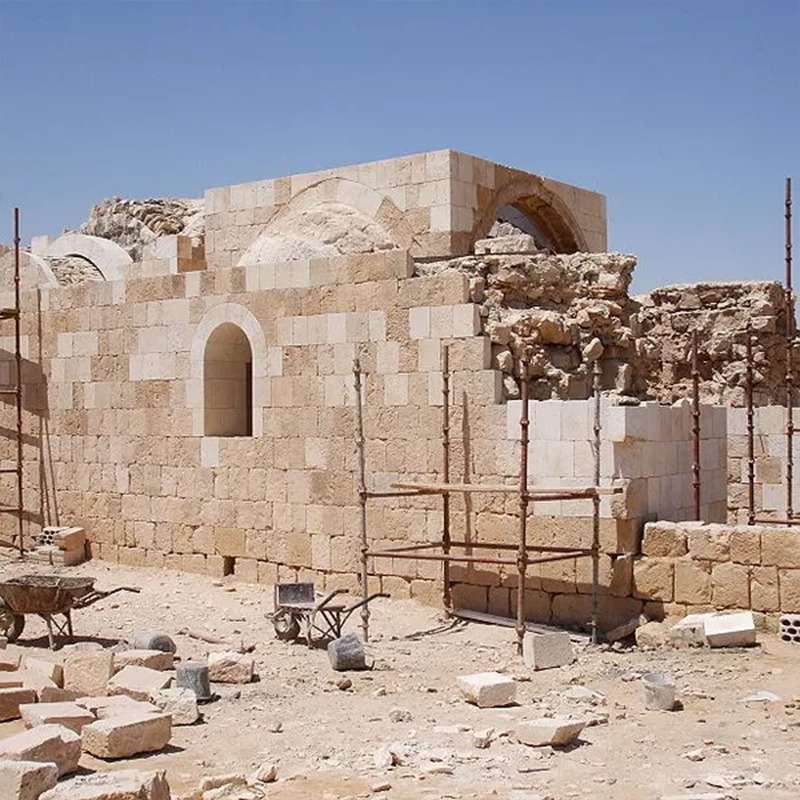
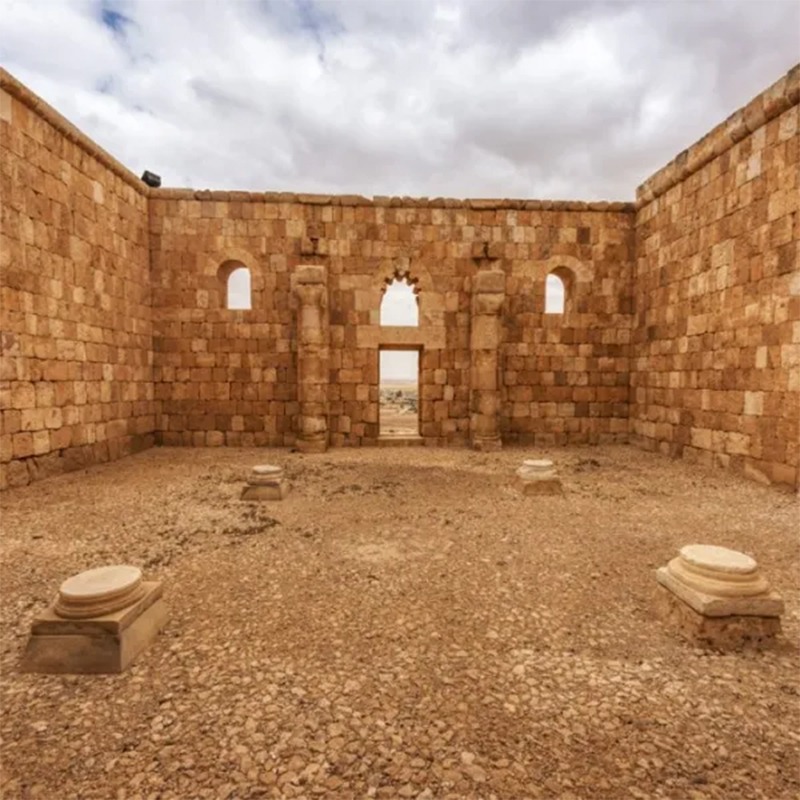
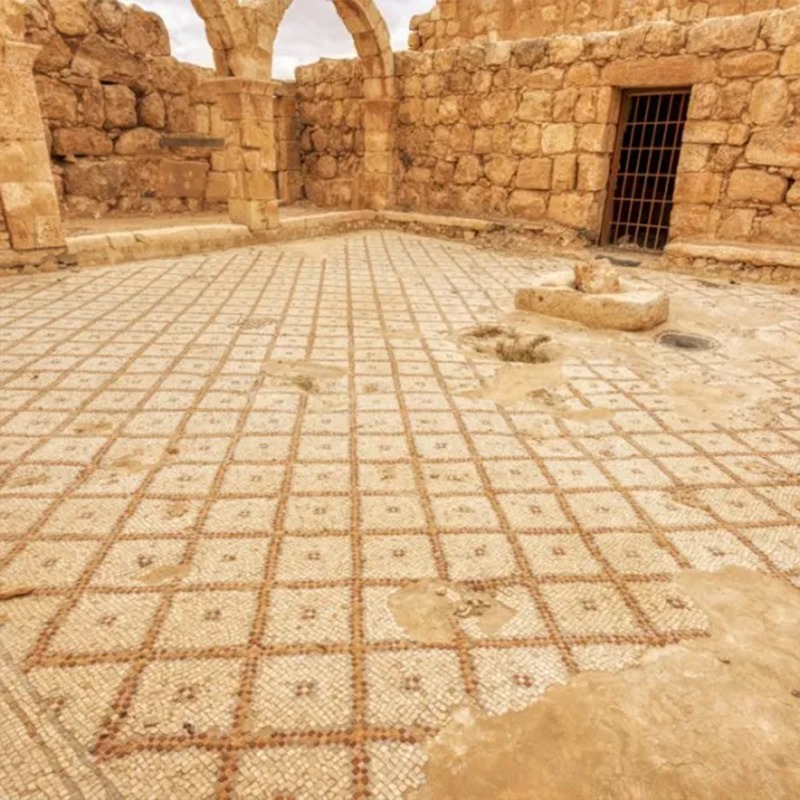
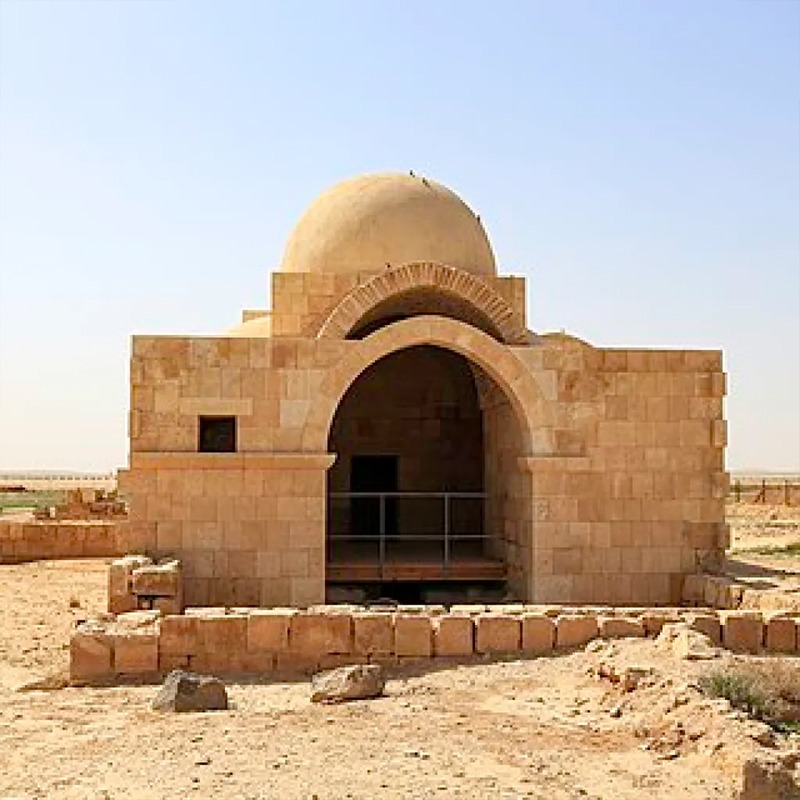
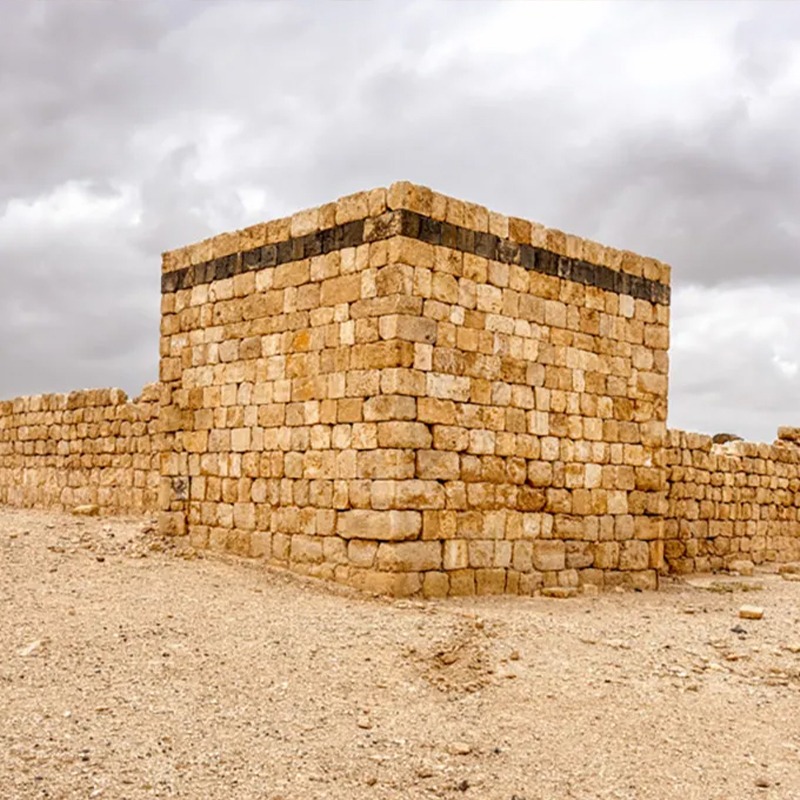
Qasr Tuba is an early Umayyad desert castle in eastern Jordan, built in the 8th century about 65 km northeast of Amman.
It likely served as a fortified palace, hunting lodge, and agricultural estate, featuring courtyards, rooms, and carved limestone architecture.
The site is notable for its advanced water system, including a cistern and aqueduct, and a distinctive central dome structure.
Today, it is a protected archaeological site where visitors can explore its remains and learn about Umayyad desert architecture and life.
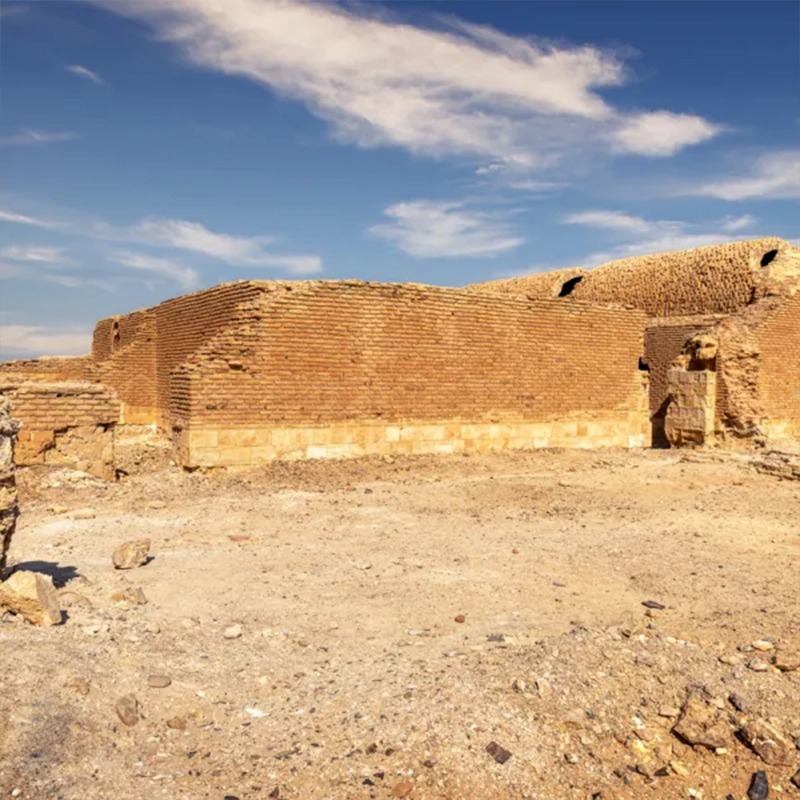
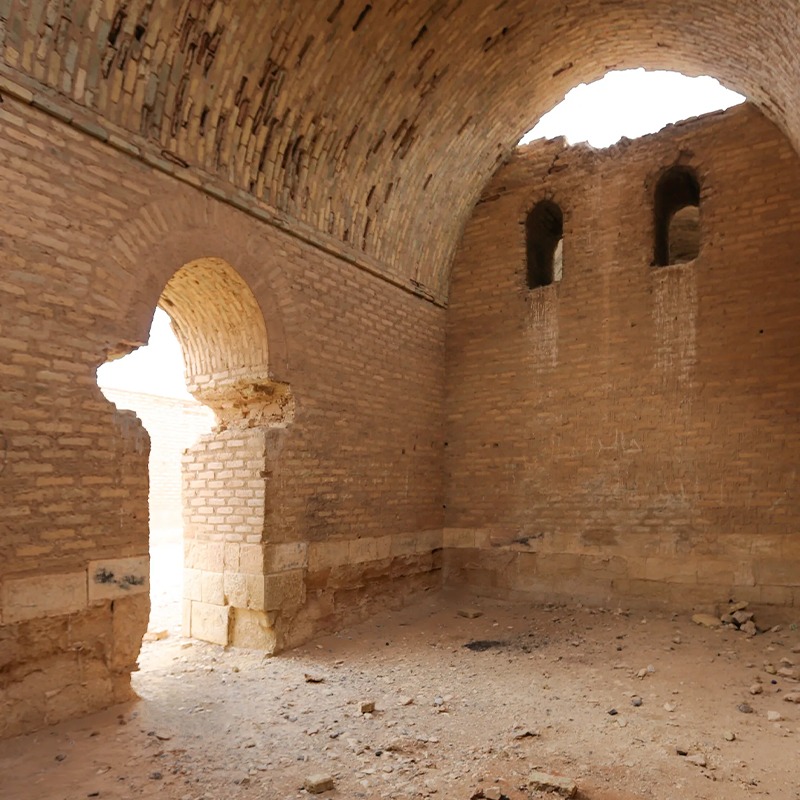
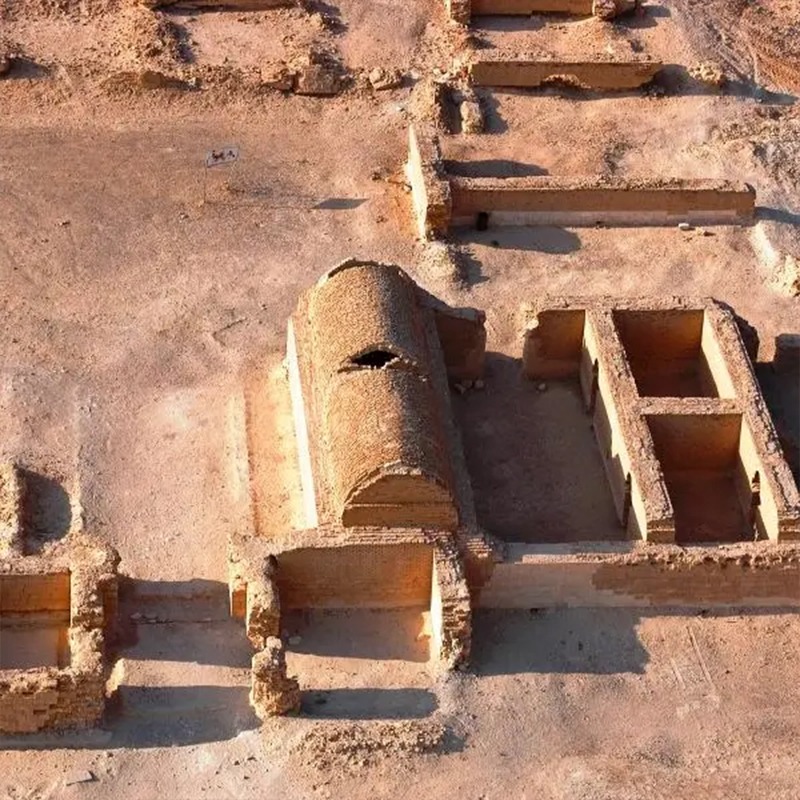
Qasr Bayir is an early Umayyad desert castle located about 50 km southeast of Amman, dating to the 8th century.
It was built near a natural spring and features a rectangular layout with courtyards, rooms, and a fortified gatehouse with defensive towers.
The castle is notable for its advanced water system, including cisterns and underground channels used for storage and irrigation.
Today, it is an archaeological site managed by Jordan’s Department of Antiquities, showcasing Umayyad architecture and desert life.
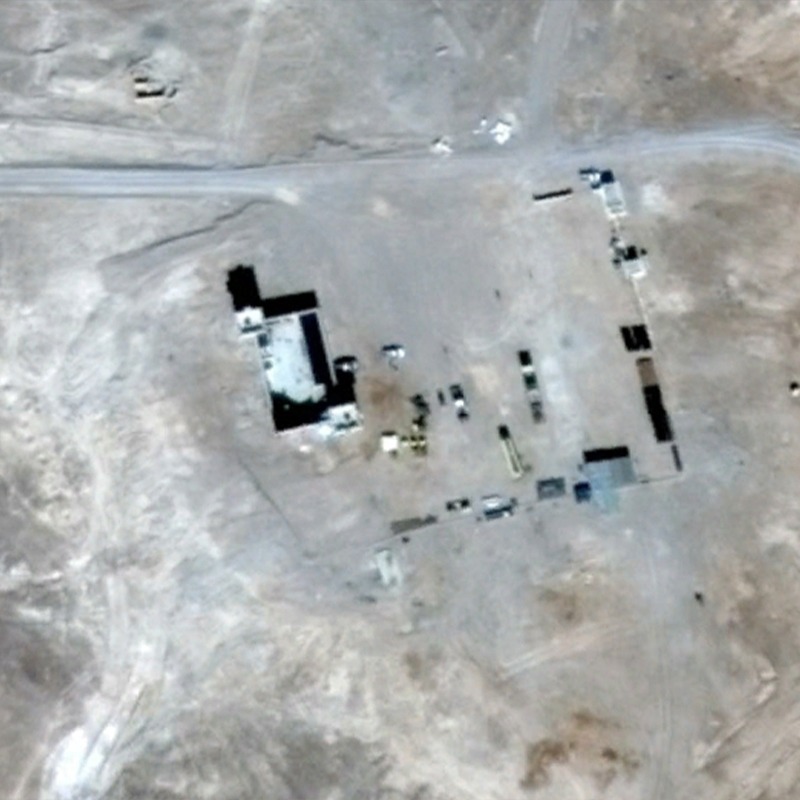
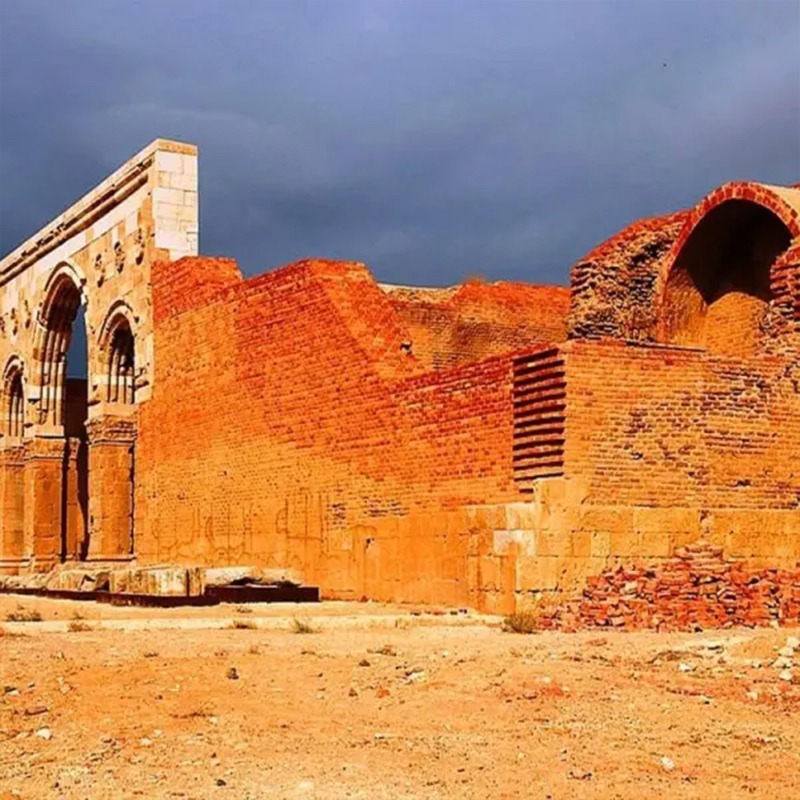
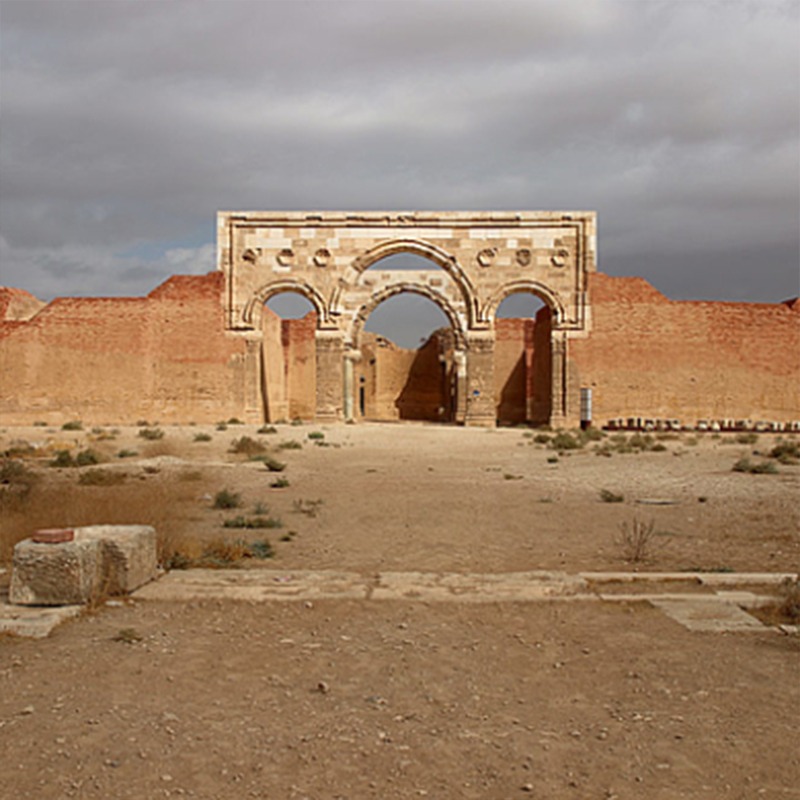
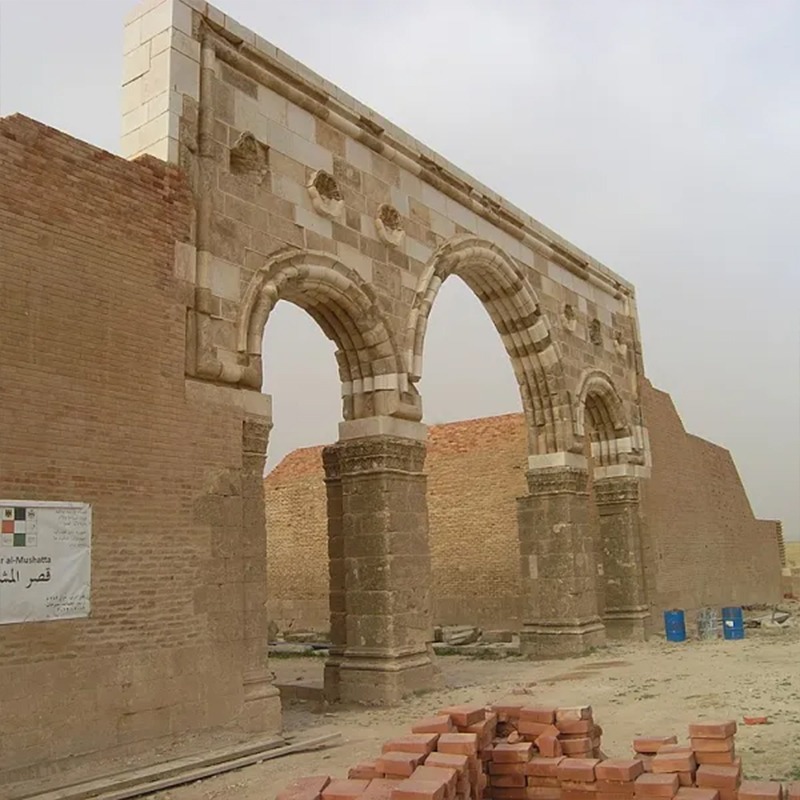
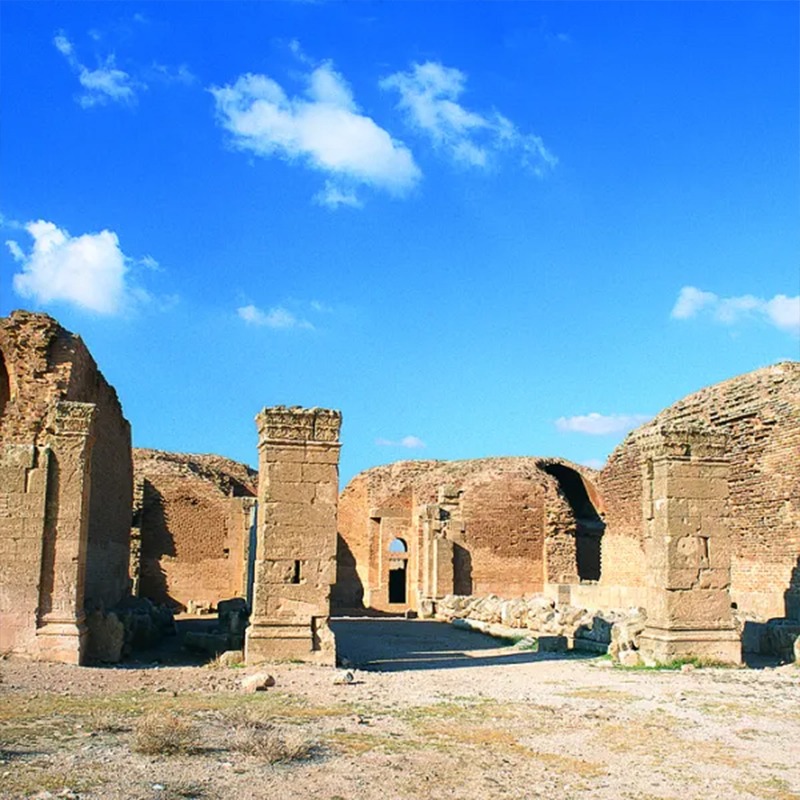
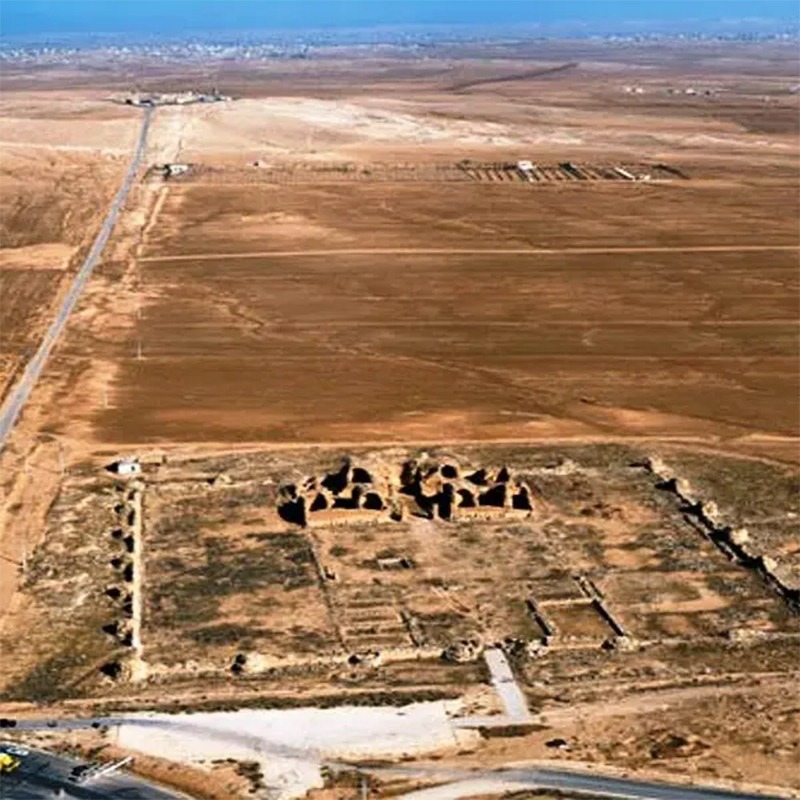
Qasr Al-Mshatta is an unfinished early Islamic palace built in the 8th century south of Amman during the Umayyad period, likely under Caliph Al-Walid II.
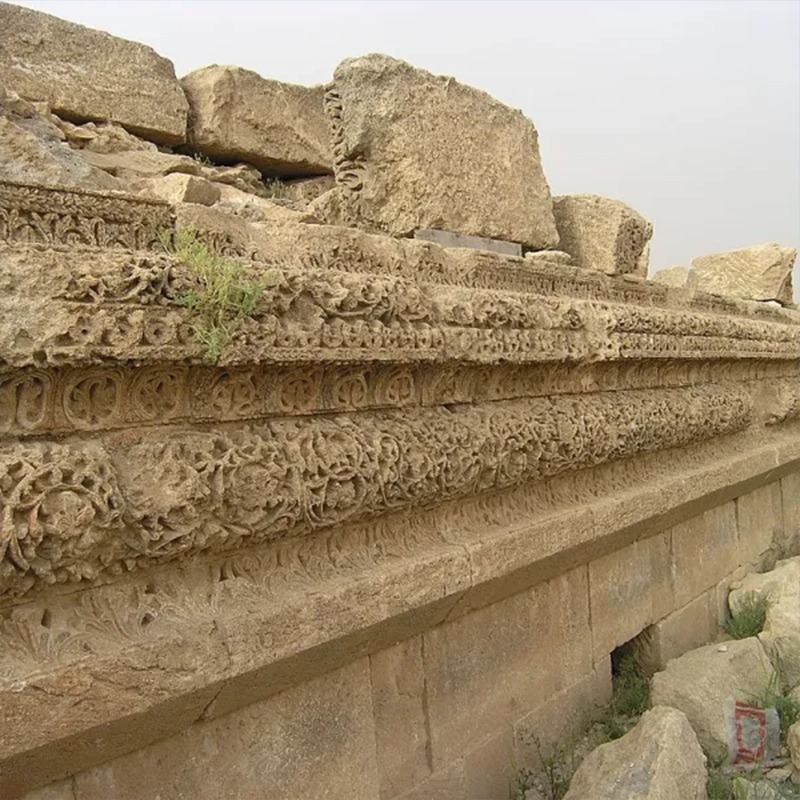
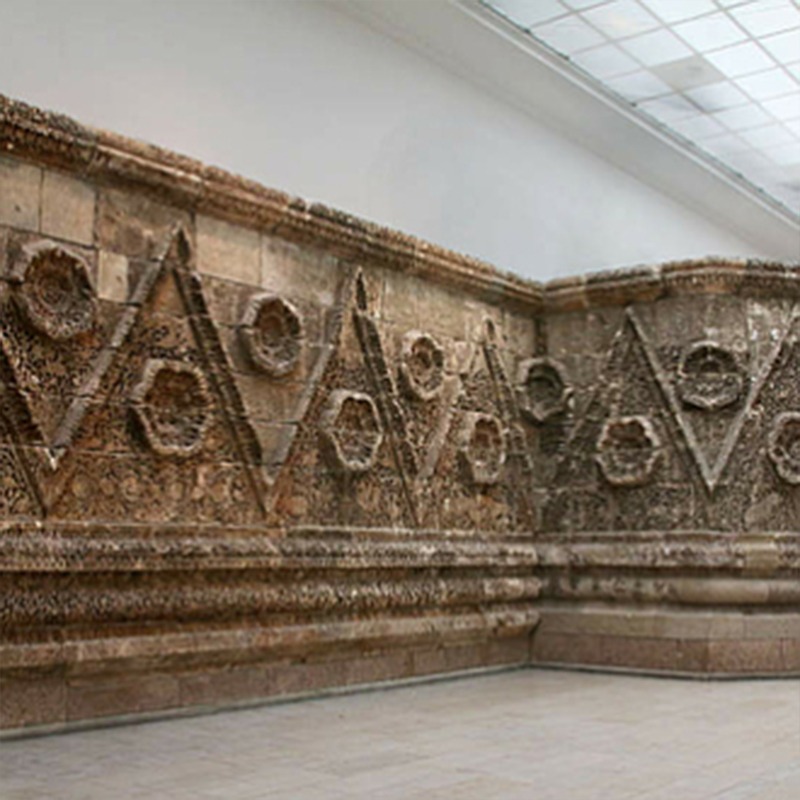
It features a large palace complex with a mosque, bathhouse, and richly decorated facade covered in detailed stone carvings of geometric patterns, animals, and hunting scenes.
Much of the site was later damaged and used as a quarry, with parts of its famous facade now preserved in museums abroad.
Today, it remains an important archaeological landmark showcasing early Islamic art and Umayyad architecture.
Al Qastal is an ancient site located southwest of Amman, with a long history stretching from the Bronze Age through the Islamic period.
In the Iron Age, it was a fortified city and an important trade and religious center, with temples dedicated to the god Baal.
The site also played a role in early Islamic history, linked to military activity during the Arab conquests of the Levant.
Today, visitors can explore its ruins, including city walls and a fortress, along with museum displays of its archaeological finds.
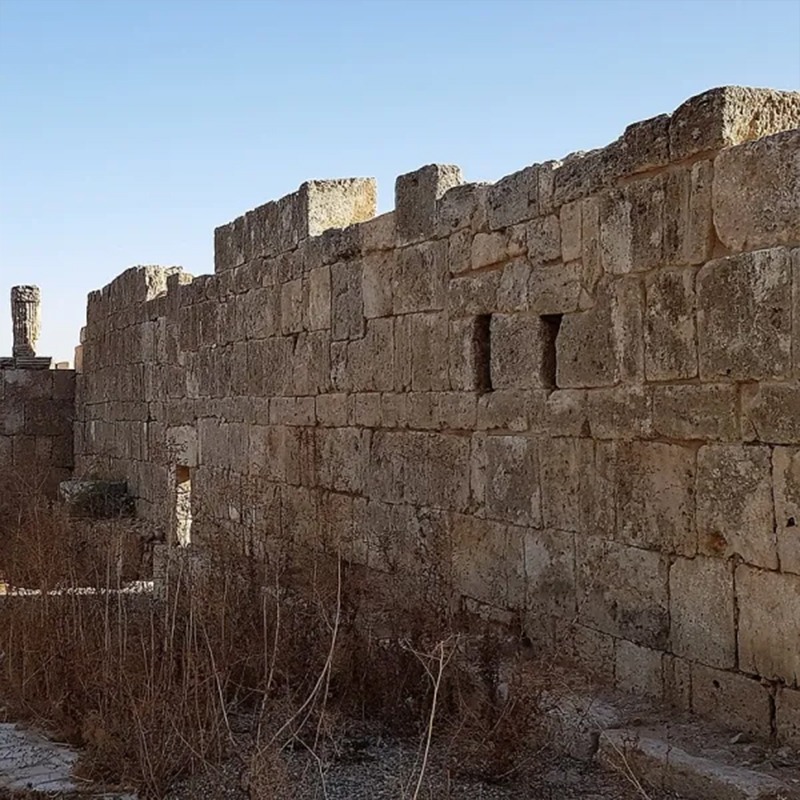
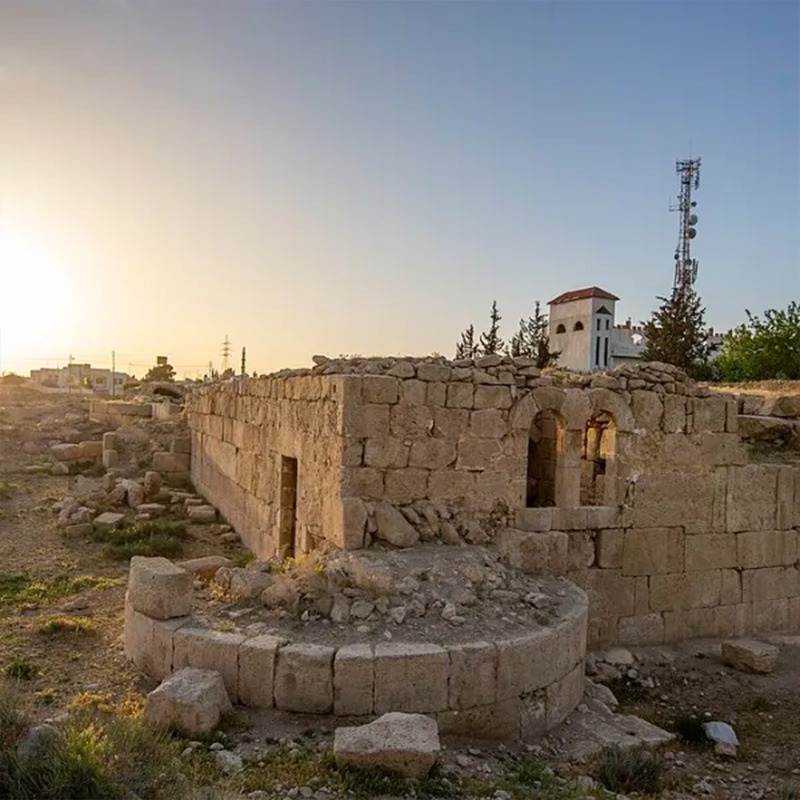
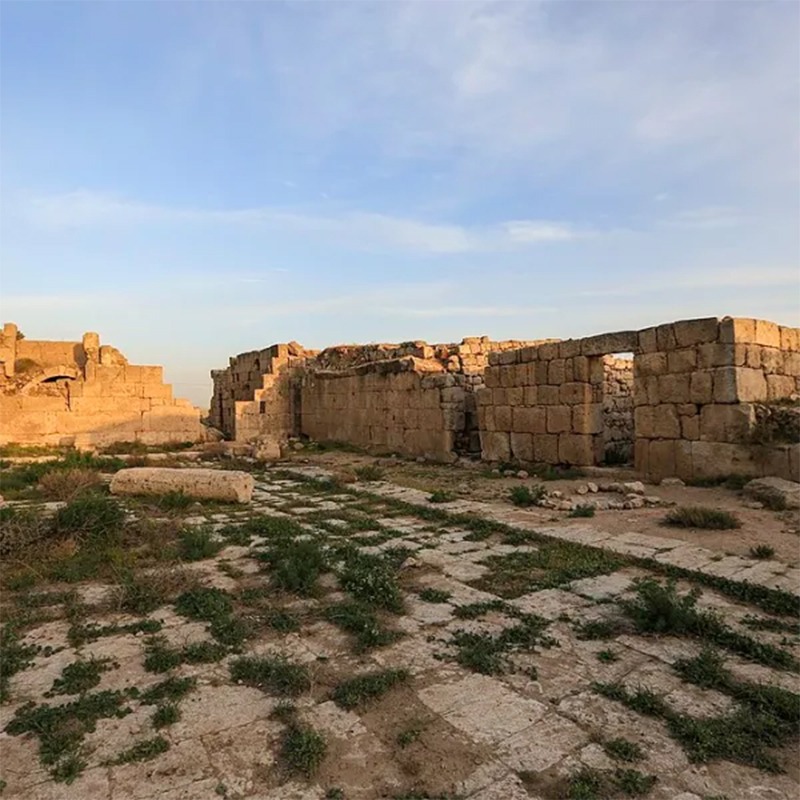
Qasr Mshash is an Early Islamic desert castle in southern Jordan, likely used as a caravan waystation.
It includes a caravanserai-style building, bathhouse, and large reservoir, surrounded by small domestic structures forming a settlement.
The site is notable for its advanced water management system, relying mainly on seasonal winter rain collected in cisterns and dams.
Today, it is an ongoing archaeological project studied by international teams to better understand its layout and historical function.
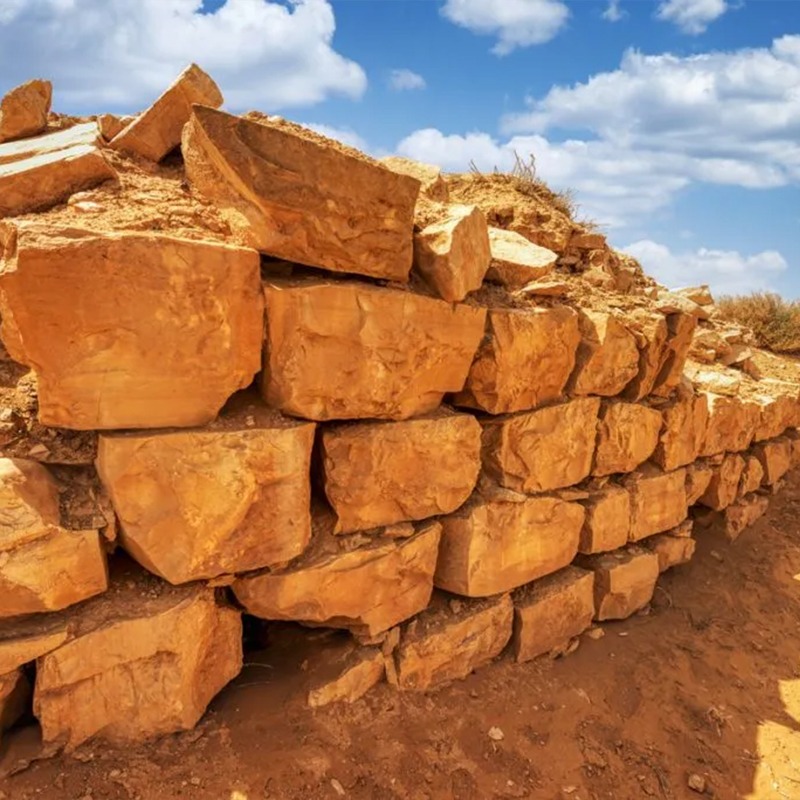
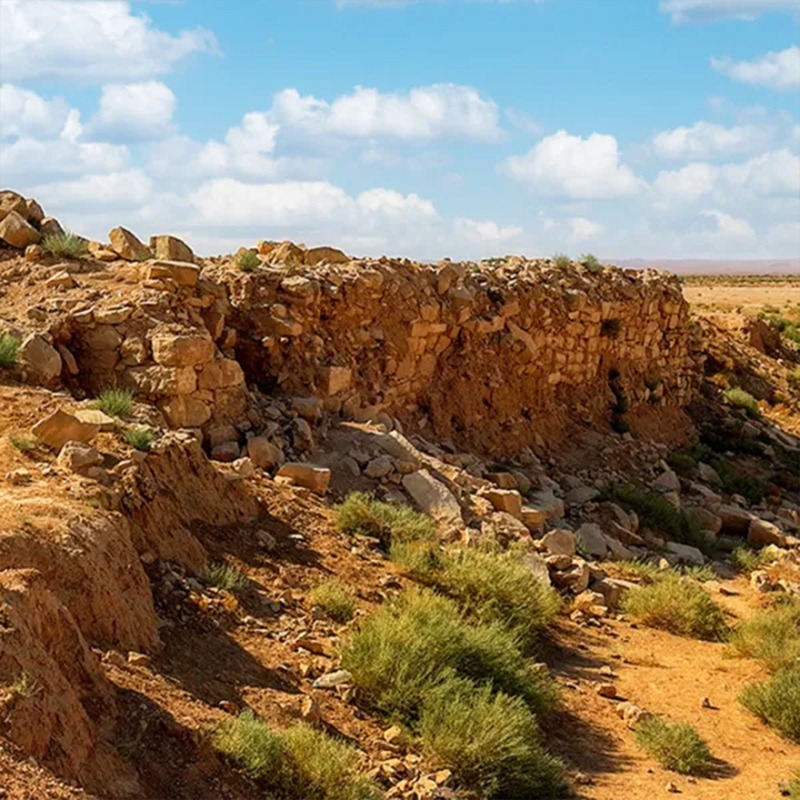
Qasr Burqu is an ancient site in Jordan’s Eastern Desert near the Iraqi border, known for its remote and hard-to-reach location.
It features a man-made lake formed by an ancient Roman dam that once supplied water to passing caravans.
The site also contains inscriptions in Greek and Arabic dating from the 3rd century and the Umayyad period.
Today, it is both an archaeological landmark and a protected wildlife area, home to desert animals like gazelles and foxes.
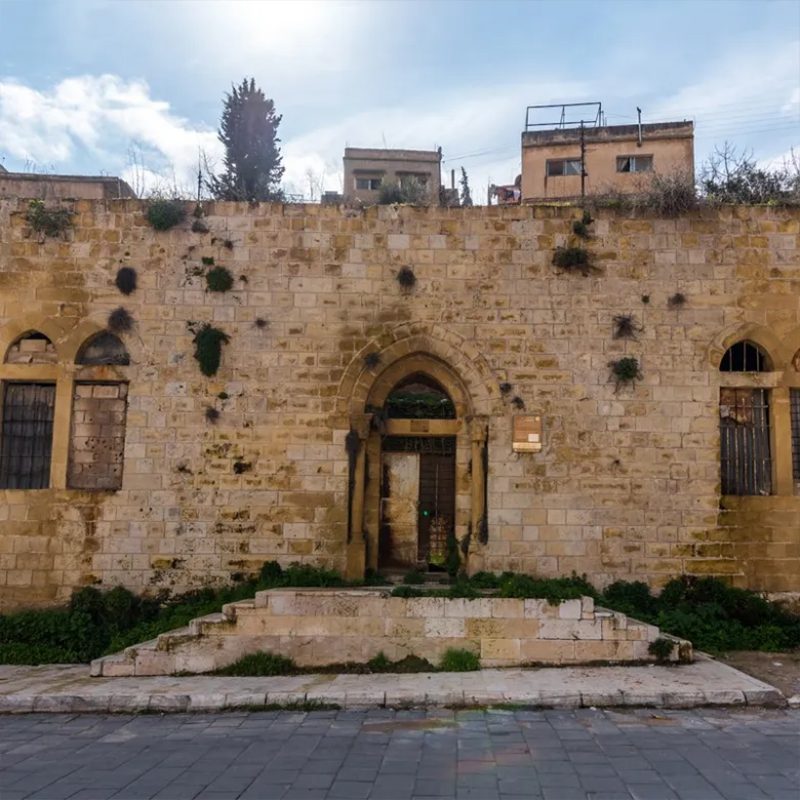
Qasr Al-Muwaqqar is a former Umayyad complex located 20 km from Amman in Jordan. Its remains are used as livestock pens and have been subjected to rubbish dumping. The Qasr was likely used by caravans passing through the area, and its reservoir was built by order of the Caliph Yazid II. A few subterranean vaulted structures, low walls, and paving remain today. The site also contains ruins of a Byzantine settlement. A stone column capital salvaged from the site and now in the Archaeological Museum on the Amman Citadel bears a Kufic inscription revealing the origin of the reservoir.


