Jordan Tourist Attractions
Amman
the capital of Jordan, is a city that blends old and new, located between the desert and the fertile Jordan Valley. It features modern buildings and shopping areas alongside traditional markets, cafés, and cultural neighborhoods like Downtown, Jabal Lweibdeh, and Abdali.

Dead Sea
The Dead Sea is a unique natural wonder known for its extremely salty, mineral-rich waters that allow visitors to float effortlessly. Its healing minerals and black mud have attracted visitors since ancient times, including Cleopatra and King Herod.

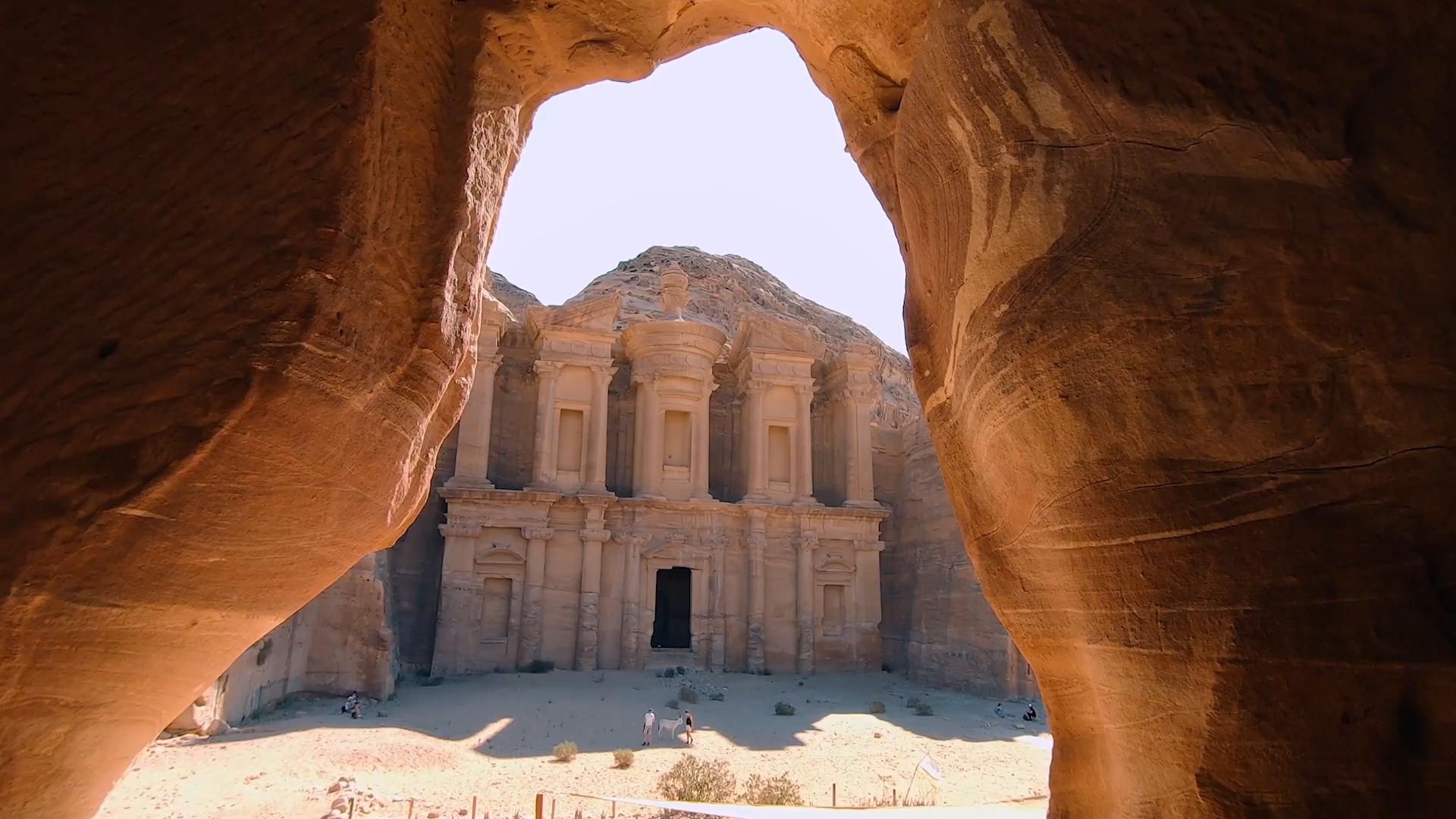
Petra
Petra is Jordan’s most famous tourist attraction and a UNESCO World Heritage Site, built over 2,000 years ago by the Nabataeans. Known for its remarkable rock-cut architecture, Petra is one of the New Seven Wonders of the World.

Wadi Rum
Wadi Rum, “The Valley of the Moon” in Jordan, is a stunning desert destination known for its dramatic rock formations, vast landscapes, and Bedouin culture. Visitors can enjoy 4×4 jeep tours and starry nights in this cinematic Arabian wonder.

Aqaba
Aqaba, at Jordan’s southern tip, is a vibrant Red Sea beach town known for diving, water sports, and history. Explore the world’s first underwater military museum and enjoy its warm, shallow waters ideal for snorkeling and diving.

Jerash
Jerash in Jordan is an ancient city blending Greco-Roman and Oriental heritage. Famous for its well-preserved Roman ruins and lush surroundings, it’s a top destination for history and culture lovers.

Um Qais
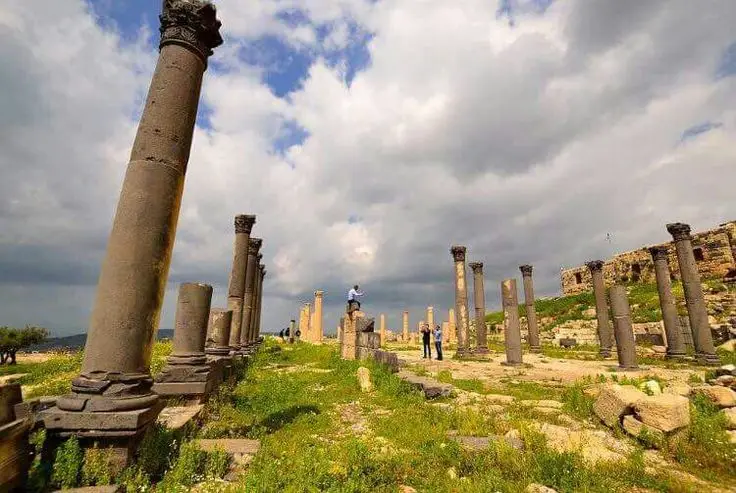
Umm Qais in Jordan, once the ancient city of Gadara, is a historic hilltop site overlooking the Jordan Valley and Sea of Galilee. Famous for its Roman ruins, colonnaded streets, and stunning views, it’s a must-visit cultural destination.
Yarmouk Forest Reserve
Yarmouk Forest Reserve near Umm Qais, Jordan, is a protected natural area famous for its oak trees, diverse wildlife, and rich birdlife. A perfect destination for nature lovers and eco-tourism enthusiasts.

Pella
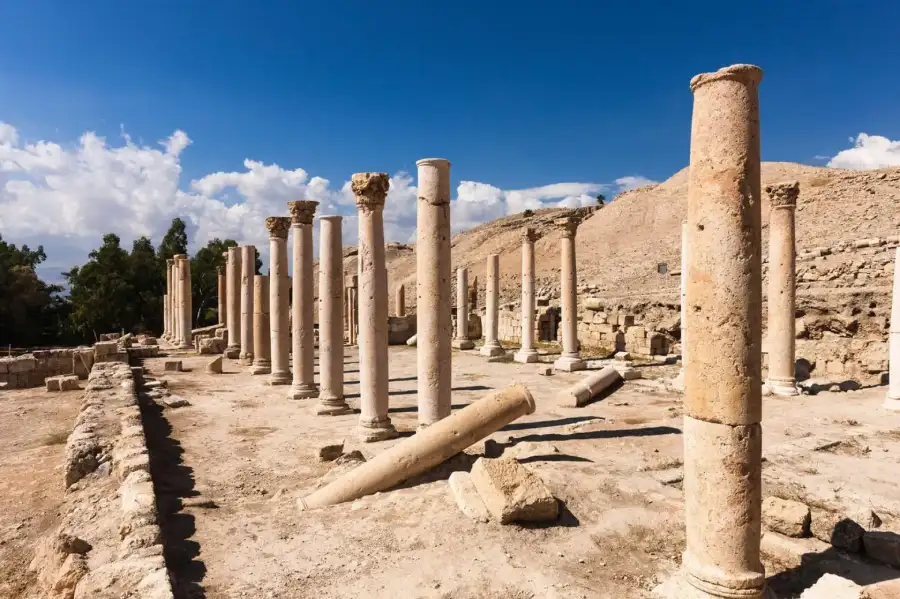
Pella, Jordan’s ancient Decapolis city overlooking the Jordan Valley, offers ruins dating back to 6500 BC. Visitors can explore its rich history spanning multiple civilizations, making it a must-visit archaeological site.
Ajloun
Ajloun in northern Jordan is famous for its lush pine forests and the historic Ajloun Castle (Qal’at Ar-Rabad). A perfect destination for nature lovers and history enthusiasts, offering scenic landscapes and medieval architecture.

Ajloun Forest Reserve
Ajloun Forest Reserve in Jordan spans 13 km² and features diverse woodlands of oak, pine, and other native trees. It’s a hub for nature lovers and conservation education, hosting the region’s first academy for environmental protection and sustainable development.

Um El Jimal
Umm el-Jimal in northern Jordan is an ancient archaeological site spanning 2,000 years of Nabataean, Roman, Byzantine, and Islamic history. Visitors can explore over 150 preserved structures and experience traditional Bedouin culture.

As-Salt
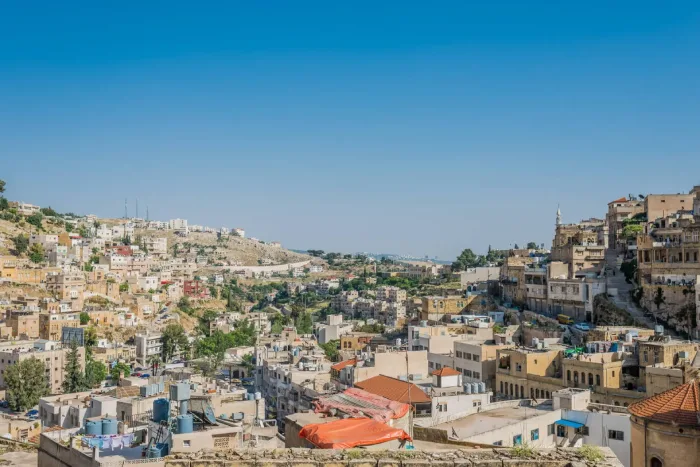
As-Salt, northwest of Amman, is a historic mountainside city known for its Ottoman heritage, authentic culture, and scenic views. Its traditional homes are being considered for UNESCO World Heritage status.
Desert Castles
Jordan’s Desert Castles are remarkable examples of early Islamic art and architecture, dating back to the 8th century. Famous for their mosaics and frescoes, they once served as caravan stations, trade centers, and desert retreats.

Shaumari Reserve
Shaumari Wildlife Reserve in Jordan is a protected area established to conserve endangered species. Home to Arabian oryx, gazelles, ostriches, and onagers, it is a key eco-tourism and wildlife conservation destination.

Azraq Wetland
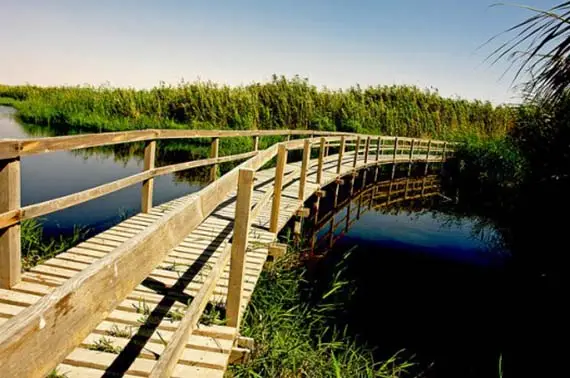
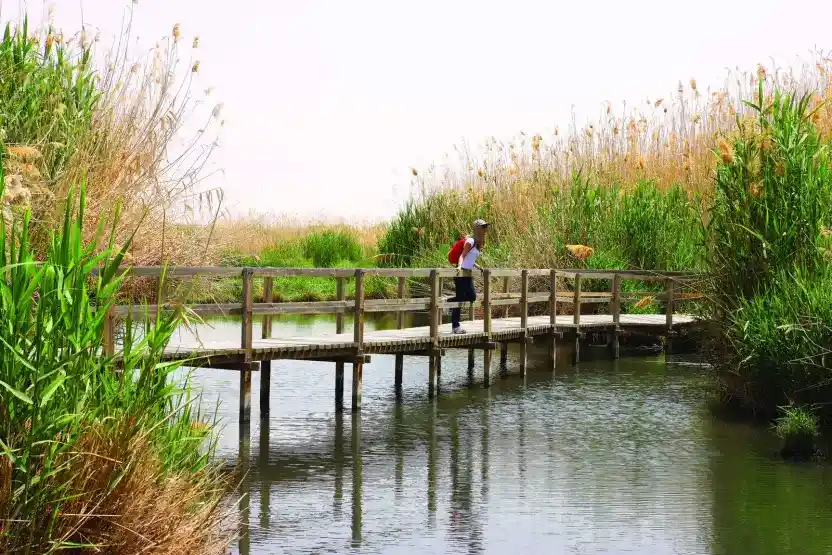
Azraq Wetland in eastern Jordan is a rare desert oasis and a key stopover for migratory birds from three continents. Ideal for birdwatching, it also offers rich cultural diversity and natural beauty.
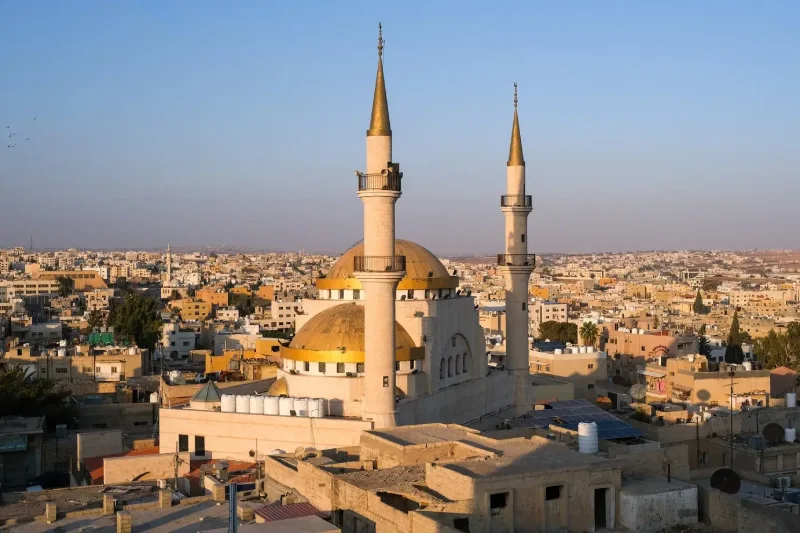
Madaba
Madaba, known as the “City of Mosaics,” is a key religious tourism destination in Jordan. Famous for the Mosaic Map of Jerusalem at St. George’s Church, it showcases remarkable Byzantine and Umayyad art
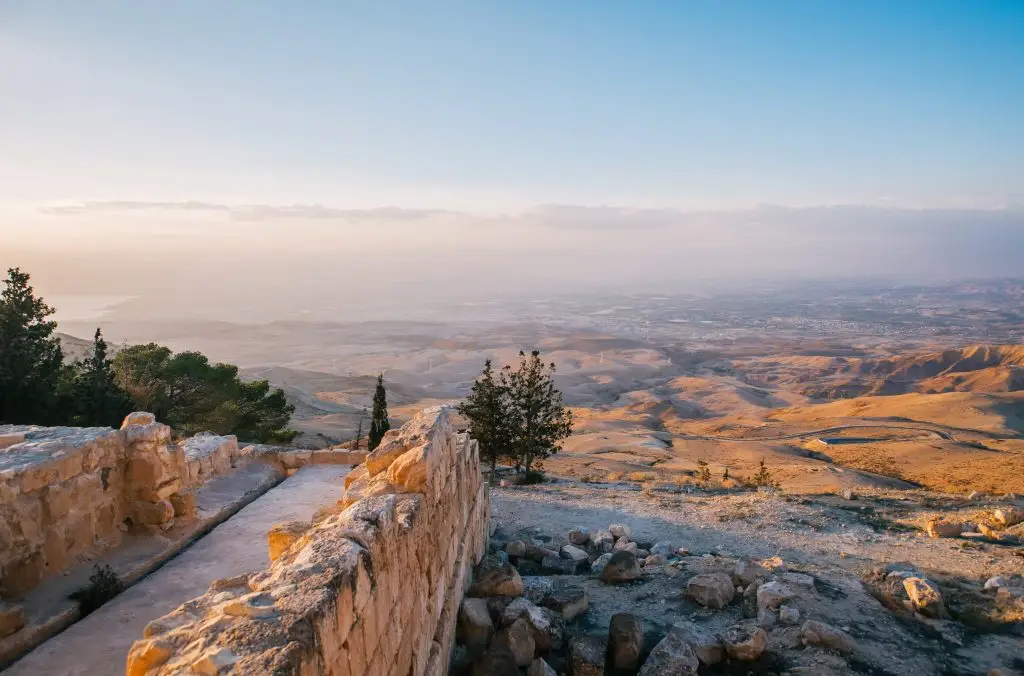
Mount Nebo
Mount Nebo in Jordan is a sacred religious site where Moses is believed to have viewed the Holy Land. It features historic churches and beautiful mosaics, making it a major pilgrimage and cultural destination.
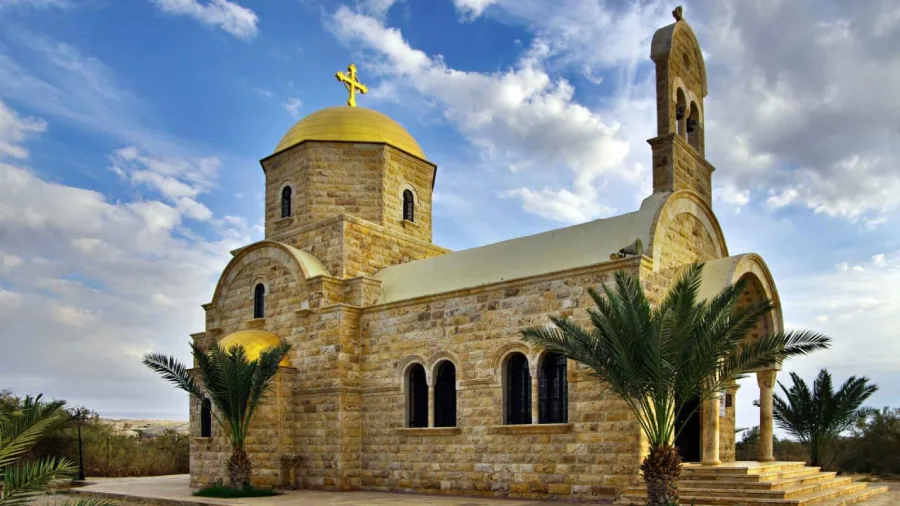
Bethany
Bethany Beyond the Jordan (Al-Maghtas) is a UNESCO World Heritage Site and the biblical Baptism Site of Jesus Christ. A major pilgrimage destination, it attracts visitors seeking spiritual and historical significance along the Jordan River.
Machaerus
Machaerus is a historic hilltop fortress in Jordan, identified as the palace of Herod Antipas. Overlooking the Dead Sea region, it is known for its biblical significance as the site where John the Baptist was imprisoned and executed.
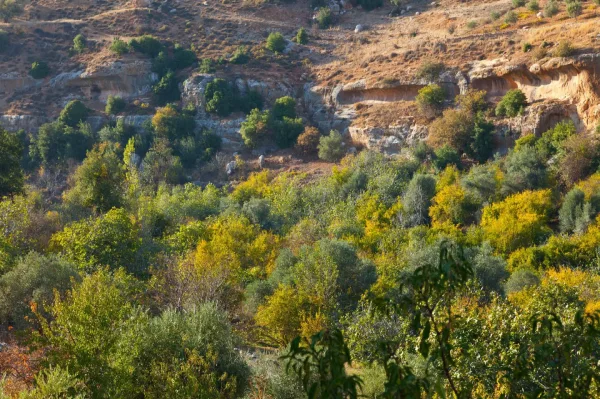
Ma’in Hot Springs
Ma’in Hot Springs in Jordan is a stunning desert oasis located below sea level, famous for its mineral-rich thermal waterfalls. A top wellness destination, it attracts visitors seeking relaxation and natural healing.

Kerak
Karak is a historic city in southern Jordan, best known for the impressive Crusader-era Karak Castle. Overlooking ancient trade routes, it remains a key destination for history and cultural tourism.
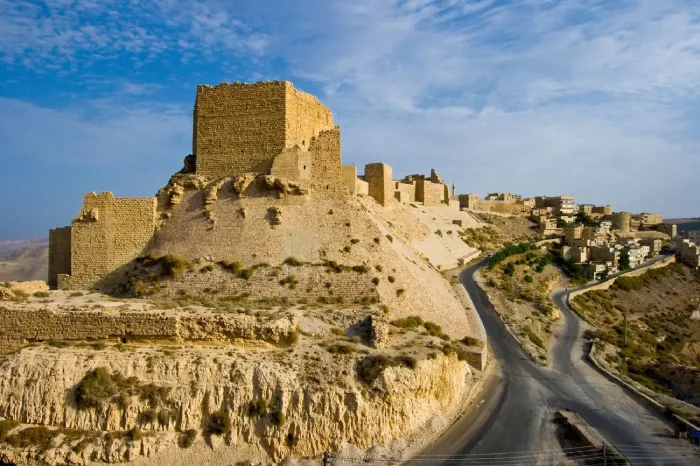
Dana Reserve
Dana Biosphere Reserve is Jordan’s largest nature reserve, known for its diverse landscapes, rare wildlife, and stunning views along the Great Rift Valley. A top destination for eco-tourism and nature lovers.
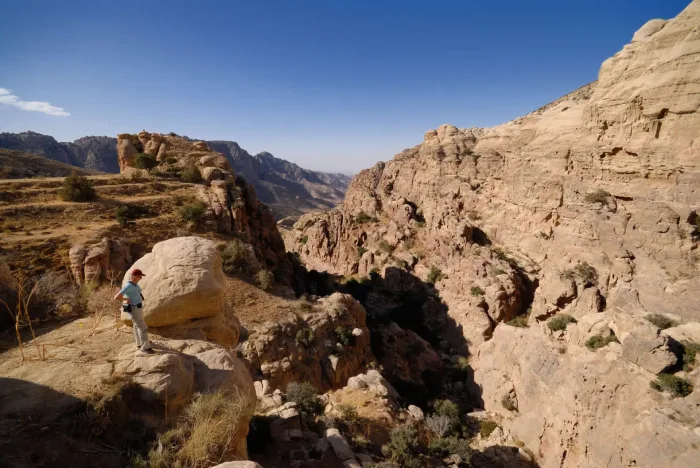
Shoubak
Shoubak Castle in southern Jordan is a historic Crusader fortress built in 1115. Perched atop a dramatic hill, it offers stunning views and rich history, including sieges by Saladin and later Mamluk additions.
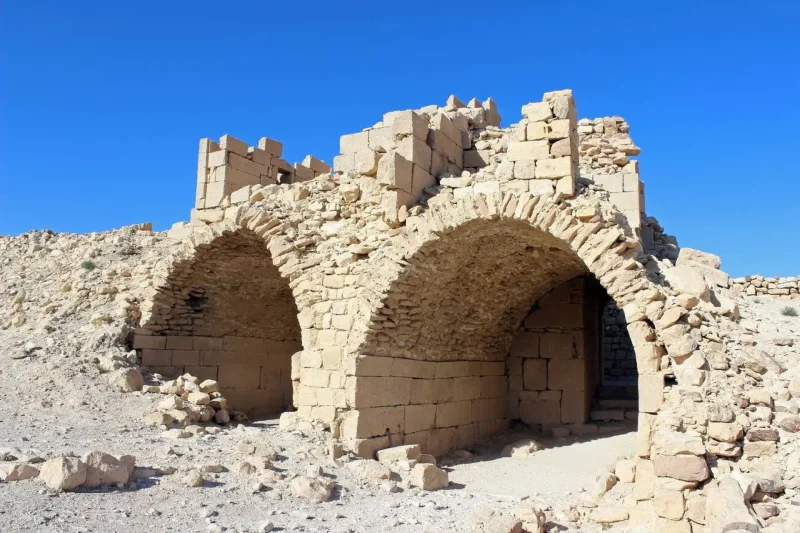
Ecotourism in Jordan

Ecotourism
Ecotourism in Jordan is an important part of the country’s sustainable tourism efforts. Jordan offers unique eco-friendly destinations that combine nature, adventure, and cultural heritage.
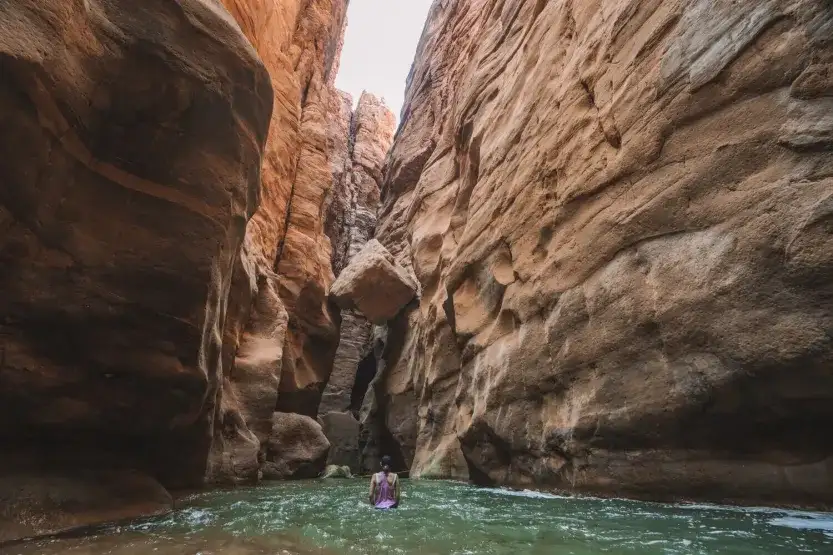
Top ecotourism sites include the Dana Biosphere Reserve, known for its rich biodiversity and hiking trails, the Ajloun Forest Reserve with its green landscapes and wildlife, and the Mujib Biosphere Reserve, famous for canyoning and waterfalls.
Other destinations such as the Azraq Wetland Reserve and Shaumari Wildlife Reserve highlight Jordan’s commitment to wildlife conservation and responsible tourism.
Jordan’s diverse ecotourism experiences make it an ideal destination for travelers seeking sustainable and environmentally conscious travel.



Jordan Museums
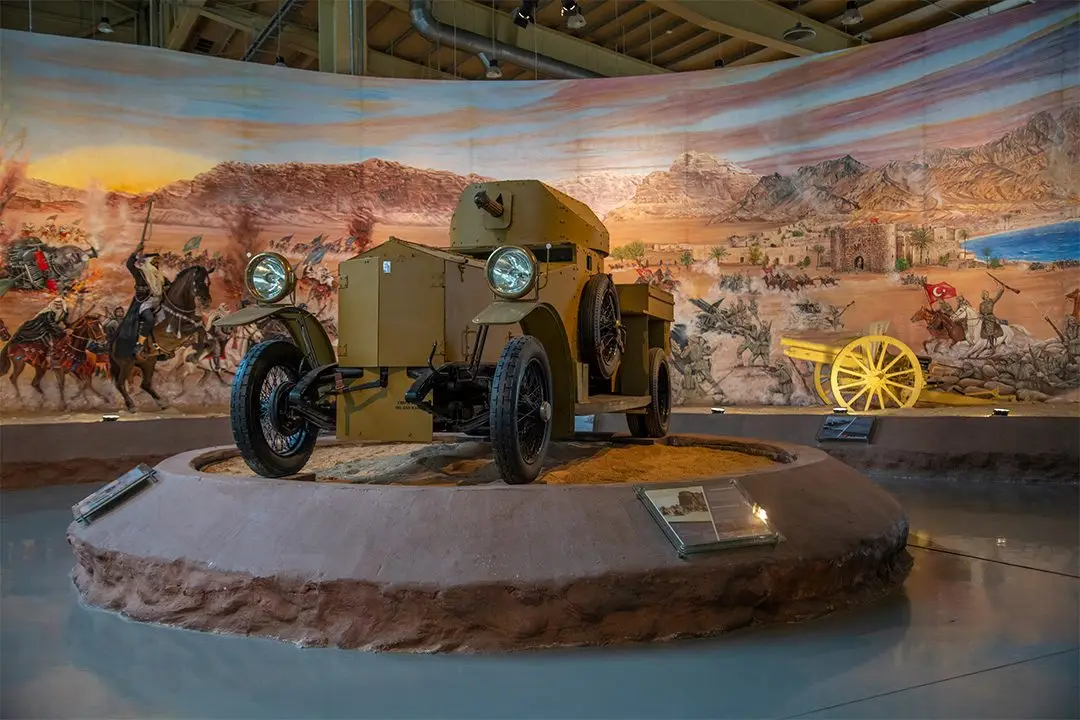
Jordan’s museums provide a glimpse into the country’s past and present. The Jordan Museum and Petra Museum showcase ancient artifacts, while the Royal Automobile Museum displays vintage cars. The Madaba Archaeological Museum houses mosaics from the Byzantine and Umayyad periods, and Darat al Funun showcases contemporary art. The Aqaba Archaeological Museum explores the region’s seafaring and trade history. From history buffs to art enthusiasts, there’s something for everyone in Jordan’s museums.
The Royal Automobile Museum is the first public museum dedicated to automobiles in the Arab region.
Tuesday: Closed
Entry fee: 5 USD per person

In 2007, the public gained access to Jordan’s inaugural interactive children’s museum.
Tuesday: Closed
Entry fee: 5 USD per person

Situated on the western side of the Roman Theater in Amman, the museum was founded by the Department of Antiquities on November 15th, 1975. Its purpose is to gather, safeguard, study, and document the traditional heritage of Jordan.
Entry fee: Included to Roman Theater ticket
Established in 1974, the Jordanian Museum of Traditional Costumes and Jewelry is located on the eastern side of the Roman Theater in ʻAmman.n.
Entry fee: 4 USD per person

The Jordan National Gallery of Fine Arts, established in 1980 by the Royal Society of Fine Arts, is the preeminent art museum in the region.
Friday: Closed
Entry fee: 10 USD per person

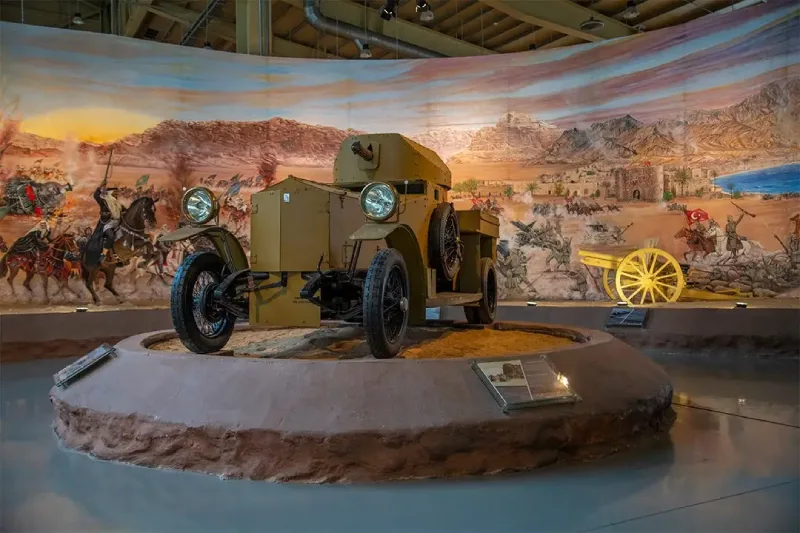
On the orders of King Abdullah, the Royal Tank Museum was founded in 2007 and is situated adjacent to the King Abdullah II Park in Al-Mugableen.
Tuesday: Closed
Entry fee: 7 USD per person
Recognizing the importance of showcasing the coins that were in circulation throughout Jordan’s history, the Central Bank of Jordan has established a coinage and numismatics museum.
Friday& Saturday: Closed
Entry fee: Free of Charge.

The Royal Automobile Museum is the first public museum dedicated to automobiles in the Arab region.
Tuesday: Closed
Entry fee: 5 USD per person

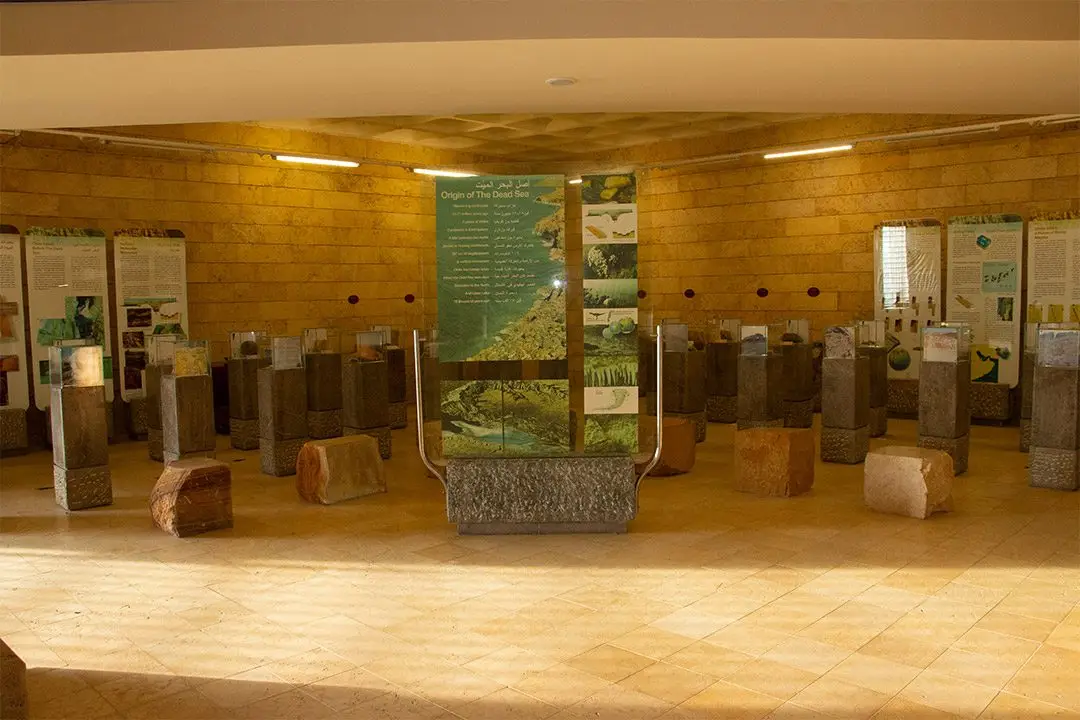
Positioned on a hill that affords breathtaking views of the Dead Sea, as well as the holy and revered sites in Al-Maghtas and Palestine, the Dead Sea Panorama Museum is adjacent to the Ma’in therapeutic resorts.
Entry fee: 3 USD per person.
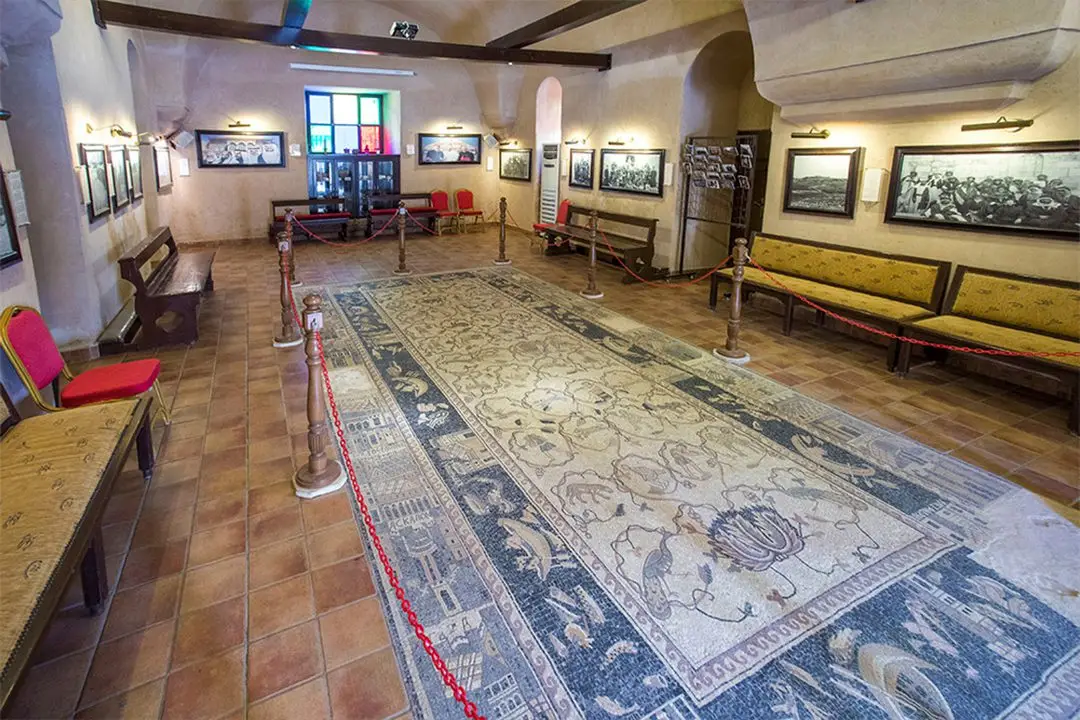
The Madaba Archaeological Museum was founded in 1979, in a complex of ancient houses where numerous mosaic floors were uncovered.
Entry fee: 5 USD per person
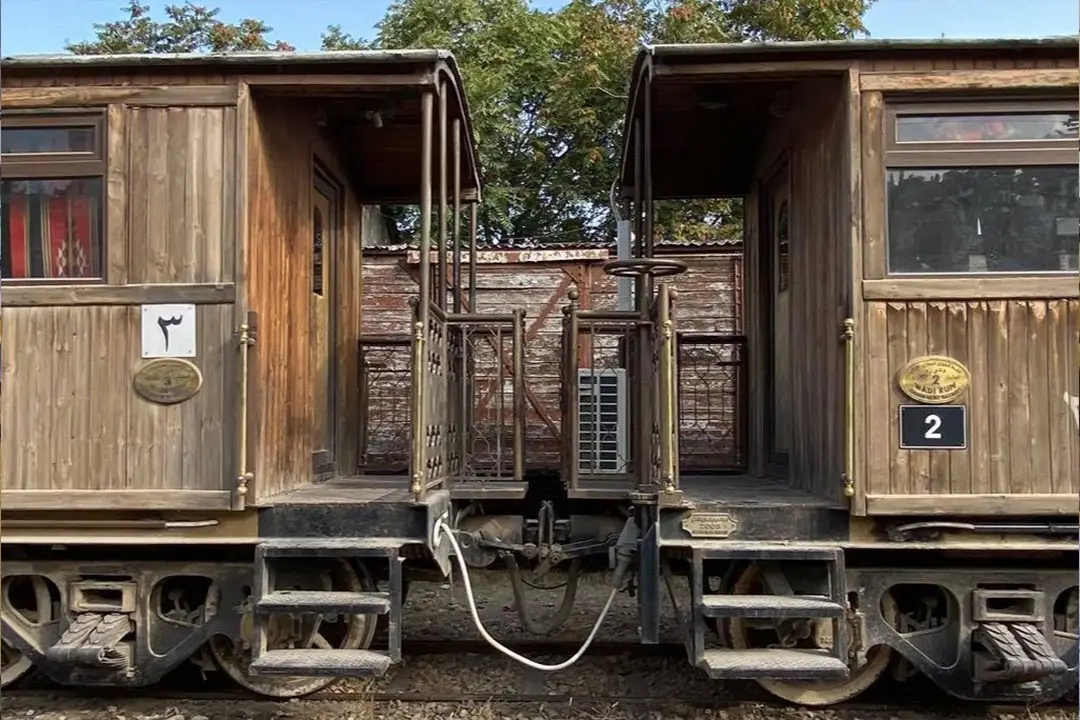
The Hijazi Railway Museum is dedicated to the narrow railway that connected Damascus and Medina.
Friday & Saturday: Closed
Entry fee: Free of charge
Situated in the Acropolis of the ancient city of Gadara, the Umm Qays Archaeological Museum is located within the archaeological site itself. The building that houses the museum was constructed in 1860 and is owned by the Al Rosan Family.
Entry fee: 5 USD per person

Is housed within the Ottoman Citadel of Ma’an, which was constructed between 1559-1563 during the reign of Sultan Suleiman the Magnificent. The citadel was built with the purpose of safeguarding the passage of pilgrims’ convoys traveling through Ma’an from the Levant to the Hijaz. Today, it has been repurposed as a museum.
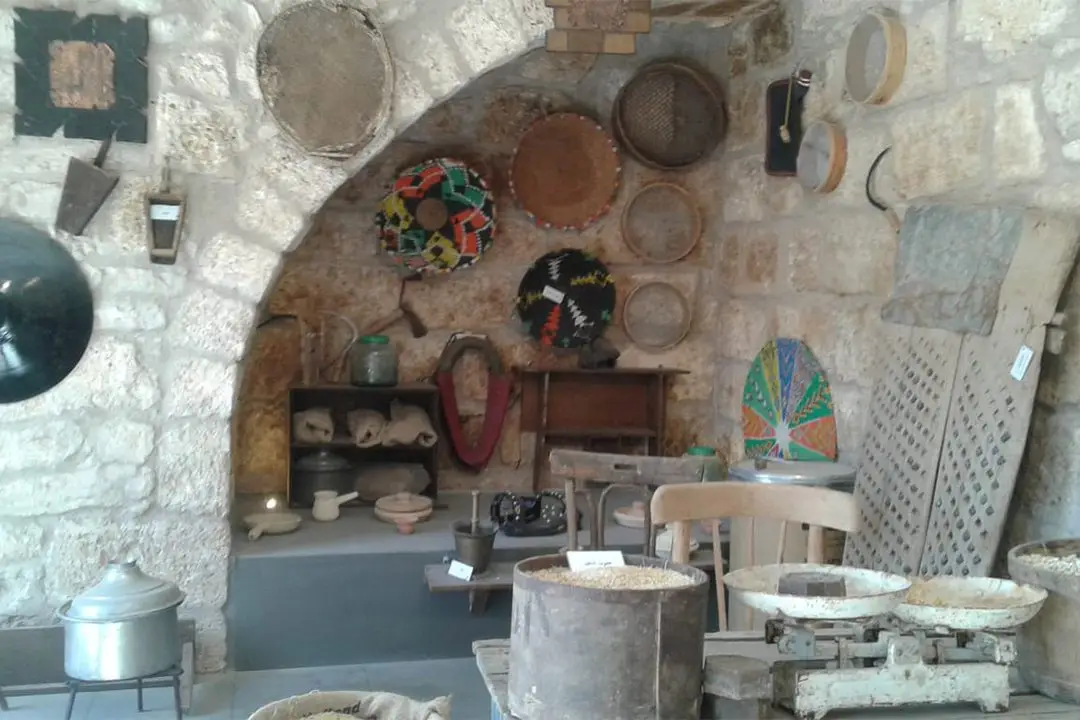
The Jordan Archaeological Museum was founded in 1952 with the aim of showcasing Jordanian civilization’s story through an extensive collection of archaeological and historical artifacts.
Entry fee: Included to citadel Ticket

The ʻAjlūn Archeological Museum was founded in 2003 and is situated within ʻAjlūn Castle. It comprises two interconnected halls that contain display cabinets showcasing artifacts from various historical periods.
Entry fee: 3 USD per person
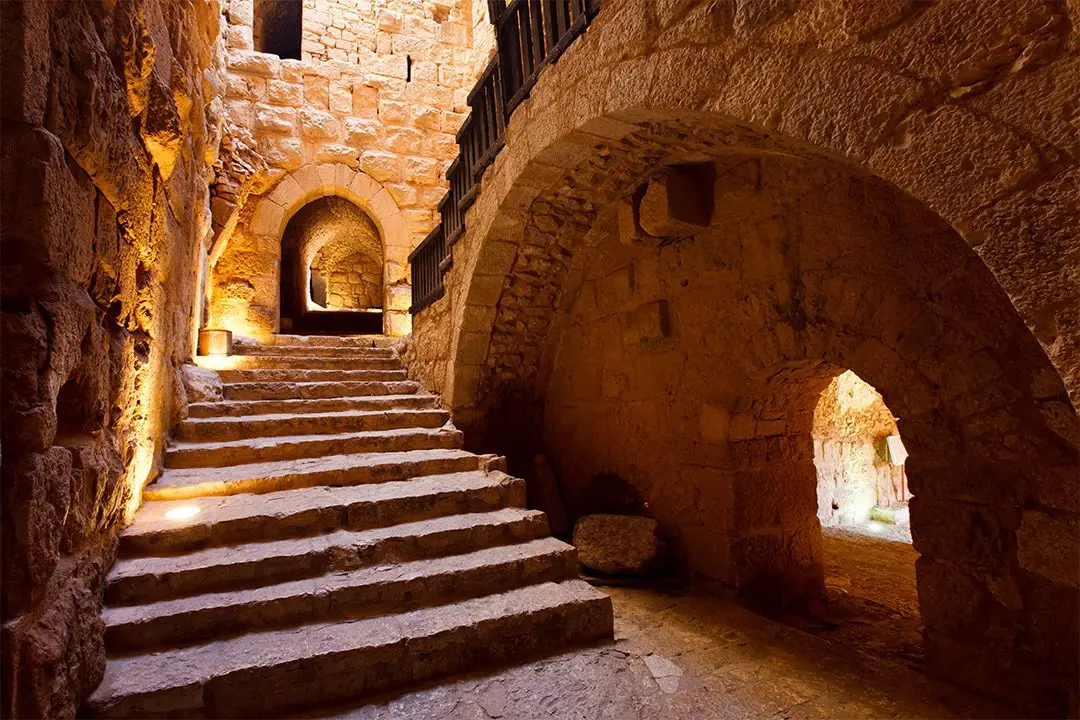
Established in 1985, the Jarash Archaeological Museum showcases a wide array of artifacts from various historical periods that the region has traversed, ranging from the Paleolithic Age to the Late Islamic Age.
Entry fee: Included to the entrance ticket
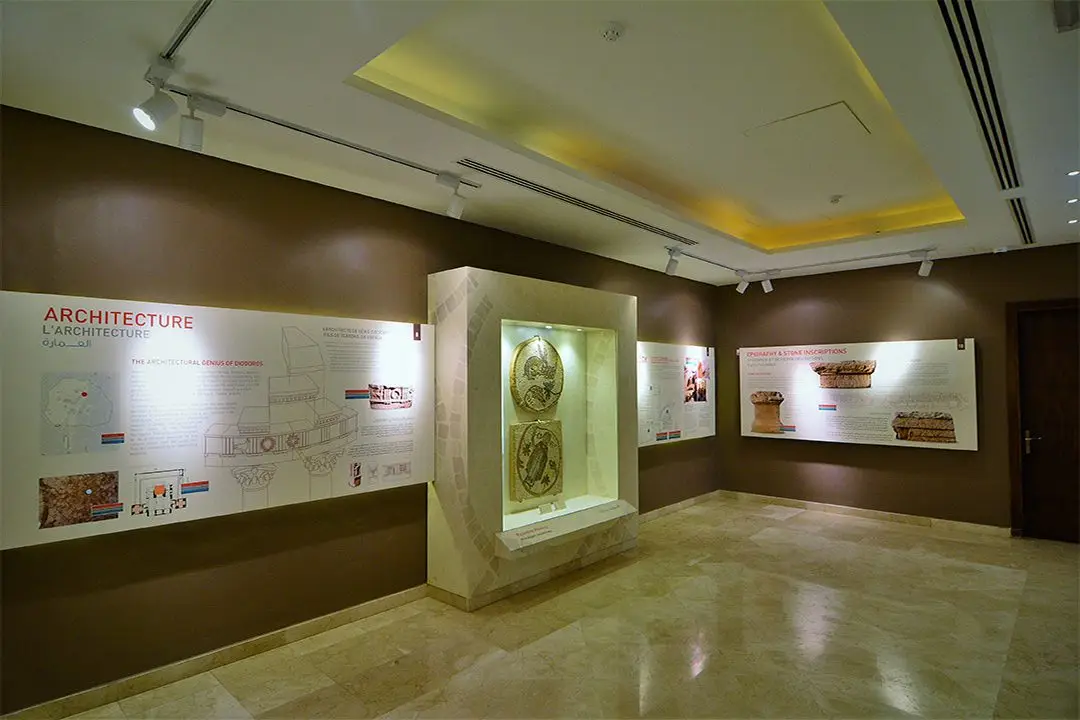
Opened in 2019, the Al Karak Archaeology Museum is housed in a historic Ottoman-era building located in the old As Saraya area, facing the Castle.
Entry fee: 3 USD per person
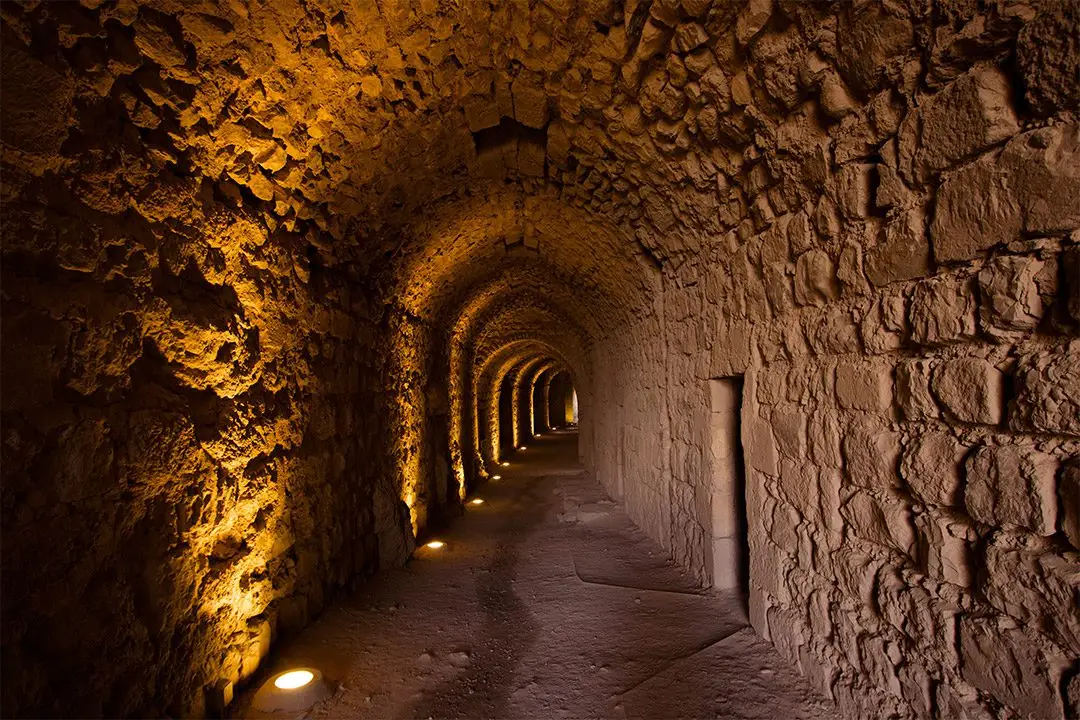
The Al-Salt Historical Museum, also known as the Abu Jaber House, is a heritage building situated in the heart of Al-Salt city. The house dates back to the late nineteenth century.
Entry fee: 2 USD per person
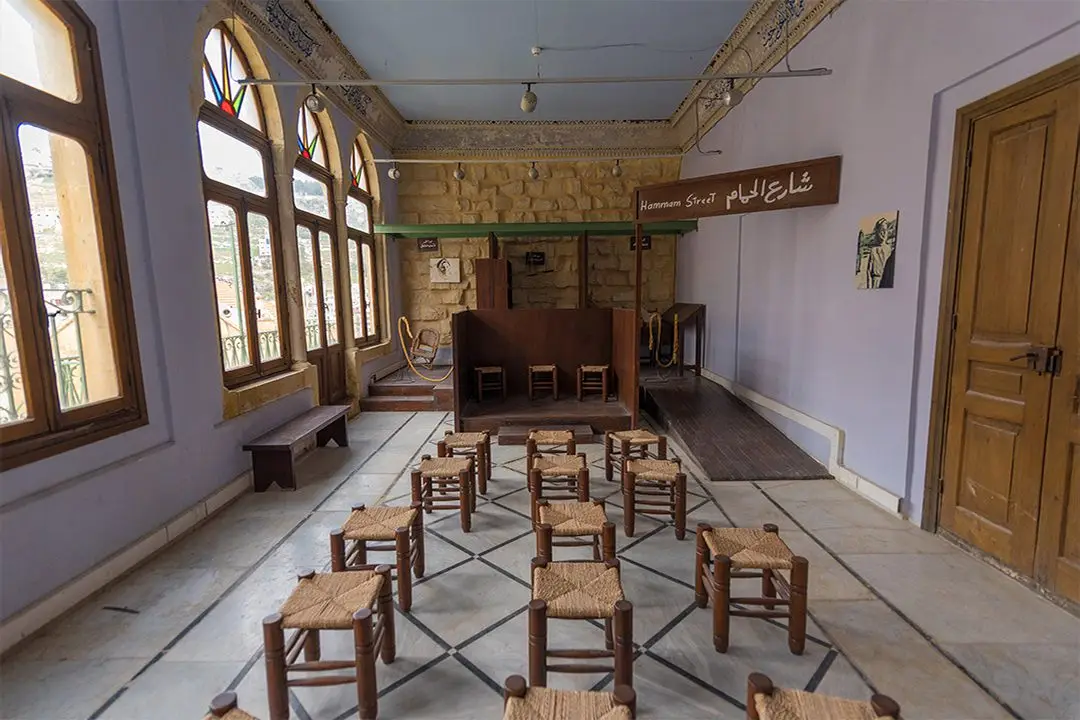
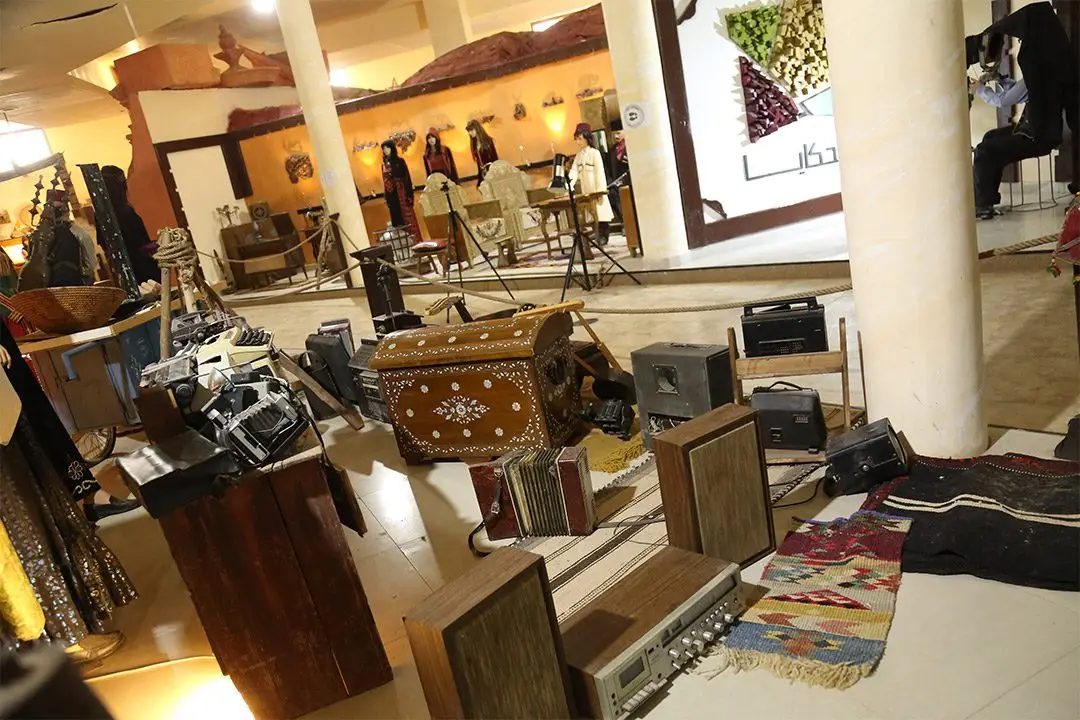
The objective of the museum is to foster the concept of harmony among different religions. Al Hakaya is a culture center that provides an immersive experience for individuals to embark on a thrilling voyage through the past.
Entry fee: 5 USD per person