The Shrine of Prophet Shoaib (Jethro) is one of the most significant religious and historical landmarks in Jordan, attracting both pilgrims and cultural travelers interested in the deep spiritual heritage of the region. Located in the western highlands near the city of Salt, this sacred site is traditionally believed to be the burial place of Prophet Shoaib, known in biblical traditions as Jethro, the father-in-law of Prophet Moses.
Understanding the importance of the Shrine of Prophet Shoaib (Jethro) requires exploring not only its religious meaning but also its cultural and historical context within Jordanian heritage and the broader narrative of the Abrahamic religions.
Historical and Religious Significance
The Prophet Shoaib is mentioned in Islamic tradition as a messenger sent to the people of Midian, calling them to honesty, justice, and ethical trade practices. In biblical texts, Jethro is recognized as a Midianite priest and the wise father-in-law of Moses, who played a key role in advising Moses on leadership and governance.
This dual recognition in both Islamic and Judeo-Christian traditions makes the shrine a unique religious tourism in Jordan destination, symbolizing shared heritage across different faiths.
The site has long been considered a place of spiritual reflection, and many visitors come here not only for pilgrimage but also to connect with ancient history and the moral teachings associated with Prophet Shoaib.
Location and Setting
The shrine is located in the region of Wadi Shuayb, west of Amman and near the city of Salt. The surrounding landscape is characterized by rolling hills, olive groves, and a peaceful rural environment, making it one of the most serene pilgrimage sites in Jordan.
Its elevated position offers panoramic views of the Jordan Valley, creating a calm and reflective atmosphere for visitors. This geographical setting enhances its spiritual importance, as many pilgrims describe the location as deeply peaceful and contemplative.
Architecture and Site Structure
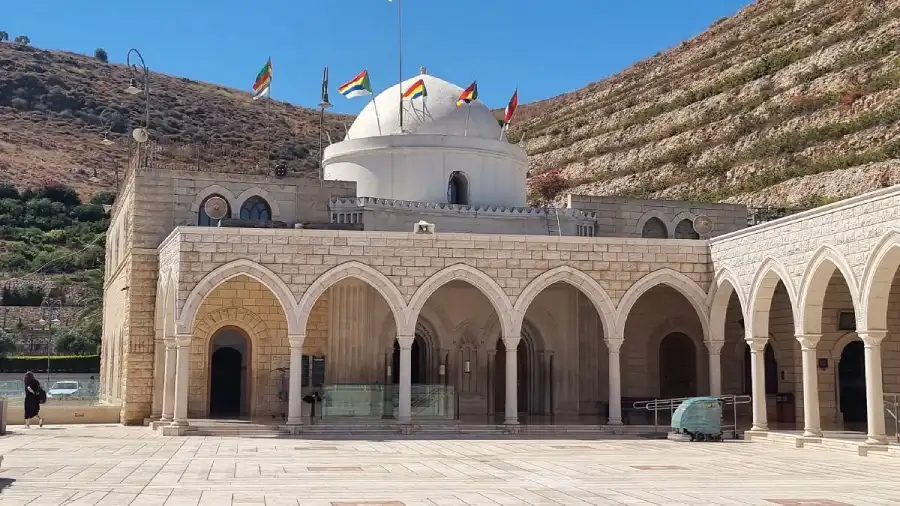
The architectural structure of the shrine reflects traditional Islamic design, with a simple yet respectful aesthetic that emphasizes spirituality over decoration. The complex includes:
- A prayer hall
- A tomb chamber (believed to contain the resting place of Prophet Shoaib)
- A courtyard for visitors
- Facilities for pilgrims
The design of the site highlights its role as a sacred space rather than a tourist attraction, reinforcing its importance within religious heritage Jordan.
Visitor Experience
Visiting the Shrine of Prophet Shoaib (Jethro) offers a unique combination of spiritual reflection and cultural exploration. The atmosphere is calm and respectful, and visitors are encouraged to observe local customs and dress modestly.
The site is often included in broader Jordan religious tourism itineraries, especially for travelers exploring biblical and Islamic heritage routes that include Mount Nebo, Madaba, and the Jordan Valley.
Unlike more commercial tourist destinations, this shrine offers a more authentic and quiet experience, making it ideal for travelers seeking meaningful cultural connection.
Best Time to Visit
The best time to visit the shrine is during spring and autumn, when the weather in Jordan is mild and comfortable for outdoor exploration. These seasons are also ideal for combining the visit with other nearby historical sites.
Summer can be hot, especially in the Jordan Valley, while winter may bring cooler temperatures but still remains accessible for pilgrims and tourists.
How to Include It in a Jordan Itinerary
The shrine is often part of larger cultural routes in Jordan. Travelers interested in biblical sites in Jordan or Islamic heritage tours often combine it with:
- Mount Nebo (viewpoint of the Holy Land)
- Madaba mosaic churches
- Dead Sea experience
- Ajloun Castle
- Amman historical city tour
This makes the shrine an important stop in spiritual and cultural travel routes across Jordan.
Cultural and Spiritual Importance
The Shrine of Prophet Shoaib (Jethro) is not only a historical site but also a symbol of shared religious values between Islam, Christianity, and Judaism. The teachings of Prophet Shoaib emphasize justice, honesty, and moral responsibility—principles that remain relevant today.
This universal message is one of the reasons why the site continues to attract visitors from different backgrounds, making it a key element of Middle Eastern sacred sites tourism.
FAQ – Shrine of Prophet Shoaib (Jethro)
Where is the Shrine of Prophet Shoaib located?
It is located in Wadi Shuayb, west of Amman, Jordan.
Who was Prophet Shoaib (Jethro)?
He is a prophet in Islam and identified as Jethro, the father-in-law of Moses in biblical tradition.
Is the shrine open to visitors?
Yes, it is open to both pilgrims and tourists.
What is the best time to visit?
Spring and autumn offer the most comfortable weather conditions.
Why is the shrine important?
It represents shared heritage between Islamic and biblical traditions.
Conclusion
The Shrine of Prophet Shoaib (Jethro) stands as one of the most meaningful spiritual landmarks in Jordan, offering a unique connection between history, faith, and cultural heritage. Visiting this sacred site allows travelers to explore not only a physical location but also a shared narrative that spans across multiple religious traditions.
For those interested in religious tourism in Jordan, this shrine represents an essential stop that combines historical depth, spiritual reflection, and cultural discovery.