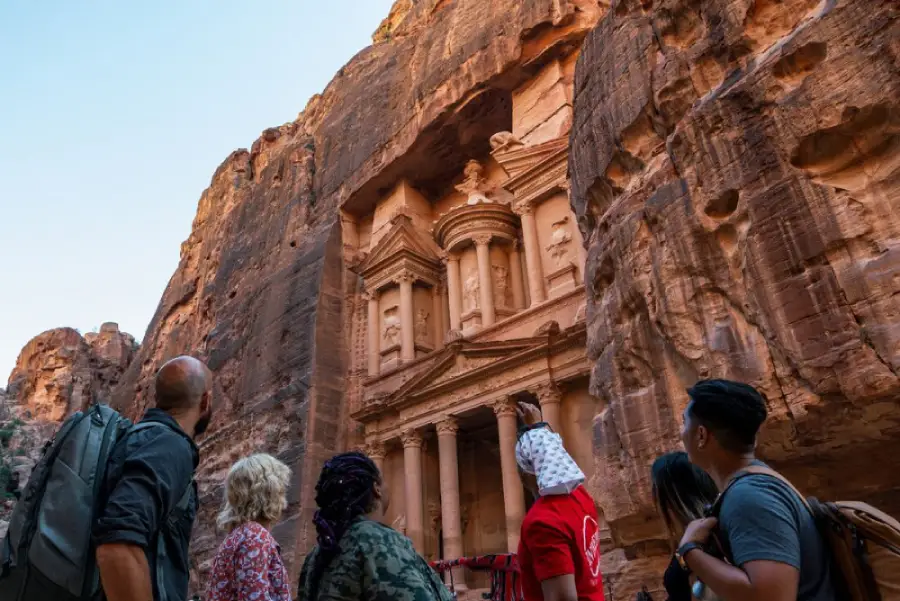
Stepping into Jordan is like walking into a warm embrace. From the aromatic steam of a cardamom-spiced coffee to the ancient echoes of Petra’s sandstone walls, the kingdom is defined by its soul-stirring hospitality. However, to truly connect with this majestic land, one must understand the silent language of its customs. Navigating the cultural landscape is the difference between being a mere observer and being an honored guest.
To travel Jordan successfully, you should prioritize modesty in dress, embrace the generous hospitality culture, and respect religious traditions—especially during prayer times. Conversely, you should avoid public displays of affection, refrain from discussing sensitive political topics, and never refuse the first offer of tea without a polite gesture.
Why Understanding Jordanian Culture Matters
Jordan is a modern country with deep-rooted traditional values. While cities like Amman are cosmopolitan, the societal fabric is woven with honor and mutual respect. Understanding the local “Dos and Don’ts” isn’t just about avoiding awkwardness; it’s about cultural intelligence. It opens doors to authentic experiences that a standard guidebook might miss.
Is Jordan Safe for Tourists?
Statistically, Jordan remains one of the safest destinations in the Middle East. According to the Global Peace Index, it consistently ranks high for its stability and welcoming environment for solo and female travelers. From our experience at Flow Travel, we find that the “danger” most tourists face isn’t crime, but rather over-extending themselves in the desert heat without proper preparation.
Social Etiquette & Local Customs
“Navigating the social fabric of Jordan is an art of mutual respect and quiet observation. At Flow Travel, we believe that true discovery happens when you look beyond the monuments and engage with the people. Jordanian etiquette is rooted in ancient tribal codes of honor, where every gesture—from the way you hold your coffee cup to the distance you keep while talking—carries meaning. It is a society that profoundly values dignity and personal respect.
By embracing these local nuances, you don’t just observe the culture; you become part of the legendary warmth that has made the Kingdom a sanctuary for travelers for millennia. Experiences like those found in the Jordan Highlights Tour bring you closer to these authentic cultural moments. Remember, in Jordan, you aren’t just a visitor; you are a personal guest of every local you encounter.”
Public Behavior and PDA Rules
Jordanians are generally conservative regarding romance in public. While holding hands is mostly acceptable for married couples, heavy public displays of affection (PDA) like kissing are considered disrespectful and may draw unwanted attention.
Hospitality Culture in Jordan
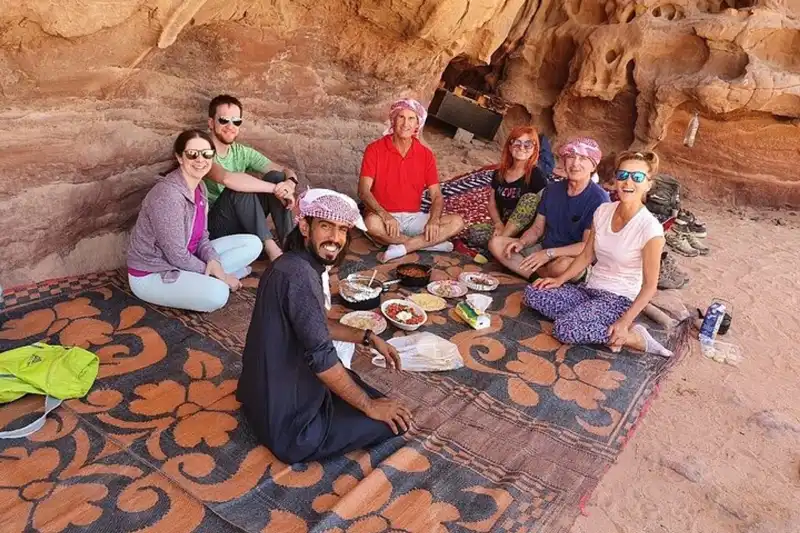
Expect to be invited for tea constantly. Do accept the first cup—it is a symbol of welcome and respect. When you’ve had enough, gently jiggle your small cup from side to side to signal you are finished; otherwise, your host will keep refilling it.
Moments like these are at the heart of authentic travel experiences, especially when exploring the country through thoughtfully designed journeys such as the Jordan Exploration Tour.
Friday Etiquette & Prayer Time Awareness
Friday is the holy day. Most shops close in the morning for the noon prayer. Do plan your logistics accordingly. The atmosphere is quiet until the afternoon when families gather in parks and restaurants.
Religion & Cultural Sensitivity
Faith is the quiet pulse that beats through every corner of Jordan, from the ethereal call to prayer in Amman to the ancient Christian mosaics of Madaba. At Flow Travel, we guide our guests to approach this spiritual landscape with an open heart and a respectful mind. Understanding that religion is deeply woven into the daily lives of Jordanians allows you to appreciate the country’s profound serenity.
Whether you are stepping into a sacred mosque or exploring a biblical site, your sensitivity to local traditions—like observing the quiet of the Sabbath or dressing with dignity—creates a bridge of trust between you and your hosts. It is through this lens of respect that the most authentic spiritual connections are made, often shaping the kind of meaningful journeys found in our Best of Jordan Tour, where culture and spirituality come together seamlessly.
Visiting Mosques in Jordan: Rules to Follow
When visiting sites like the King Abdullah I Mosque in Amman, modesty is mandatory. Women must cover their hair, arms, and legs (most mosques provide an Abaya at the entrance). Remove your shoes before entering the prayer hall and maintain a quiet, respectful demeanor.
Traveling to Jordan During Ramadan
During the holy month of Ramadan, Muslims fast from dawn to sunset. Don’t eat, drink, or smoke in public during daylight hours out of respect. Many restaurants remain closed until Iftar (the breaking of the fast), though most hotels still serve guests privately.
Photography Do’s and Don’ts
Capturing the golden light of the desert or the intricate details of Roman ruins is a highlight of any trip, but in Jordan, your lens should always be guided by ethics. At Flow Travel, we encourage our travelers to view photography as a dialogue rather than just a capture. While the landscapes are yours to frame, the people of Jordan are the guardians of their own stories; a simple nod or asking for permission is a vital courtesy that often leads to a more genuine smile. From the strict regulations regarding drone usage at archaeological sites to the silent ‘no-photo’ zones in sensitive areas, understanding these boundaries ensures that your memories are recorded with honor. By respecting the ‘unseen’ rules of photography, you bring home images that aren’t just beautiful, but are also symbols of mutual respect.
Can You Take Photos of Locals?
Jordanians are often happy to be photographed, but always ask for permission first, especially when photographing women or the elderly. A simple smile and a point to your camera usually suffice.
Photography at Archaeological Sites & Drone Rules
While photography at Petra or Wadi Rum is encouraged, Don’t use drones without a permit. Jordan has extremely strict drone regulations, and unauthorized equipment is often confiscated at the airport.
Cultural Tips for First-Time Visitors
- Do learn basic Arabic phrases: “Shukran” (Thank you) and “Salam” (Hello) go a long way.
- Do dress modestly: Covering shoulders and knees is recommended for both genders outside of resort areas.
- Do carry cash: While Amman is tech-friendly, Bedouin camps and small stalls in Petra prefer Jordanian Dinars.
A Land of Eternal Welcome
Jordan stands as a beacon of warmth in the Middle East because of its people. By following these simple cultural cues, you transition from a tourist to a friend of the Kingdom.
Ready to explore the wonders of Petra and Wadi Rum with confidence? today to book your guided Jordan experience and let us handle the details while you enjoy the journey.