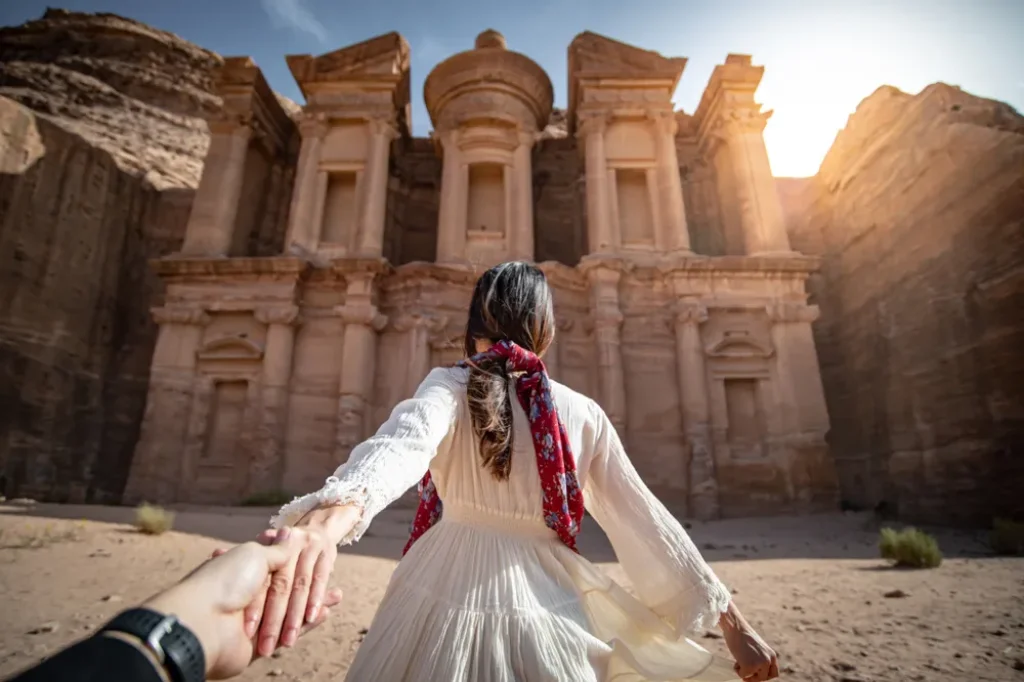
The air in Amman has a specific scent—a heady mix of roasting coffee, warm za’atar, and the dry, ancient dust of white limestone. As the sun dips behind one of the city’s 19 hills, the “Adhan” (call to prayer) begins to echo from a hundred minarets simultaneously, creating a haunting, beautiful wall of sound that reminds you exactly where you are: the crossroads of the Middle East.
Amman is often treated as a mere pitstop on the way to Petra or Wadi Rum, but those who linger discover a city that gracefully balances 2nd-century Roman ruins with a thriving, modern art and culinary scene. This guide provides a curated 10-point exploration for the traveler seeking history, culture, and a true taste of Jordanian hospitality.
Amman – 10 attractions in Jordan’s bustling capital
The architectural and cultural landscape of Amman is a “layered” experience, where 2nd-century Roman ruins sit directly above bustling 21st-century markets. Spanning 19 hills, the city—formerly known as Philadelphia—offers a mix of ancient grit and modern refinement.
Here are 10 essential attractions for a travel article on Jordan’s capital:-
1. The Amman Citadel (Jabal al-Qala’a)
Perched on the city’s highest hill, the Citadel is the historic heart of Amman. It features the massive columns of the Temple of Hercules and the blue-domed Umayyad Palace.
For a deeper cultural experience, you can explore our Jordan timeless wonders tour
- Pro Tip: Visit at sunset to hear the “Adhan” (call to prayer) echo from hundreds of mosques across the valley below.
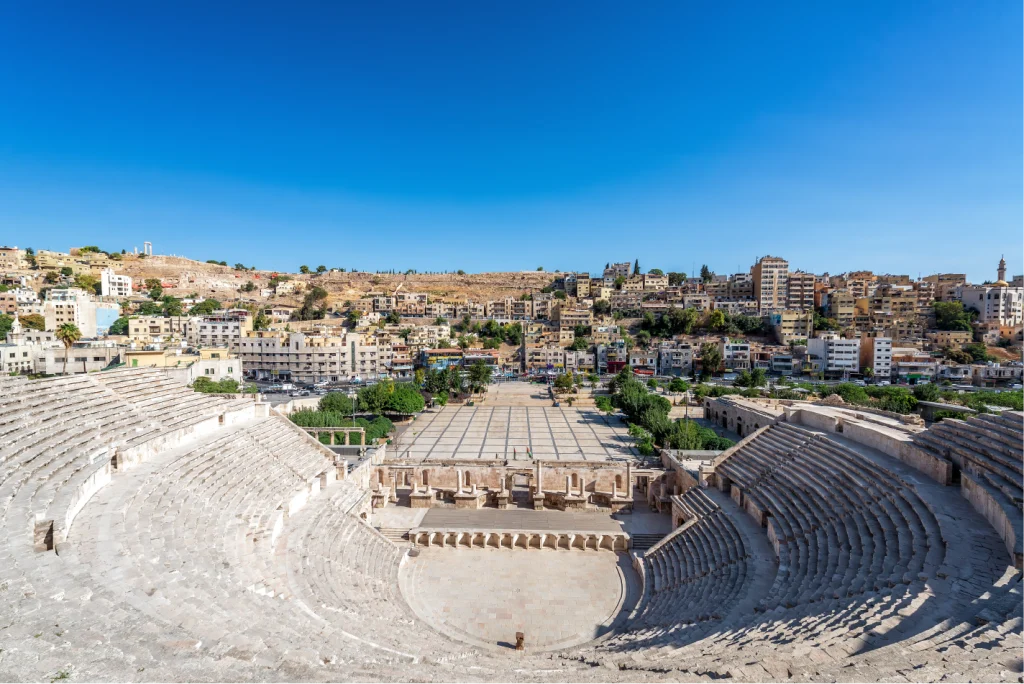
2. The Roman Theatre
Cut directly into the side of a cliff, this 6,000-seat amphitheater dates back to the 2nd century. It is remarkably well-preserved and still hosts concerts today.
You can discover more through our Jordan cultural and historical journey
- The “Whisper” Test: Stand in the center of the stage and speak at a normal volume; the acoustics are designed to carry your voice to the very top row.
3. Rainbow Street
Located in the historic district of Jabal Amman, this is the city’s most famous walkable thoroughfare. It is lined with colorful umbrellas, rooftop cafes, art galleries, and tea shops.
- Must-Stop: Grab a simple, legendary falafel sandwich at Al-Quds, one of the oldest shops on the street.
4. The Jordan Museum
This is the country’s flagship museum, housing its most significant national treasures. The highlight for many is the collection of ‘Ain Ghazal statues, which are among the oldest human-form statues ever discovered (dating back to 7500 BC).
To explore more, check our Jordan highlights tour experience
5. Al-Balad (Downtown Markets)
To feel the “real” Amman, head to the downtown souks. This is a sensory overload of spice sacks, gold jewelry, and fresh produce.
- Culinary Icon: Visit Hashem Restaurant, an open-air institution where the Royal Family and locals alike eat hummus and fava beans on plastic tablecloths.
6. King Abdullah I Mosque
Easily recognizable by its magnificent blue mosaic dome, this mosque can hold 10,000 worshippers. It is one of the few mosques in Amman that openly welcomes non-Muslim visitors.
7. Royal Automobile Museum
A surprising highlight even for non-car enthusiasts, this museum displays the late King Hussein’s personal collection of rare cars and motorbikes. It also features vehicles used in famous films shot in Jordan, like The Martian and Indiana Jones.
8. Jabal al-Weibdeh
This is Amman’s “hipster” neighborhood—the artistic and bohemian soul of the city. It’s home to Darat al Funun, a contemporary art space housed in restored 1920s villas surrounded by archaeological ruins.
9. The Abdali Boulevard
For a glimpse of “Modern Amman,” visit this sleek, pedestrianized spine of the new downtown. It features high-end international brands, luxury hotels, and a futuristic skyline that contrasts sharply with the stone houses of the old city.
10. Habibah Sweets
While technically a shop rather than a monument, a visit to the Habibah stall in a narrow alleyway downtown is a rite of passage.
- The Dish: Order Kunafa—a warm, syrup-soaked cheese pastry topped with pistachios. Joining the long queue of locals waiting for a hot plate is the ultimate Amman experience.
Practicalities
- Best Time to Visit: Spring (March–May) and Autumn (September–November) offer the best balance. In April, the hills are surprisingly green and covered in wildflowers.
- Local Etiquette:
- Dress: Amman is cosmopolitan, but modesty is respected. Shoulders and knees should be covered, especially when visiting the King Abdullah I Mosque.
- Tipping: 10% is standard in restaurants. Rounding up the fare for your driver is a kind gesture.
Sample 48-Hour Itinerary
- Day 1: Start at the Citadel for the views, walk down the stairs to the Roman Theatre, and end with a feast at Hashem Restaurant (the hummus is legendary).
- Day 2: Spend the morning at The Jordan Museum to see the Dead Sea Scrolls, then spend a leisurely afternoon gallery-hopping in Jabal al-Weibdeh.

Scannable Summary for Travelers
| Attraction | Category | Best For |
| Citadel | History / Views | Panoramic photography & Roman ruins. |
| Rainbow St | Lifestyle | Cafes, souvenir shopping, and evening walks. |
| The Jordan Museum | Culture | Seeing the Dead Sea Scrolls and ancient statues. |
| Hashem Rest. | Food | The most authentic (and affordable) meal in town. |
Amman is not just a gateway; it is a destination in its own right. It is a city that demands you slow down, drink another cup of mint tea, and listen to the stories etched into its stones.
Ready to explore the heart of Jordan?