The Dead Sea History is one of the most fascinating stories in the natural and cultural world. Located between Jordan and the surrounding Levant region, the Dead Sea is not just a geographical wonder but also a historical treasure that has shaped human civilization for thousands of years.
Known as the lowest point on Earth, the Dead Sea has always been a place of mystery, trade, religion, and scientific curiosity. Its story combines geology, ancient empires, and biblical references, making it one of the most unique destinations in the world.
The Geological Origins of the Dead Sea
The Dead Sea was formed millions of years ago due to tectonic activity along the Great Rift Valley. This geological movement created a deep depression that gradually filled with water from the Jordan River and surrounding streams.
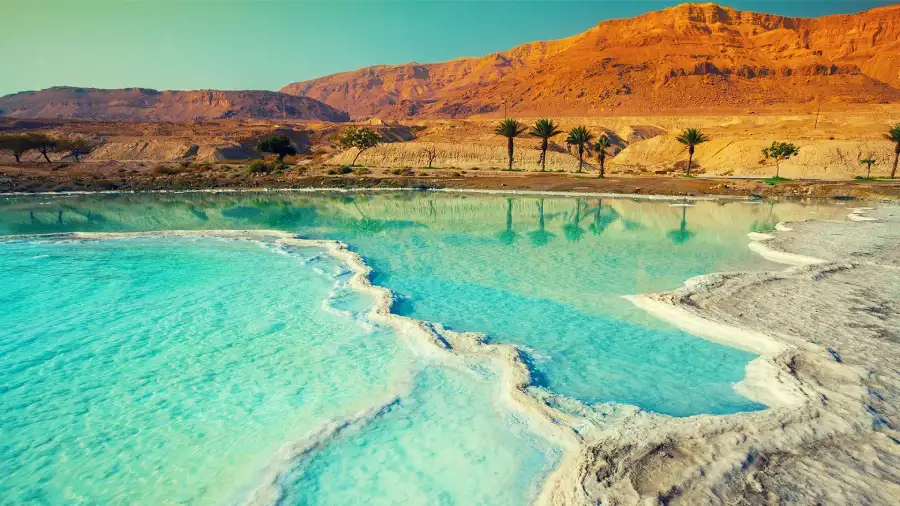
Over time, the lack of an outlet caused extreme evaporation, leading to the accumulation of salt and minerals. This is why the Dead Sea is one of the saltiest bodies of water on Earth, making it impossible for fish and aquatic plants to survive.
This unique environment also created natural deposits of minerals such as magnesium, calcium, and potassium, which later became valuable resources for ancient and modern civilizations alike.
The Dead Sea in Ancient Civilizations
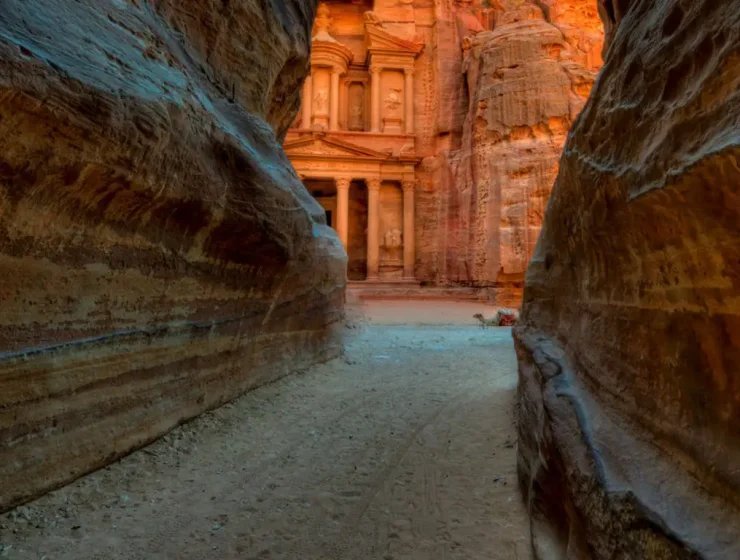
Throughout Dead Sea History, the region has been inhabited and used by many ancient civilizations, including the Egyptians, Nabataeans, and Romans. Each of these cultures recognized the strategic and economic value of the area.
The natural resources of the Dead Sea, especially bitumen and salts, were widely used in trade, medicine, and even embalming practices in ancient Egypt. Caravans traveling through the region connected major trade routes across the Middle East, making it a significant commercial hub.
The surrounding region also became a center of early human settlement due to its unique natural environment and access to water sources like the Jordan River.
Biblical Significance and the Dead Sea Scrolls
One of the most important aspects of Dead Sea History is its deep connection to religious texts and biblical archaeology. The region is frequently mentioned in ancient scriptures, adding a spiritual dimension to its historical importance.
In the mid-20th century, the discovery of the Dead Sea Scrolls near Qumran revolutionized biblical studies. These ancient manuscripts provided some of the oldest known versions of Hebrew texts, offering incredible insight into early religious beliefs and traditions.
This discovery made the Dead Sea area one of the most important archaeological sites in the world.
A Unique Natural Wonder with Historical Value
Although called a “sea,” the Dead Sea is actually a hypersaline lake. Its extreme salt concentration creates a unique floating experience that attracts millions of tourists every year.
Beyond its tourism appeal, the Dead Sea has been historically important for its mineral-rich waters, which were used in ancient medicine and cosmetic treatments. Even today, the region is famous for therapeutic spas and wellness tourism.
This combination of natural wonder and historical depth makes it one of the most remarkable places on Earth.
The Dead Sea in Modern Tourism
Today, the Dead Sea is a major attraction in Jordanian tourism, located close to Amman. It is often included in popular travel itineraries alongside iconic destinations such as Petra and the desert landscapes of Wadi Rum.
Modern tourism focuses on relaxation, wellness, and cultural exploration, making the Dead Sea a must-visit destination for travelers seeking both history and natural beauty.
Why Dead Sea History Still Matters Today
The importance of Dead Sea History goes beyond geology or tourism. It represents a bridge between ancient civilizations and modern scientific discovery.
From its biblical connections to its archaeological treasures and natural uniqueness, the Dead Sea continues to be a subject of global interest. It is a living museum of Earth’s geological evolution and human history combined.
Frequently Asked Questions (FAQ)
Why is the Dead Sea historically important?
Because it has been a center for ancient civilizations, trade routes, and biblical events.
What are the Dead Sea Scrolls?
Ancient manuscripts discovered near the Dead Sea that changed biblical archaeology.
Why is the Dead Sea so salty?
Due to evaporation and lack of water outlets over millions of years.
Is the Dead Sea mentioned in the Bible?
Yes, it appears in several historical and religious references.
Can you visit the Dead Sea today?
Yes, it is one of the top tourist destinations in Jordan.
Conclusion – A Timeless Natural and Historical Wonder
The Dead Sea History is a powerful combination of natural science, ancient civilization, and spiritual significance. It remains one of the most extraordinary places on Earth, attracting historians, scientists, and travelers alike.
Visiting the Dead Sea today is not just a leisure experience—it is a journey through thousands of years of human history and geological transformation.