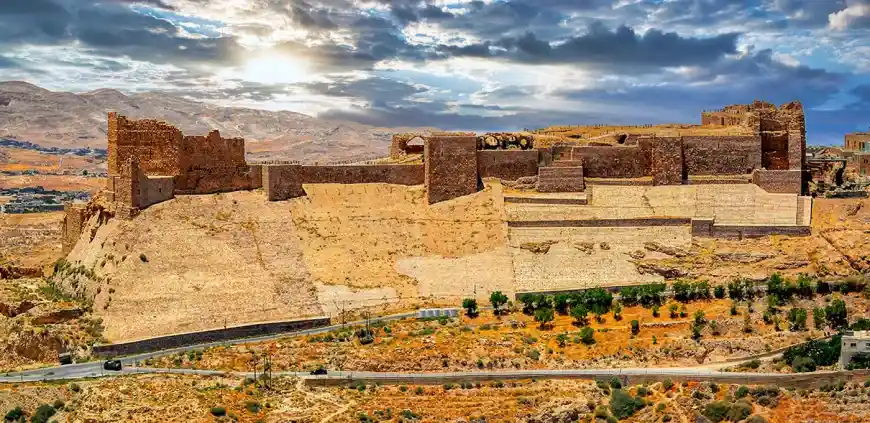
Karak Castle is one of the largest and most impressive Crusader castles in the Middle East. Located in the historic city of Al-Karak, this massive fortress sits atop a hill, offering breathtaking views of the surrounding valleys and desert landscapes.
Built during the Crusader period, Karak Castle played a crucial role in controlling trade routes and military movements across the region.
History of Karak Castle
Karak Castle was constructed in the 12th century during the time of the Crusades. It became a major stronghold for Crusader forces and later a key site during conflicts between Muslim and Crusader armies.
One of the most famous figures associated with the castle is Raynald of Châtillon, known for his aggressive actions that provoked Muslim forces.
The castle was eventually captured by Saladin after a long siege, marking a significant moment in the history of the Crusades.
Architecture and Design
Karak Castle is a masterpiece of medieval military engineering, designed for both defense and endurance.
Key Features:
- Thick stone walls and fortified towers
- Deep moats and defense systems
- Underground tunnels and passageways
- Large halls, kitchens, and storage rooms
The castle’s design reflects its role as a defensive fortress capable of withstanding long sieges.
Strategic Importance
Karak Castle was strategically positioned to control:
- Trade routes between Damascus and Egypt
- Pilgrimage routes to Mecca
- Key military pathways in the region
Its location made it one of the most contested strongholds during the Crusades.
Views and Surroundings
From the top of the castle, visitors can enjoy:
- Panoramic views of valleys and mountains
- The surrounding town of Al-Karak
- Stunning sunsets over the Jordanian landscape
How to Visit Karak Castle
- Located about 140 km south of Amman
- Accessible by car or as part of a guided tour
- Often included in routes to Petra via the King’s Highway
Best Time to Visit
- Spring (March – May): Pleasant weather
- Autumn (September – November): Ideal temperatures
Travel Tips
- Wear comfortable shoes for exploring uneven surfaces
- Bring water and sun protection
- Allocate at least 1–2 hours for exploration
- Consider a guide to understand the historical context