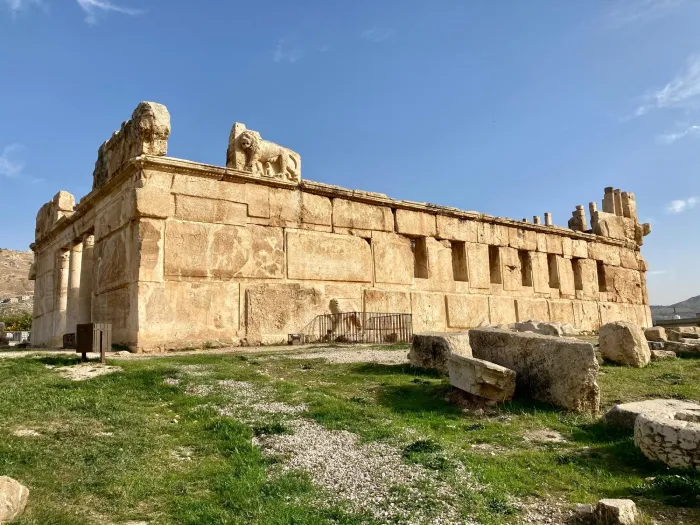
Qasr Al-Abd is one of the most fascinating and unusual historical sites in Jordan. Located just west of Amman in the village of Iraq Al-Amir, this ancient palace stands as a rare example of Hellenistic architecture in the region.
Surrounded by lush valleys and natural springs, Qasr Al-Abd offers visitors a unique blend of history, mystery, and scenic beauty.
Historical Background
Qasr Al-Abd dates back to the 2nd century BC and is believed to have been built by Hyrcanus of the Tobiad family, a local ruler associated with the powerful Tobiad dynasty.
The palace was likely intended as:
- A luxurious residence
- A symbol of wealth and power
- Possibly a fortified structure
However, construction was never fully completed, possibly due to political unrest or invasion.
Unique Architecture
What makes Qasr Al-Abd truly special is its distinctive design and craftsmanship.
Key Architectural Features:
- Massive stone blocks forming a two-story structure
- Intricately carved stone lions and animal figures
- Large windows and decorative elements unusual for the region
- Evidence of water systems, possibly including a surrounding pool
The name “Qasr Al-Abd” translates to “Castle of the Slave,” though its exact origin remains uncertain.
Natural Surroundings
The palace is located in a fertile valley, very different from Jordan’s desert landscapes.
Visitors can enjoy:
- Green hills and olive trees
- Nearby caves known as the Iraq Al-Amir Caves
- Peaceful walking trails and picnic spots
This makes the site perfect for both history lovers and nature enthusiasts.
Mystery and Theories
Qasr Al-Abd continues to puzzle historians and archaeologists.
Some theories suggest it was:
- A defensive fortress
- A pleasure palace surrounded by water
- Part of a larger estate complex
Its unfinished state adds to its mystery, making it one of Jordan’s most intriguing ancient sites.
How to Visit Qasr Al-Abd
- Located about 20 km west of Amman
- Easily accessible by car or guided tour
- Often combined with visits to Iraq Al-Amir village and caves
Best Time to Visit
- Spring (March – May): Green landscapes and mild weather
- Autumn (September – November): Comfortable temperatures
Travel Tips
- Wear comfortable walking shoes
- Bring water and sun protection
- Visit early in the day for best lighting
- Combine your visit with nearby cultural sites