Amman is one of the Middle East’s most underrated capitals — a city of ancient hills and modern energy, where a 2nd-century Roman theater sits at the foot of a buzzing downtown, and where world-class hummus is served steps away from Ottoman-era architecture. With a history stretching back nearly 10,000 years, Jordan’s vibrant capital rewards curious travelers with layer upon layer of discovery.
Whether you are planning a weekend stopover or a full city break, this ultimate guide to the 99 best things to do in Amman, Jordan has everything you need — from iconic landmarks to hidden neighborhood gems, from food trails to day trips, from spiritual sites to rooftop sunsets.
Why Visit Amman?
Amman is often bypassed by travelers rushing to Petra, the Dead Sea, or Wadi Rum. That is a mistake. Built across 19 hills (originally seven, like Rome), the city is a layered, living archive of civilizations — Neolithic, Ammonite, Greek, Roman, Byzantine, Umayyad, Ottoman, and modern Jordanian, all stacked on top of one another and somehow still coexisting. It is also the best base for exploring all of Jordan, and one of the safest, most welcoming cities in the entire region.
Part 1: Historic Landmarks and Archaeological Sites
1. Explore the Amman Citadel (Jabal al-Qal’a)
The crown jewel of Amman. Perched on the highest hill in the city, the Citadel is home to ruins spanning thousands of years, including the Temple of Hercules (160 CE), the Umayyad Palace, and remnants of a Byzantine church. The views over the city are unmatched — and at sunset, when Amman’s white limestone glows orange, this is one of the most beautiful places in the entire Middle East. Arrive in the late afternoon to combine sightseeing with golden-hour photography.
2. Visit the Roman Theater
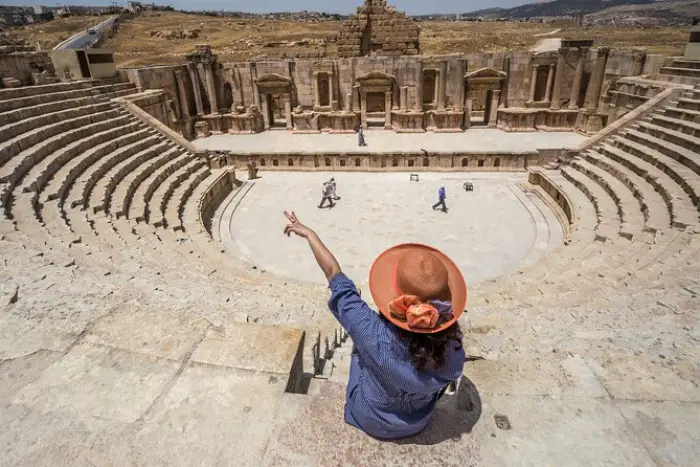
One of the finest surviving Roman theaters in the world, this 6,000-seat amphitheater was built in the 2nd century CE and is still used today for concerts and cultural events. Entry is free. Climb to the very top tier for a panoramic view over downtown Amman. The three-tiered seating arrangement reflects the social structure of Roman society: rulers at the front, the military in the middle, and ordinary citizens at the top.
3. Discover the Odeon Theater
Right next to the Roman Theater, the smaller Odeon (capacity: 500) is often overlooked by visitors. This intimate 2nd-century theater is beautifully preserved and far less crowded than its famous neighbor — a lovely quiet stop on any downtown Amman itinerary.
4. Walk Through Downtown Amman (Al-Balad)
The historic commercial heart of the city is chaotic, colorful, and completely authentic. Wander without a destination through narrow streets lined with gold shops, spice stalls, fruit vendors, and decades-old cafés. Al-Balad is where Amman’s daily life unfolds, and it is the best place in the city to simply exist among locals.
5. Visit the Temple of Hercules
Within the Citadel complex, the Temple of Hercules is one of Jordan’s most dramatic Roman ruins. Its massive archway has stood since 160 CE, and nearby you will find enormous marble fingers — remnants of what must have been a colossal statue. Archaeological mystery and architectural power combined.
6. See the Umayyad Palace
Also within the Citadel, the Umayyad Palace dates to the 8th century and was the administrative center of the Umayyad caliphate’s control over the region. The domed audience hall has been partially restored and gives a strong sense of the palace’s original grandeur.
7. Explore Nymphaeum Ruins
Located in downtown Amman, the Nymphaeum was a monumental Roman public fountain built in 191 CE. Though partially obscured by modern buildings, its scale is impressive, and it offers a glimpse of Roman civic life in what was then called Philadelphia.
8. Duke’s Diwan
One of Amman’s most charming hidden gems: the city’s oldest building open to the public. Built in 1924 as Amman’s very first post office, it later became the Ministry of Finance headquarters. The building, interiors, furniture, doors, and windows are beautifully preserved — a rare window into traditional Jordanian domestic and civic architecture.
9. See the Philadelphia Roman Forum Ruins
Located in central Amman, the ancient forum of Philadelphia (Amman’s Roman name) still has visible columns and stonework embedded within the modern city, a surreal juxtaposition of ancient and contemporary.
10. Visit the Byzantine Church Ruins at the Citadel
Within the Citadel complex, the remains of a Byzantine church from the 5th–6th centuries add another layer to the site’s extraordinary palimpsest of history.
Part 2: World-Class Museums

11. The Jordan Museum
The most comprehensive museum in the country, covering Jordan’s history from prehistoric times to the modern era. Highlights include the eerily beautiful Ain Ghazal statues — among the oldest human figurines ever discovered, more than 9,000 years old — and several of the famous Dead Sea Scrolls. The museum is modern, well-curated, and genuinely fascinating. Easily the best museum in Amman.
12. Jordan Archaeological Museum
Located within the Citadel complex, this museum houses artifacts from archaeological sites across Jordan, including Nabatean works, Roman sculptures, and Ammonite burial vessels. While some key pieces have moved to the Jordan Museum, it remains a worthwhile stop.
13. Jordan Museum of Popular Traditions
Situated inside the Roman Theater complex, this small museum offers a beautifully curated collection of traditional Jordanian costumes, jewelry, mosaics, and household objects from across the country’s regions.
14. Jordan Folklore Museum
Also within the Roman Theater complex, this museum documents Jordan’s Bedouin heritage through reconstructed campsites, traditional tools, and cultural artifacts. A fascinating and undervisited glimpse into the country’s nomadic past.
15. Royal Automobile Museum
A surprisingly excellent museum on the outskirts of Amman, housing the personal car collection of the late King Hussein — from vintage sports cars to royal motorcades. Rated one of the highest-reviewed attractions in the city; the layout is clear and engaging even for those who are not car enthusiasts.
16. The Old Signs of Amman Museum (Armat Museum)
A genuine hidden gem in Downtown Amman: a non-profit collection of old shop signs from the streets of the capital, dating back 40 years or more. Small, quirky, and unexpectedly moving — a love letter to the city’s commercial and visual identity.
17. Darat al Funun Art Center
Set in a stunning 1920s villa overlooking the city, Darat al Funun (“Little House of the Arts”) is one of the most respected contemporary art institutions in the Arab world. It sits on top of ancient Roman ruins, has a rotating gallery of Arab contemporary art, beautiful gardens, and a rooftop café with some of the best sunset views in Amman — and entry is free.
18. TIRAZ — Widad Kawar Home for Arab Dress
An extraordinary specialist museum housing the largest collection of Arab cultural heritage items related to dress and textiles, promoting the preservation and understanding of traditional clothing traditions across the Arab world.
19. Children’s Museum Jordan
A well-designed interactive museum near the Royal Automobile Museum, perfect for families traveling with younger children. Engaging exhibits across science, culture, and the natural world.
20. Royal Jordanian Geographic Center
An educational institution offering insights into Jordan’s geography, cartography, and natural landscape. Undervisited and genuinely interesting for geography enthusiasts and map lovers.
Part 3: Religious and Spiritual Sites
21. King Abdullah I Mosque
Amman’s most iconic mosque, and the only mosque in the city open to non-Muslim visitors. The vast blue dome — decorated with Quranic texts — can accommodate over 10,000 worshippers. Built on the site of a mosque from 640 CE, and constructed as the first major architectural project of the Jordanian kingdom, it is both a spiritual landmark and a masterpiece of contemporary Islamic architecture. Women can borrow abayas for their visit free of charge. A small museum inside celebrates King Abdullah I’s legacy.
22. King Hussein Mosque
Located in the heart of downtown Amman, the King Hussein Mosque is a historic and active place of worship, a landmark of the city’s Islamic heritage, and a beautiful example of traditional mosque architecture.
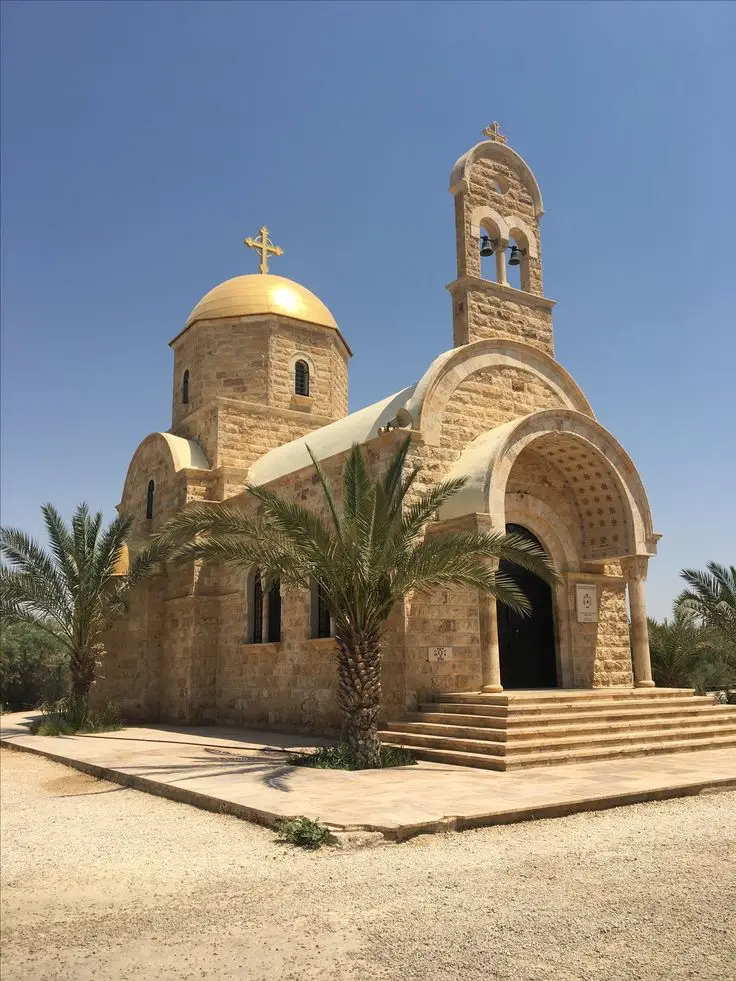
23. St. George’s Greek Orthodox Church
One of Amman’s oldest Christian churches, reflecting the city’s rich history of religious coexistence and its significant Christian community.
24. Cathedral of St. Ephrem
A significant landmark of Syrian Orthodox architectural heritage in Amman, welcoming visitors interested in the city’s diverse religious landscape.
25. Saint Thaddeus Armenian Church
An important cultural and historical landmark for Amman’s Armenian community, offering a glimpse into one of the city’s many diaspora histories and architectural traditions.
Part 4: Neighborhoods to Explore

26. Jabal Amman and Rainbow Street
Rainbow Street — officially Abu Bakr al-Siddiq Street — is Amman’s most beloved road, running along the top of Jabal Amman hill. Lined with cafés, restaurants, boutiques, art galleries, and street art, it comes alive in the evening and is the social heartbeat of the city. Do not miss Souk Jara on Fridays: a weekly open-air market on Fawzi Al-Maalouf Street selling antiques, art, handicrafts, and vintage finds.
27. Jabal al-Lweibdeh (Al Weibdeh)
Amman’s bohemian quarter: a quiet, walkable neighborhood colonized by artists, writers, and intellectuals, home to coffee shops, murals, independent galleries, and a laid-back creative energy that offers a beautiful counterpoint to the bustle of downtown. One of the most underrated neighborhoods in the Middle East.
28. Abdali and The Boulevard
Amman’s modern face: a sleek, contemporary urban district with new hotels, restaurants, designer boutiques, and the pedestrianized Boulevard — a great place for evening strolls and people-watching amid contemporary Jordanian city life.
29. Swefieh Village
An outdoor urban lifestyle destination in West Amman for shopping, dining, and entertainment. One of the city’s most pleasant and underrated modern spaces.
30. Mecca Street
A diverse, local-oriented street in West Amman packed with restaurants offering everything from Italian to Jordanian, with a genuinely local, non-touristy atmosphere.
Part 5: Food and Drink

31. Eat Breakfast at Hashem Restaurant
For over 65 years, Hashem has been serving classic Arabic breakfasts to locals, diplomats, royalty, and travelers. Open-air, bustling, gloriously unpretentious — it is arguably the most famous restaurant in Jordan. Order the hummus, fuul (fava bean paste), and falafel. Arrive early.
32. Try Mansaf — Jordan’s National Dish
No visit to Jordan is complete without eating mansaf: lamb cooked in fermented dried yogurt (jameed), served over rice and topped with nuts. Several restaurants in Amman serve excellent mansaf; ask locals for their recommendations for the most authentic versions.
33. Have Falafel at AlQuds
Recommended by walking tour guides as among the best falafel in Amman, AlQuds is a local institution. Cheap, fast, and packed with flavors that no restaurant can replicate.
34. Explore the Spice Souq
Downtown Amman’s spice market is a sensory assault in the best possible way: towering pyramids of za’atar, sumac, cumin, and dried herbs fill narrow alleys with heady aromas. Even if you are not buying, it is one of the most photogenic spots in the city.
35. Dine at Sufra Restaurant
Housed in a beautifully restored historic villa on Rainbow Street, Sufra serves authentic Jordanian dishes — mezze, grilled meats, and traditional specialties — in an atmosphere that is elegant but unpretentious. One of the best dining experiences in Amman.
36. Coffee at Rumi Cafe
A beloved morning stop, Rumi serves a small but excellent breakfast menu that includes a “local white cheeses” spread reminiscent of a Turkish breakfast. Warm, intimate, and genuinely delicious.
37. Try Kunafa
The queen of Levantine sweets: a pastry of shredded wheat dough layered over melted white cheese, soaked in sugar syrup, and finished with crushed pistachios. In Amman, it is available across the city, but downtown vendors near the Roman Theater are among the best.
38. Coffee Culture on Rainbow Street
Amman has an exceptional café scene, and Rainbow Street is its epicenter. Notable spots include Shams El Balad (a secluded outdoor courtyard with jazz music and great mezze), Dali (the city’s closest thing to an arthouse café), and Cafe Kepi (classic Arab café with backgammon and playing cards).
39. Rooftop Drinks at Cantaloupe
Located on Rainbow Street, Cantaloupe offers cocktails, European-inspired food, and what many consider the most expansive view over Amman’s old town. An essential evening stop.
40. Join a Jordanian Cooking Class
Several venues in Amman offer hands-on cooking classes in traditional Jordanian cuisine. “Grandma’s House” is one of the most praised, offering an intimate experience learning to prepare and eat the classic dishes of the Jordanian table.
41. Visit a Traditional Jordanian Restaurant in Jabal al-Lweibdeh
The Lweibdeh neighborhood is home to some of the most innovative and authentic dining in the city, including restaurants dedicated to preserving regional Jordanian dishes and diaspora food traditions that cannot be found anywhere else in the country.
42. Try Maqluba
Another Jordanian classic: an “upside-down” dish of rice, vegetables, and meat (usually chicken or lamb) that is cooked in a pot and then flipped onto a serving plate. Rich, comforting, and deeply Jordanian.
43. Sample Street Food in Downtown
From shawarma and manaqeesh (flatbread with za’atar or cheese) to roasted corn, fresh-squeezed pomegranate juice, and knafeh, downtown Amman’s street food scene is one of the city’s great pleasures.
44. Explore the Gold Souq
Amman’s gold market is a glittering labyrinth of jewelry shops selling high-quality gold and silver pieces at some of the best prices in the region. Even if you are not buying, the atmosphere is spectacular.
45. Mango Souq
The city’s oldest market, selling clothes, perfume, accessories, and everyday goods. A lively, authentic slice of Amman commercial life with none of the tourist-market artificiality.
Part 6: Art, Culture, and Entertainment
46. Attend a Performance at the Roman Theater
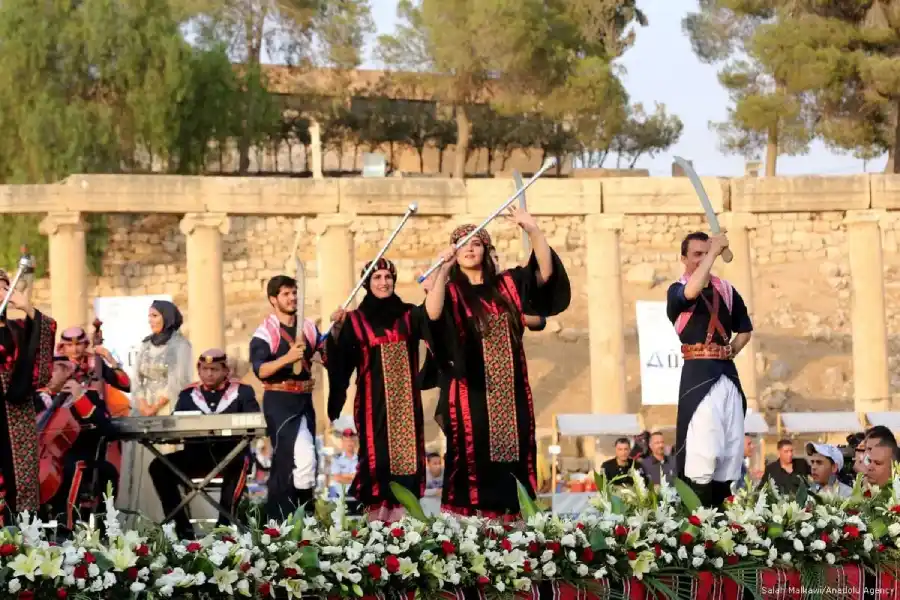
In summer, the Roman Theater hosts live concerts, theatrical performances, and cultural events. There are few more atmospheric venues anywhere in the world — 6,000 seats carved into a hillside under a clear Jordanian sky.
47. Gallery Hopping in Jabal al-Lweibdeh
The Lweibdeh neighborhood is home to Amman’s most vibrant art scene. Galleries like Nabad and Dar Al-Anda showcase local and regional talent, while informal artist spaces host events ranging from tarot reading nights to small-scale film festivals.
48. Visit Zaha Cultural Center
A vibrant community arts hub in Amman hosting a rotating program of events, exhibitions, performances, and workshops that reflect the city’s contemporary cultural creativity.
49. Take a Free Walking Tour of Downtown
Several organizations offer free walking tours of downtown Amman and its historic neighborhoods, providing context, stories, and local knowledge that transform a wander into a genuine historical education.
50. Discover Gilgamesh Art Cafe
Tucked away in an alley covered in street art in Jabal al-Lweibdeh, Gilgamesh Art Café is one of Amman’s most beloved creative spaces: part café, part gallery, part community hub.
51. Jadal for Knowledge and Culture
Hidden behind an unassuming blue door in a stairwell off Rainbow Street, Jadal is a cultural space hosting book discussions, film screenings, workshops, and community events. One of Amman’s most authentic and welcoming cultural institutions.
52. Attend the Amman Summer Festival
Jordan’s most prominent annual cultural festival takes place in Amman each summer, featuring international and local music, theater, and arts performances across the city’s most iconic venues.
53. Street Art Tour of Al Weibdeh
The Lweibdeh neighborhood is an open-air gallery of murals, installations, and street art created by Jordanian and international artists. A self-guided walk through its streets is one of Amman’s most enjoyable free experiences.
54. Evening at Books@Cafe
One of Amman’s most beloved institutions: a laid-back café and bar in the Jabal Amman area where books, shisha, coffee, and conversation coexist in an eclectic, welcoming atmosphere.
Part 7: Day Trips from Amman
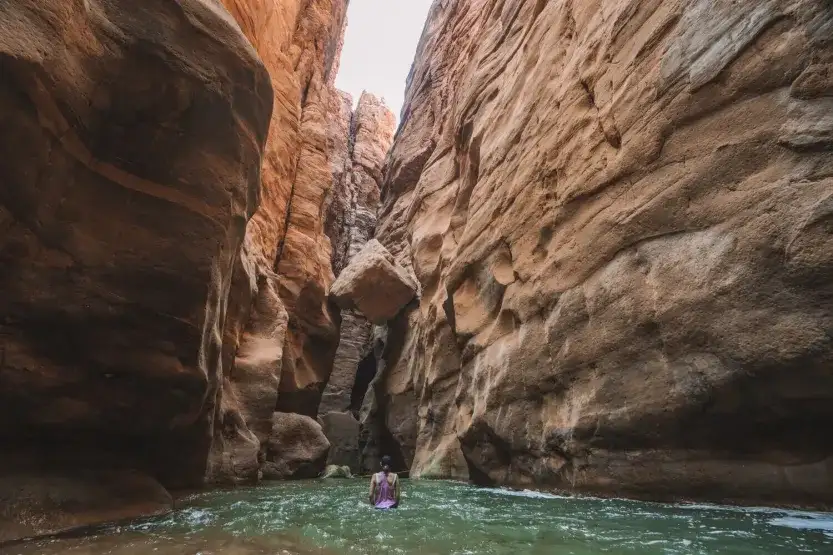
Amman’s central location makes it the perfect base for Jordan’s greatest highlights, most of them reachable in under two hours.
55. Jerash — The Roman City
Just 50 km north of Amman, Jerash is one of the best-preserved Roman provincial cities in the world — an entire urban landscape of colonnaded streets, triumphal arches, temples, and theaters still standing in extraordinary condition. A non-negotiable day trip.
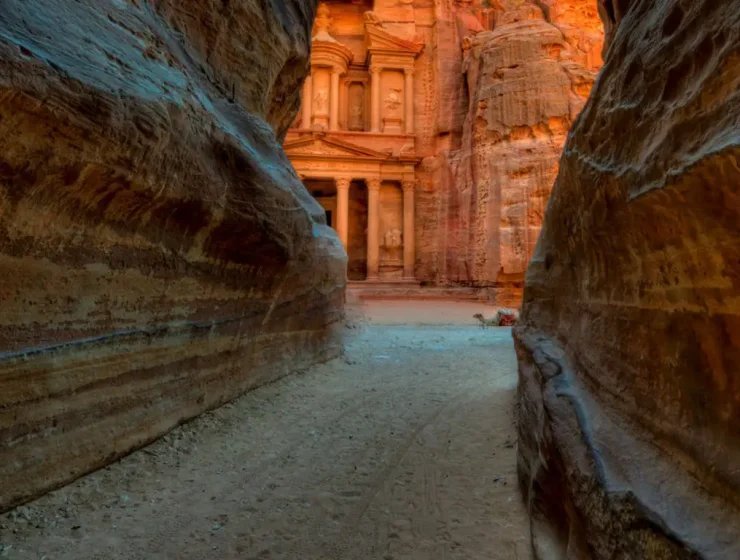
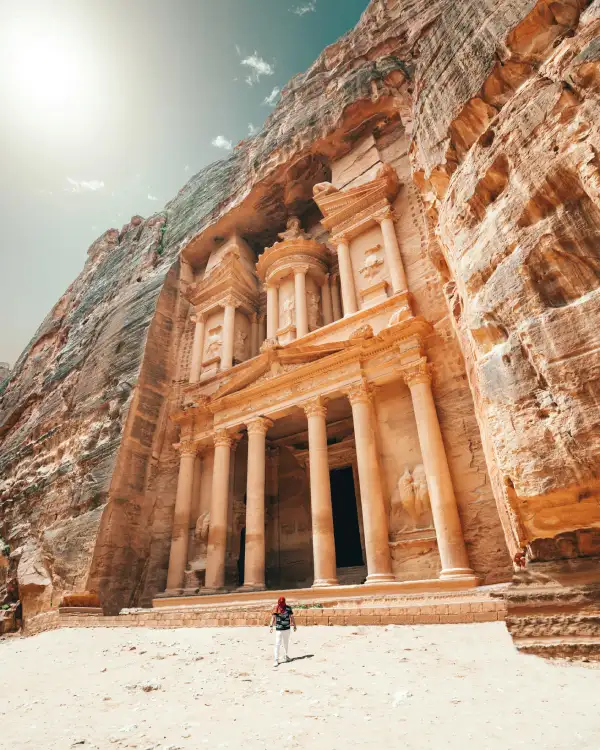
56. Petra — The Rose-Red City
One of the New Seven Wonders of the World and a UNESCO World Heritage Site, Petra is approximately three hours south of Amman. The ancient Nabatean capital, carved into rose-red sandstone cliffs more than 2,000 years ago, is an experience without equal. Allow at least a full day.
57. The Dead Sea
The lowest point on Earth, the Dead Sea is reachable from Amman in under an hour by car or taxi (Uber works too). Float effortlessly in the mineral-rich waters, slather yourself in therapeutic mud, and enjoy the extraordinary desert-meets-sea landscape.
58. Wadi Rum
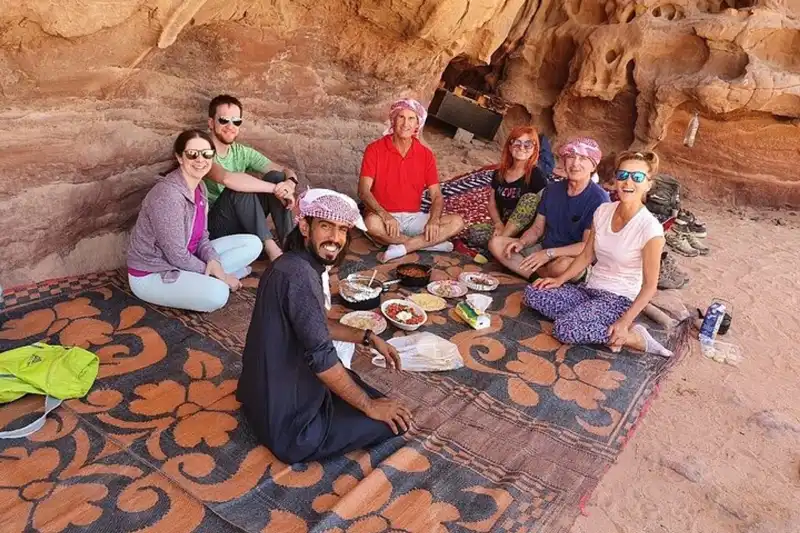
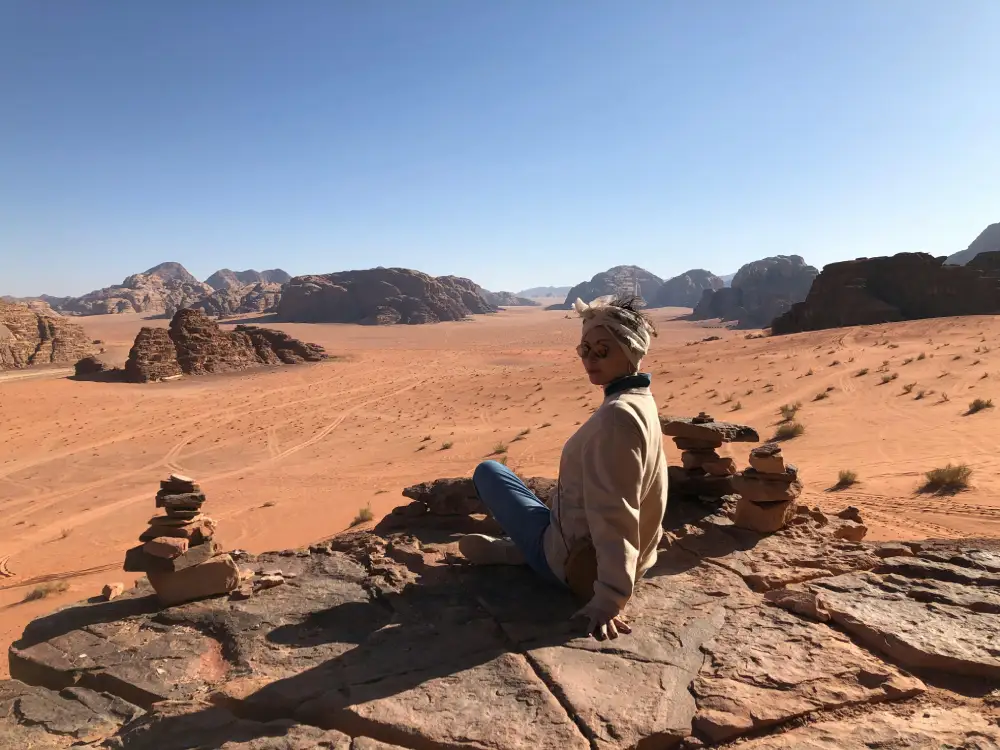
The vast red desert of Wadi Rum — a UNESCO World Heritage Site and the backdrop for countless films including Lawrence of Arabia and The Martian — is around two hours from Amman. Jeep tours, camel rides, and overnight camping under a canopy of stars are all available.
59. As-Salt — UNESCO World Heritage Town
Just 30 km west of Amman, As-Salt is a UNESCO World Heritage city of beautifully preserved Ottoman-era limestone architecture, traditional souqs, and genuine local charm. Visit the Abu Jaber Museum and Khirbet Ayoub (the reputed tomb of Prophet Job) while you are there.
60. Madaba — The City of Mosaics
An hour south of Amman, Madaba is home to the famous Madaba Map (542–570 CE) — the world’s oldest cartographic depiction of the Holy Land, made from Byzantine floor mosaics and still housed in the Greek Orthodox Church of St. George.
61. Mount Nebo
The summit from which, according to the Bible, Moses saw the Promised Land he would never enter. Located near Madaba, Mount Nebo offers spectacular views across the Jordan Valley and on clear days all the way to Jerusalem and the Dead Sea.
62. Ajloun Castle
A 12th-century Islamic castle built by a general under Saladin, set on a dramatic hilltop 76 km north of Amman with commanding views over the Jordan Valley. A fascinating counterpoint to the region’s Crusader fortresses.
63. Qasr Amra — Desert Castle
A UNESCO World Heritage Site and one of the most remarkable early Islamic buildings in the world. Built in the 8th century as a desert retreat, Qasr Amra is famous for its extraordinary Umayyad frescoes — vivid, naturalistic paintings covering the walls and ceilings of the bathhouse, depicting hunting scenes, the constellations, and sensuous figures that are completely unique in early Islamic art.
64. Qasr al-Hallabat
One of the most significant of Jordan’s Eastern Desert Castles, Qasr al-Hallabat began as a Roman fort before being transformed into an Umayyad palace complex. Its mosaics and decorative stonework are exceptional.
65. Azraq Wetland Reserve
A remarkable RSPB-managed wetland reserve in the Eastern Desert, a key stopover for hundreds of thousands of migratory birds on their way between Africa and Europe. A unique ecological gem in one of the world’s most arid regions.
66. Qasr Deir Al Kinn and the Black Desert
For adventurous travelers, the Harrat al-Shamah — the Black Desert of eastern Jordan — offers an extraordinary landscape of volcanic basalt and ancient desert castles, including the road to Jawa, home to the world’s oldest dam.
Part 8: Outdoor Activities and Experiences

67. Hike Between Amman’s Hills
Amman’s hilly topography makes it a natural city for urban hiking. Walking between neighborhoods — from downtown up to the Citadel, across to Rainbow Street, down into Lweibdeh — involves constant ascent and descent through fascinating, ever-changing urban landscapes.
68. Watch the Sunset from the Citadel
The Citadel is widely regarded as the best sunset-viewing spot in Amman. As the light turns golden and Amman’s limestone buildings glow, this becomes one of the most magical experiences the city offers. Arrive 90 minutes before sunset to explore first.
69. Photography Walk Through Downtown
Amman’s old town is exceptionally photogenic: arched windows, stacked stone buildings, minarets, street vendors, and an atmosphere of layered time that rewards photographers at every turn.
70. Explore Amman’s Stairways
The city’s hills are connected by hundreds of stone stairways — some ancient, some modern, all fascinating. Descending unexpected staircases between Jabal Amman and downtown is one of the city’s most atmospheric free pleasures.
71. Cycling Around Abdali
The modern Abdali district has become more cycling-friendly in recent years, with smooth roads and a relatively flat layout compared to the rest of the city.
72. Explore Amman at Night on Foot
After dark, Amman transforms. The Roman Theater is illuminated. Rainbow Street buzzes with café life. Downtown souqs offer cooler evening temperatures and mellower crowds. An evening walk through the city is a completely different — and equally rewarding — experience from the daytime version.
Part 9: Shopping and Markets
73. Souk Jara (Fridays Only, June–September)
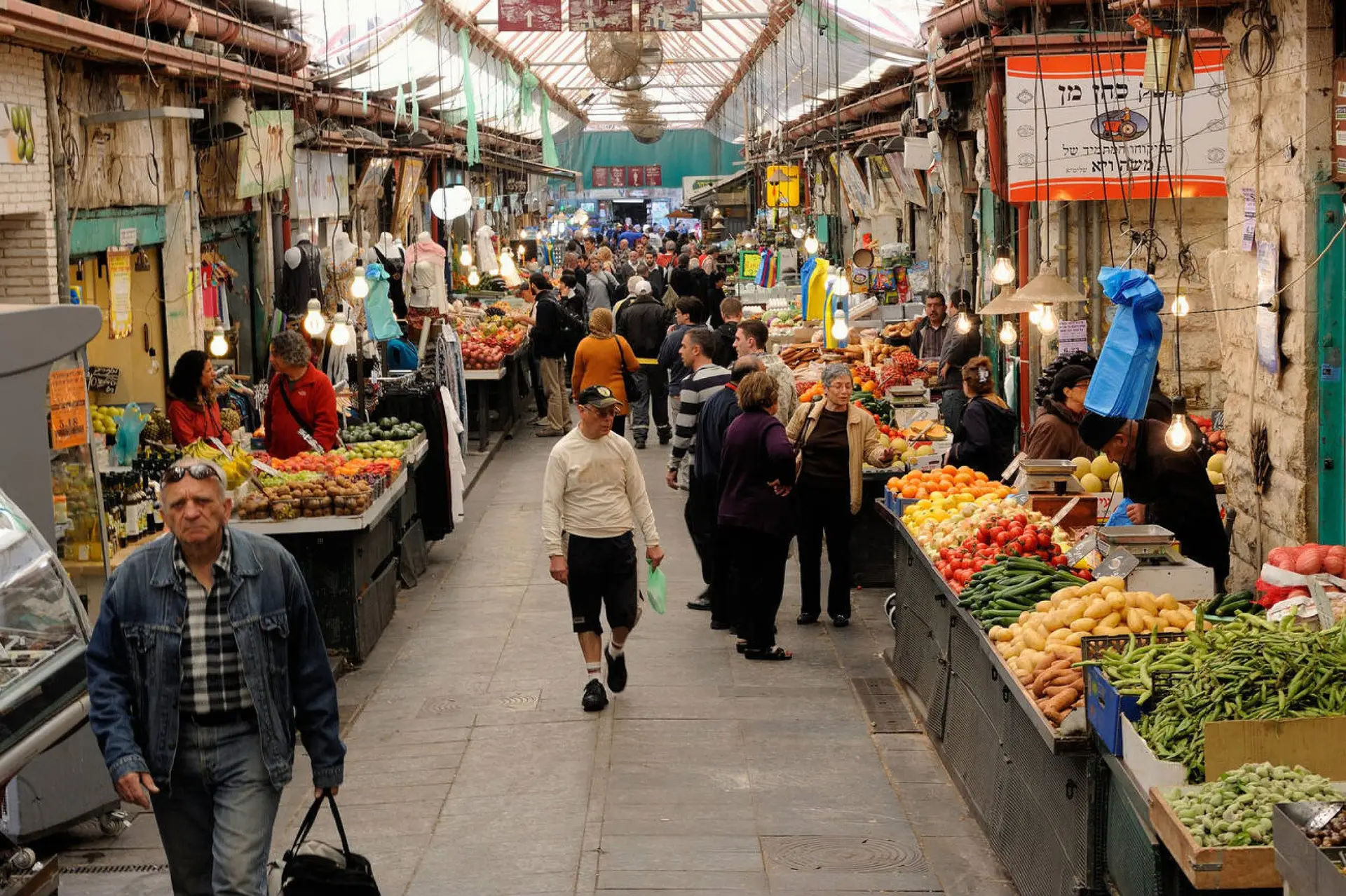
Open only on Friday mornings from 10 AM to 10 PM (June to September), Souk Jara is a beloved open-air flea market off Rainbow Street where local artisans sell antiques, handmade crafts, contemporary art, vintage clothing, books, and traditional Jordanian items. One of the most enjoyable experiences in the city.
74. Browse the Traditional Souqs of Downtown
Amman’s downtown souqs cover almost every conceivable category of goods: spices, gold, textiles, electronics, second-hand clothing, fresh produce, and traditional crafts. Wander freely and bargain politely.
75. Shop for Jordanian Ceramics
The distinctive hand-painted blue-and-white ceramics of Jordan make exceptional, genuinely local souvenirs. Several shops in Rainbow Street and Al Weibdeh stock beautiful pieces by contemporary Jordanian artisans.
76. Visit Jordan River Foundation Shops
The Jordan River Foundation runs social enterprise craft shops selling high-quality handmade textiles, embroidery, jewelry, and gifts made by Jordanian craftswomen. Purchasing here directly supports local artisan communities.
77. Discover Local Fashion Boutiques in Lweibdeh
The Al Weibdeh neighborhood has a growing number of independent Jordanian fashion designers with boutiques selling contemporary clothing that incorporates traditional Jordanian motifs and textiles.
78. Explore Abdali Mall and City Mall
For a contemporary shopping experience, Amman’s modern malls offer international brands, food courts, cinemas, and entertainment, providing a view of the city’s cosmopolitan, consumer-facing side.
Part 10: Wellness, Relaxation, and Unique Experiences
79. Traditional Hammam (Turkish Bath)
Amman has several traditional hammams offering the full experience: steam room, exfoliation, massage, and relaxation. A profound cultural experience rooted in centuries of Ottoman and Arab wellness tradition.
80. Gaia’s Cocoon Spa
A highly rated luxury spa in Amman offering hammams, therapeutic massages, and a fully equipped aqua lounge. One of the finest wellness experiences in the city.
81. Shisha at a Traditional Café
In Amman, the café is not just a place to drink coffee — it is a social institution. Sitting in a traditional café with a shisha pipe, a game of backgammon, and tea or Arabic coffee is one of the most authentic and enjoyable ways to spend an afternoon.
82. Jordan Pass and the Archaeological Sites Network
Purchase a Jordan Pass before your trip, which covers visa costs and entry to over 40 archaeological sites across Jordan, including Petra. It is one of the best-value travel products available anywhere in the Middle East.
83. Attend Friday Prayers at a Historic Mosque
If visiting on a Friday, experiencing the call to prayer and the gathering of worshippers at one of Amman’s historic mosques is a powerful cultural and spiritual experience.
Part 11: Practical Travel Tips for Amman
84. Getting There: Queen Alia International Airport
A modern, architecturally striking airport approximately 40 km south of central Amman. Taxis, Uber, and Careem are the most practical options for the city center. Journey time is approximately 45 minutes.
85. Getting Around: Uber and Careem
There is no metro in Amman, and public buses are difficult to navigate without local knowledge. Uber and Careem work well throughout the city and are affordable. For exploring a single neighborhood, walking is highly recommended.
86. Getting a Local SIM Card
Picking up a local SIM or eSIM on arrival is strongly recommended. Having maps, Uber, and Google Translate on your phone transforms navigation in a hilly city with minimal street signage.
87. When to Visit Amman
Spring (March to May) and Autumn (September to November) offer the most pleasant temperatures for sightseeing. Summers are hot but dry. Winters are cool and can be rainy. Ramadan transforms the city’s rhythms but offers unique cultural experiences for respectful visitors.
88. How Long to Spend in Amman
Two full days is enough to cover the city’s major highlights. Three to four days allows a more relaxed pace and the inclusion of day trips to Jerash, As-Salt, or Madaba. For those using Amman as a base for all of Jordan, five to seven days works well.
89. Safety in Amman
Amman is one of the safest capital cities in the Middle East and is consistently rated among the region’s most welcoming destinations for international travelers.
90. Dress Code and Cultural Etiquette
While Amman is relatively liberal by regional standards, modest dress is respectful and expected at religious sites. Women should carry a headscarf for mosque visits. Public displays of affection should be kept minimal.
91. Currency
The Jordanian Dinar (JOD) is the currency. Cards are accepted in many restaurants, hotels, and shops, but cash is useful for souqs, street food, and smaller establishments.
Part 12: Unique and Off-Beat Amman Experiences
92. Attend an Event at Jadal for Knowledge and Culture
Jadal hosts an eclectic and constantly changing program of events — film screenings, book clubs, workshops, musical evenings, and community discussions. A window into Amman’s intellectual and creative life that few tourists ever experience.
93. Find the Hidden Rooftop at Darat al Funun
The nameless rooftop spot at the foot of Darat al Funun’s southern entrance is arguably the city’s best-kept sunset secret. Pizza, music, friends, and a view over Amman’s white and gold hillside at dusk.
94. Aristotle Cafe in Lweibdeh
A funky, intellectually charged café in the Lweibdeh neighborhood that doubles as an informal gathering place for Amman’s creative community.
95. Manara Arts and Culture Center
A cultural hub offering programming in visual arts, theater, and community events, with great views over the city and a distinctive contemporary architectural presence.
96. Sekrab Rooftop Bar
An eclectic, retro-style rooftop bar in Amman with street snacks, beers, and a casual, cosmopolitan vibe. One of the best places in the city to experience Amman’s growing and vibrant nightlife scene.
97. Explore Amman at the Crack of Dawn
There is a completely different Amman that exists between 5:30 AM and 7:00 AM — a city of bakers, street sweepers, early-morning prayers, and empty golden streets. Walking downtown before the city wakes is an extraordinary experience.
98. Take a Guided Food Tour of Downtown
Several operators offer specialized food tours of downtown Amman, threading through souqs, street food stalls, traditional bakeries, and local restaurants. The best way to eat and learn simultaneously.
99. Simply Wander
Amman’s greatest offering is not in any list. Its stairways, alleys, hilltop views, unexpected murals, and impromptu conversations with hospitable locals are the things travelers remember most. Allow yourself at least one afternoon with no plan: let the city reveal itself.
Final Thoughts: Amman Deserves Your Time
Amman is no longer the overlooked stopover it once was, but it still lacks the global profile it deserves. A city of 10,000 years of history, of extraordinary archaeological depth, of world-class food, thriving arts, and people who represent some of the finest hospitality traditions in the world — Amman is ready to be your favorite city in the Middle East.
Start planning your Amman adventure today. You will not regret staying longer.