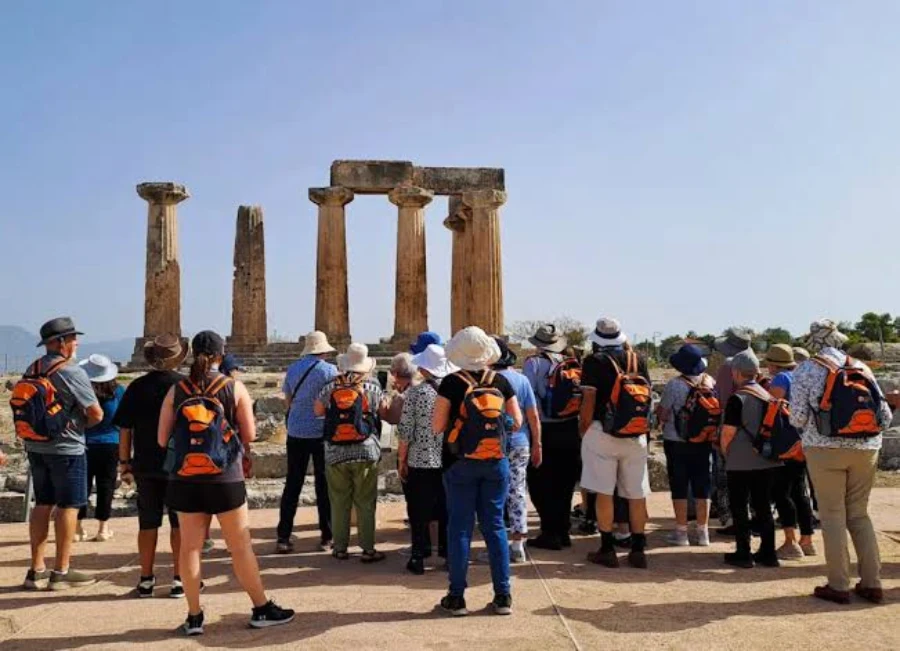
Worship groups tourism is a meaningful form of religious travel that brings people together to practice their faith, participate in worship activities, and visit destinations with spiritual significance. Whether organized by churches, religious communities, or faith-based organizations, these journeys offer opportunities to strengthen spiritual connections while discovering the history and culture of sacred destinations.
From group prayer and religious gatherings to visits to biblical landmarks, worship group travel combines spiritual experiences with carefully planned travel arrangements. Jordan and the Holy Land are important destinations for Christian groups seeking to explore biblical history, visit historic churches, and experience places connected with their religious traditions.
What Is Worship Groups Tourism?
Worship groups tourism refers to organized travel for groups of people who wish to participate in religious activities, attend worship services, pray together, or visit sacred places. These trips may be arranged by churches, religious leaders, community organizations, or specialized tour operators.
Unlike conventional holidays, worship group trips are designed around the spiritual needs and shared interests of participants. The itinerary may include religious ceremonies, prayer meetings, church visits, Bible study activities, spiritual retreats, and guided tours of important religious sites.
Depending on the group’s purpose, a trip may focus primarily on worship or combine religious activities with cultural exploration and sightseeing.
Who Participates in Worship Group Tours?
Worship group tours can serve different religious communities, with each group having its own objectives and travel preferences.
Church Congregations
Church congregations may organize group trips to visit sacred destinations, attend religious events, or strengthen relationships among members. These journeys can provide opportunities for shared worship and meaningful experiences outside the local community.
Christian Worship Groups
Christian worship groups may travel to participate in prayer gatherings, religious conferences, worship events, or visits to important Christian landmarks. Their programs can be designed around specific spiritual interests and the needs of their members.
Bible Study Groups
Bible study groups often visit locations associated with biblical events to gain a deeper understanding of religious texts and their historical context. Guided visits can help participants connect biblical narratives with the geography and heritage of the region.
Religious Retreat Groups
Religious retreat groups travel to places that offer opportunities for prayer, reflection, meditation, and spiritual development. These trips may include structured religious sessions alongside peaceful surroundings and cultural experiences.
Faith-Based Organizations
Religious organizations may arrange travel for members, volunteers, or community groups to attend gatherings, visit religious institutions, or participate in spiritual and educational programs.
Why Are Jordan and the Holy Land Important for Worship Groups?
Jordan and the Holy Land attract Christian travelers because of their connections with biblical history and the development of Christian traditions. Their religious landmarks make them suitable destinations for worship groups, pilgrimage organizers, and church communities.
Bethany Beyond the Jordan
Bethany Beyond the Jordan, also known as Al-Maghtas, is an important Christian pilgrimage destination associated with the baptism of Jesus Christ. A visit to this site can be a central element of a worship group itinerary, offering participants an opportunity to explore its religious significance.
Mount Nebo
Mount Nebo is associated with Moses in biblical tradition. Its religious importance and views across the Jordan Valley make it a meaningful stop for groups interested in biblical history and spiritual reflection.
Madaba
Madaba is famous for its historic churches and remarkable religious mosaics, including the mosaic map of the Holy Land in St. George’s Church. It offers worship groups an opportunity to explore Christian heritage through art, architecture, and history.
Jerusalem
Jerusalem is one of Christianity’s most significant cities. Worship groups may visit the Church of the Holy Sepulchre, explore the Old City, and discover locations associated with important events in Christian tradition.
Bethlehem
Bethlehem is traditionally recognized as the birthplace of Jesus Christ. The Church of the Nativity is a major destination for Christian visitors and an important stop on many Holy Land pilgrimage itineraries.
Nazareth and the Sea of Galilee
Nazareth and the Sea of Galilee are associated with important events in the life and ministry of Jesus. Depending on the itinerary, worship groups can explore religious landmarks in these areas as part of a broader journey through biblical history.
Travelers planning to visit Jordan and destinations in the Holy Land on the same trip should confirm entry requirements, border arrangements, and current travel conditions before departure.
What Activities Can Be Included in a Worship Group Tour?
A successful worship group tour should reflect the purpose of the journey and the expectations of its participants. Depending on the religious community and destination, the program may include several types of activities.
- Group prayer and worship: Scheduled opportunities for prayer and worship according to the group’s traditions and arrangements.
- Visits to sacred sites: Guided tours of churches, biblical landmarks, monasteries, and other religious locations.
- Religious ceremonies: Participation in appropriate services or ceremonies where access and arrangements permit.
- Biblical history tours: Educational visits that explore the historical and cultural context of important religious events.
- Spiritual retreats: Time for reflection, religious discussions, and organized spiritual activities.
- Cultural experiences: Opportunities to discover local traditions, historical neighborhoods, and regional heritage.
Including a balance of religious activities, rest periods, and sightseeing can make the trip more comfortable and rewarding for participants.
Benefits of Organized Worship Group Travel
Organized worship group tours offer several advantages for religious communities planning to travel together.
Shared spiritual experiences: Traveling with people who share similar religious interests can strengthen relationships and create opportunities for collective worship and reflection.
Simplified planning: Coordinated transportation, accommodation, and guided visits help group leaders manage the practical aspects of the journey.
Meaningful destination experiences: Visiting sacred places with knowledgeable guides can provide a deeper understanding of their religious and historical importance.
Programs tailored to the group: Itineraries can be adapted to the group’s travel dates, budget, preferred activities, and physical requirements.
Community building: Group travel gives participants time to connect with one another, develop friendships, and share experiences beyond their usual environment.
How to Organize a Worship Group Tour
Planning a worship group trip requires careful coordination to ensure that the journey meets both spiritual and practical needs.
Identify the Group’s Purpose
Begin by defining the main objective of the trip. Some groups may prioritize visits to biblical sites, while others may focus on worship gatherings, religious events, or spiritual retreats.
Choose Suitable Destinations
Select destinations according to the group’s religious interests, available time, and travel arrangements. A Jordan itinerary might include Bethany Beyond the Jordan, Mount Nebo, and Madaba, while a Holy Land program may include Jerusalem, Bethlehem, Nazareth, and other religious landmarks.
Plan the Daily Schedule
A well-organized schedule should include time for religious activities, guided visits, meals, transportation, and rest. Group leaders should consider the needs of older participants and anyone requiring additional accessibility arrangements.
Coordinate Travel Services
Accommodation, transfers, meals, entrance fees, and guide services should be confirmed in advance. Organizers should also clarify which services are included in the package and whether any additional costs may apply.
Work With a Specialized Tour Operator
A tour operator experienced in religious group travel can help design a suitable itinerary, coordinate logistics, and communicate with local service providers. Working with an experienced organizer can make the planning process more straightforward for church leaders and group coordinators.
How Tour Operators Can Support Worship Groups
Worship groups have travel requirements that may differ from those of individual tourists or conventional leisure groups. Tour operators can serve these communities by offering specialized itineraries that reflect their religious interests and organizational needs.
Services may include group accommodation, private transportation, professional guiding, fixed departure dates, customized travel programs, and coordination for religious activities where permitted.
Tour operators can also work with church leaders, worship group coordinators, religious institutions, and faith-based travel agencies to develop programs for groups of different sizes.
Clear communication is particularly important. Group organizers should receive a detailed itinerary, transparent pricing, information about included services, booking conditions, and practical guidance before confirming their travel arrangements.
Frequently Asked Questions About Worship Groups Tourism
What is worship groups tourism?
Worship groups tourism is organized travel for groups who wish to participate in worship activities, prayer gatherings, religious events, or visits to sacred destinations.
Is worship groups tourism the same as religious tourism?
Worship groups tourism is a more specific form of religious tourism. Religious tourism covers a broad range of faith-related travel, while worship group tourism focuses on trips organized for people participating in shared religious activities or traveling as a faith community.
Can worship groups travel to Jordan?
Yes. Jordan offers important Christian heritage sites, including Bethany Beyond the Jordan, Mount Nebo, and Madaba, making it a relevant destination for Christian worship groups and pilgrimage travelers.
Can a worship group combine Jordan with the Holy Land?
Depending on current travel conditions, entry requirements, and border arrangements, groups may be able to combine religious destinations in Jordan with visits to Jerusalem, Bethlehem, and other locations in the Holy Land.
How can a church arrange a worship group trip?
A church can contact a tour operator to discuss the group’s size, preferred dates, budget, destinations, and religious activities. The operator can then propose an itinerary and coordinate the required travel services.
Plan a Meaningful Religious Group Journey
Worship group tourism offers an opportunity to combine faith, fellowship, and cultural discovery through carefully organized travel. Whether a group wishes to visit biblical landmarks, participate in religious activities, or explore the Christian heritage of Jordan and the Holy Land, the right itinerary can help create a meaningful and memorable experience.
Jordan offers a variety of religious and historical sites that can be incorporated into group travel programs, while the Holy Land provides additional opportunities to explore destinations deeply connected with Christian tradition.
Planning a trip for your church or worship group? Contact our team to explore group travel options and create a tailor-made itinerary that reflects your group’s interests, schedule, and spiritual priorities.