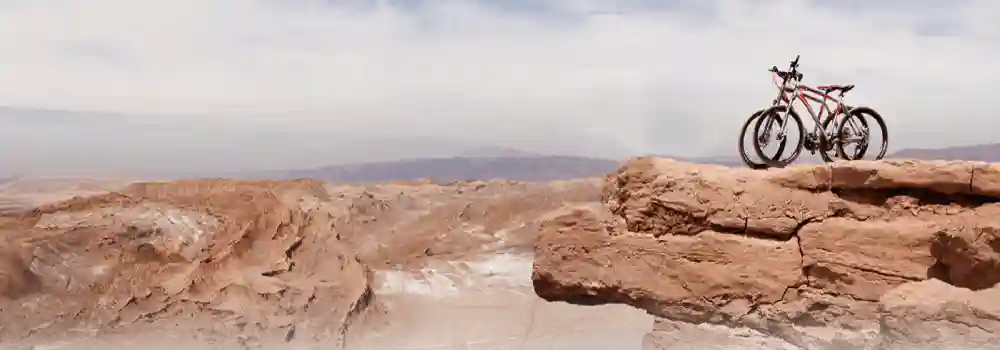
The Al-Khubtha Trail in Petra is one of the most scenic hiking routes in the ancient city of Petra, Jordan. The trail takes visitors through some of Petra’s most impressive archaeological sites, including the Siq, Street of Facades, Petra Theatre, Royal Tombs, and Urn Tomb, before climbing toward the Al-Khubtha viewpoint.
One of the main highlights of this route is the spectacular panoramic view over Petra, particularly the famous view toward the Treasury from above. The combination of ancient Nabataean architecture, dramatic sandstone cliffs, and elevated viewpoints makes the Al-Khubtha Trail a popular choice for visitors looking to experience Petra from a different perspective.
Where Does the Al-Khubtha Trail Start?
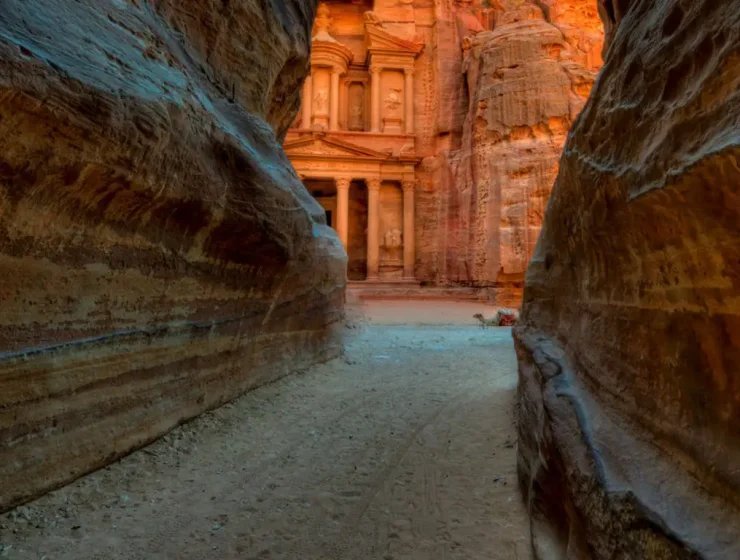
The trail begins at the Petra Visitor Center. From there, you follow the main route into the ancient city through the famous Siq, a narrow natural gorge surrounded by towering sandstone cliffs.
As you walk through the Siq, you eventually reach the central archaeological area of Petra, where several important monuments can be explored along the main trail.
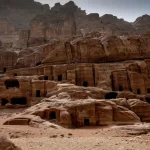
The route passes the Street of Facades, a collection of impressive rock-cut façades carved into the surrounding cliffs. These structures demonstrate the skill and architectural style of the Nabataeans, who transformed the natural sandstone landscape into an extraordinary ancient city.
Petra Theatre and the Start of the Climb
Continue along the main trail until you reach the Petra Theatre, a large rock-cut amphitheater carved directly into the sandstone mountain.
After visiting the theatre, continue toward the restrooms located beyond it. At this point, turn right and follow the staircase leading upward toward the Royal Tombs and the Al-Khubtha section of the trail.
The route becomes more challenging from here as you begin climbing a series of ancient steps toward the higher parts of the site.
Explore the Royal Tombs
One of the major highlights of the Al-Khubtha Trail is the group of monuments known as the Royal Tombs. These impressive rock-cut façades are carved into the eastern cliffs of Petra and include several important tombs.
Urn Tomb
The Urn Tomb is one of the most prominent Royal Tombs and is easily recognizable by its enormous façade. The tomb was later adapted for use as a church, and evidence of this later use can still be seen at the site.
The terrace in front of the Urn Tomb also provides an excellent place to appreciate the surrounding cliffs and Petra’s dramatic landscape.
Silk Tomb
Located close to the Urn Tomb, the Silk Tomb is known for the striking natural patterns and colors visible across its sandstone façade.
The different shades of red, orange, pink, and brown in the rock are particularly noticeable here and demonstrate the natural beauty of Petra’s geology.
Corinthian Tomb
The Corinthian Tomb features a large and highly decorated façade. Although weathering has affected many of its architectural details, it remains one of the notable monuments along the route through the Royal Tombs.
Palace Tomb
The Palace Tomb is another monumental structure carved into the mountainside. Its impressive scale and multi-level façade make it one of the most recognizable tombs in this part of Petra.
Exploring these tombs before continuing toward Al-Khubtha gives visitors a better understanding of the size and complexity of ancient Petra.
Climbing to the Al-Khubtha Viewpoint
After exploring the Royal Tombs, continue upward toward the Al-Khubtha High Place and Cistern. This section involves additional stairs and a relatively steep climb, so comfortable footwear and sufficient water are recommended.
The higher you climb, the more impressive the views become. The elevated position provides a broad panorama across Petra’s mountains and archaeological landscape.
The viewpoint is particularly famous for its elevated perspective over the Treasury, offering a completely different view from the one visitors experience at ground level.
The Al-Khubtha Viewpoint
Reaching the viewpoint is the main reward of the trail. From the top, visitors can look across the surrounding mountains and down toward the lower areas of Petra.
The elevated viewpoint also provides an opportunity to appreciate how the ancient city was integrated into the natural landscape. The sandstone cliffs, valleys, and rock-cut monuments create a dramatic setting that is difficult to appreciate fully from the main trail.
Take some time at the viewpoint before beginning the descent. The climb can be tiring, and the surrounding scenery makes it a worthwhile place to stop and rest.
How Difficult Is the Al-Khubtha Trail?
The Al-Khubtha Trail is a moderately challenging hike, mainly because of the number of stairs and the uphill sections leading to the viewpoint.
Visitors who are comfortable walking for several hours should generally be able to complete the route, but the climb can feel demanding, especially in hot weather.
To make the hike more comfortable:
- Start early in the morning when temperatures are cooler.
- Wear comfortable walking or hiking shoes.
- Carry enough drinking water.
- Take breaks during the uphill sections.
- Allow enough time to explore the Royal Tombs along the way.
- Be careful on uneven and worn stone steps.
- Avoid rushing on the descent.
How Long Does the Al-Khubtha Trail Take?
The total time depends on your walking speed, the amount of time you spend exploring the monuments, and how long you stay at the viewpoint.
Travelers who want to experience the trail properly should allow several hours rather than treating it as a quick walk. The route includes the Siq, Street of Facades, Theatre, Royal Tombs, uphill sections, and the Al-Khubtha viewpoint.
If you plan to photograph the monuments or stop frequently, allow additional time.
Best Time to Hike the Al-Khubtha Trail
The best time to hike the Al-Khubtha Trail in Petra is generally early in the morning or later in the afternoon when temperatures are more comfortable.
Starting early also gives you more time to explore the archaeological sites before the busiest part of the day. During warmer months, the combination of direct sunlight and uphill stairs can make the climb significantly more demanding.
Always check the conditions before setting out and carry sufficient water for the hike.
Returning to the Main Trail
After reaching the Al-Khubtha viewpoint, you can retrace your route and descend toward the lower part of Petra.
Once you have completed the viewpoint section, the route reconnects with the main trail around the Nymphaeum area. From there, you can continue exploring the archaeological site or return toward the Visitor Center through the main route.
Is the Al-Khubtha Trail Worth It?
The Al-Khubtha Trail is an excellent option for visitors who want to combine Petra’s major archaeological monuments with a scenic mountain hike. The route allows you to see several of the city’s most important rock-cut structures while also reaching an elevated viewpoint overlooking the ancient city.
The Royal Tombs are a major attraction along the route, while the panoramic views from Al-Khubtha provide a memorable way to experience Petra from above.
For travelers interested in history, photography, hiking, and dramatic landscapes, adding the Al-Khubtha Trail to a Petra itinerary can provide a different experience from simply following the main route through the ancient city.