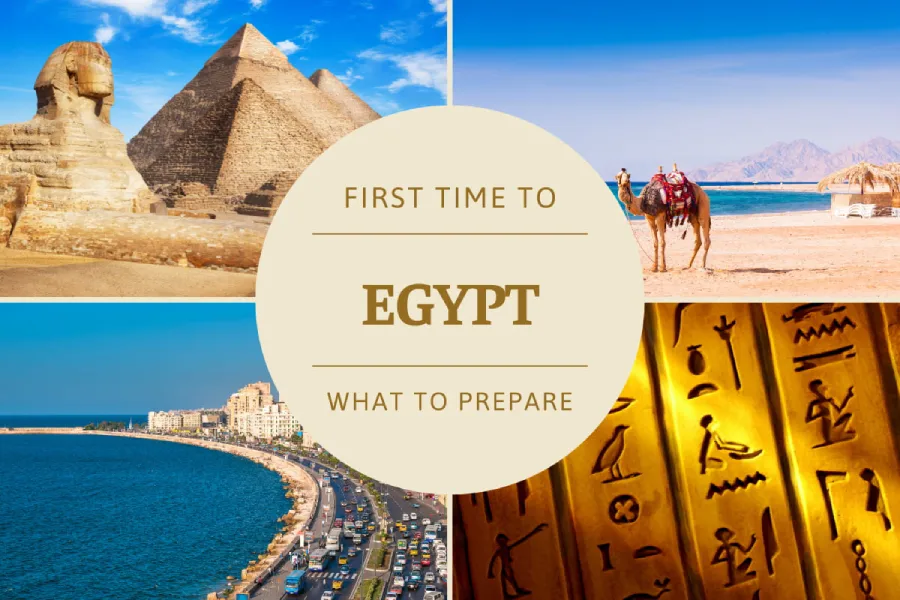
This first time in Egypt guide is not about repeating what you already know. You’ve seen the pyramids, the Nile, and the temples online. What most travelers don’t realize is that Egypt is not just a destination—it’s a layered experience that requires strategy.
Your first impression in Cairo might feel overwhelming. The traffic is intense, the streets are alive, and the energy is constant. But here’s the insider truth: once you understand how Egypt works, everything becomes easier, smoother, and far more enjoyable.
Before you even land, reviewing Travel requirements for Egypt can save you from common airport delays and confusion around visas, currency, and entry procedures.
Egypt Is Not One Destination — It’s Three Different Worlds
A mistake many first-time visitors make is treating Egypt as one uniform experience. In reality, Egypt divides into three distinct travel zones, each with its own pace and personality.
Cairo: Controlled Chaos with Ancient Wonders
Cairo is intense, but it’s also where your journey begins. The proximity to the Pyramids of Giza and the Great Sphinx of Giza makes it essential. However, the key is to limit your stay to 2–3 days. Anything longer can feel exhausting if it’s your first visit.
Upper Egypt: Open-Air Museum
When you reach Luxor, everything changes. The noise disappears, replaced by vast temples like Karnak Temple and sacred burial grounds such as the Valley of the Kings. This is where Egypt’s history becomes immersive, not just visual.
Aswan: The Slow Egypt
Further south in Aswan, time slows down. The rhythm of the Nile River defines daily life. It’s quieter, cleaner, and often the place travelers wish they had more time to enjoy.
When Is the Best Time to Visit Egypt?
Egypt’s climate isn’t just about “hot or not.” It directly affects your experience.
Traveling between October and April gives you the best conditions, but here’s the nuance:
- December and January bring crowds and higher prices
- March and November offer the perfect balance of weather and availability
Avoiding summer is obvious, but what many don’t realize is that Upper Egypt (Luxor & Aswan) can feel 10°C hotter than Cairo.
Getting Around Egypt Efficiently
Transportation in Egypt is where strategy matters most.
Flights save time, but trains give you context. Private drivers offer comfort, but guided tours remove stress. For a first trip, the smartest approach is a hybrid system.
Most experienced travelers combine:
- Flights for long distances (Cairo ↔ Luxor)
- Nile cruises between Luxor and Aswan
- Private transfers for short distances
If you’re unsure how to structure this efficiently, exploring Egypt tour packages for first-time visitors can help you avoid costly planning mistakes.
The Accommodation Trick That Changes Everything
Where you stay in Egypt is not just about comfort—it’s about experience design.
In Cairo, staying near the pyramids offers iconic views but limits access to city life. Downtown puts you in the center of culture but away from the monuments. In Luxor and Aswan, Nile-view hotels create a completely different atmosphere, especially at sunset.
Smart travelers don’t just book hotels—they research Best hotels in Cairo and Luxor based on location strategy, not just price or rating.
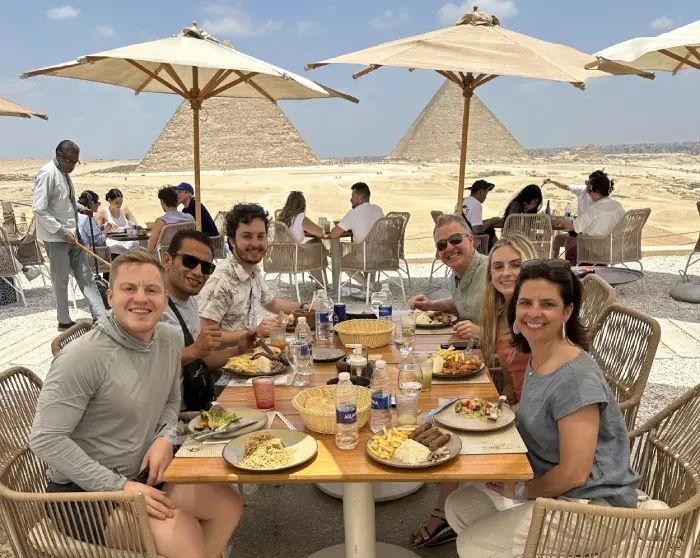
Egyptian Food: A Culinary Discovery
Egyptian food is often underestimated, but it’s one of the most authentic parts of your trip.
Dishes like Koshari may look simple, but they represent Egypt’s street culture. Ful Medames is not just breakfast—it’s a daily ritual.
The insider tip? Avoid hotel food when possible. Local restaurants, even small ones, often offer better flavor and authenticity.
To fully understand what you’re eating, take time to explore Traditional food in Egypt before your trip so you recognize dishes and order with confidence.
Cultural Awareness & Etiquette
Egypt is easy to navigate if you understand its social rules.
This is what experienced travelers know:
- Egyptians are direct, but friendly.
- Negotiation is normal in markets.
- Tipping is expected almost everywhere.
- Modest clothing earns respect and smoother interactions.
These aren’t restrictions—they’re tools. The more you align with local habits, the better your experience becomes.
Safety Tips for First-Time Visitors
Egypt is safer than many first-time travelers expect, especially in major tourist areas. However, comfort comes from awareness, not assumptions.
Stay in known areas, avoid unnecessary risks at night, and rely on licensed guides when visiting historical sites. Most issues travelers face are not dangerous, just inconvenient—like overpricing or miscommunication.
The Ideal First-Time Route (That Actually Works)
Instead of trying to “see everything,” focus on flow.
The most effective route is:
- Cairo for history and first impressions
- Flight to Luxor for temples and ancient sites
- Nile cruise to Aswan for relaxation and scenery
- Optional extension to Abu Simbel Temples
This structure reduces travel fatigue and maximizes experience.
Booking Strategy: Travel Smart, Not Hard
Efficient booking saves both time and stress.
Key Tips:
- Book tours in advance during peak season
- Compare Nile cruise itineraries carefully
- Choose reputable travel agencies
- Read verified reviews
Pro Tip: The Perfect Egypt Formula
Combine Cairo + Nile Cruise + Aswan
This route ensures you experience Egypt’s highlights without rushing, while enjoying both culture and relaxation.
Suggested 8-Day Itinerary
- Pyramids, museum, local markets
- Temples and Valley of the Kings
- Nile views and Abu Simbel
Final Thoughts: Travel Egypt with Confidence
Your first time in Egypt is not just a trip—it’s an immersion into history and culture unlike anywhere else.
With proper planning, smart choices, and cultural awareness, you’ll experience Egypt with confidence and ease.
Start planning today—Egypt is waiting to exceed your expectations.