Tucked away on a hilltop in the ancient town of As-Salt, Jordan, Khirbet Ayoub is one of the most spiritually significant yet quietly understated religious sites in the entire Middle East. Believed to be the final resting place of the Prophet Job — known in Arabic as Ayoub — this sacred site draws pilgrims, historians, and curious travelers alike, offering a rare blend of religious devotion, regional history, and breathtaking natural scenery.
Whether you are a Muslim seeking a moment of reflection, a history enthusiast exploring Jordan’s deep religious heritage, or a traveler looking for something truly off the beaten path, Khirbet Ayoub is a destination that leaves a lasting impression.
Who Was Prophet Job (Ayoub)?
In Islamic tradition, Prophet Job (Ayoub) is one of the most revered prophets — a man of extraordinary patience and unwavering faith. According to the Quran and Islamic scripture, Job was a righteous and prosperous man whom God tested with prolonged suffering: illness, loss of wealth, and personal hardship. Despite these trials, he never wavered in his devotion or gratitude, and he is held up as the ultimate symbol of sabr — patience and endurance in the face of adversity.
His story is recounted in the Quran in Surah Al-Anbiya (Chapter 21) and Surah Sad (Chapter 38), where God ultimately restores Job’s health and blessings as a reward for his steadfastness. Prophet Job is also a significant figure in Judaism and Christianity, making Khirbet Ayoub a site of broader Abrahamic resonance.
Where Is Khirbet Ayoub?
Khirbet Ayoub is located in As-Salt (also spelled Al-Salt), a historic city situated in the Balqa Governorate of northwestern Jordan, approximately 30 km west of Amman. The site sits atop a prominent hill, offering sweeping panoramic views over As-Salt and the surrounding valleys and landscapes.
As-Salt itself is a city of deep historical significance. In 2021, it was inscribed on the UNESCO World Heritage List as part of “As-Salt – The Place of Tolerance and Urban Hospitality,” recognizing its outstanding architecture, multicultural heritage, and unique urban character. Visiting Khirbet Ayoub in conjunction with a tour of As-Salt’s old town makes for one of the most rewarding day trips from Amman.
The Tomb of Prophet Job: What to Expect
The Tomb
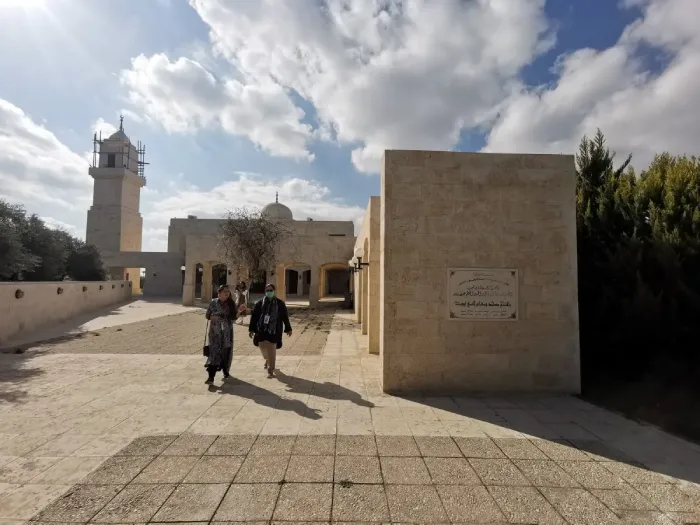
The centerpiece of Khirbet Ayoub is, naturally, the tomb of Prophet Job itself. The tomb is said to date back to the time of Job and is presented in the traditional manner of venerated Islamic burial sites: draped in a green cloth and surrounded by ornate decorations and calligraphy. For Muslim visitors especially, the act of visiting and paying respects (ziyara) at the tomb is a deeply meaningful spiritual experience.
It is worth noting that the attribution of the tomb to Prophet Job is rooted in Islamic tradition and local oral history passed down through generations. As-Salt has long been associated with the Prophet Job in Jordanian and broader Levantine religious memory.
The Mosque
Adjacent to the tomb stands a mosque, a relatively modern structure built to serve the religious needs of pilgrims and worshippers who visit the site. The mosque is open for daily prayers and welcomes visitors who wish to observe or participate in worship. Non-Muslim visitors are generally welcome to visit the complex respectfully, following standard guidelines for mosque etiquette (removing shoes, dressing modestly).
The Museum
A small museum within the Khirbet Ayoub complex houses a collection of artifacts and items connected to the story and legacy of Prophet Job. Highlights include:
- Copies of the Quran open to the verses recounting Job’s story, allowing visitors to read his account in its original sacred context
- Prayer rugs that, according to local tradition, are said to have been used by the Prophet Job himself
- Additional religious artifacts and explanatory materials that help contextualize the site’s spiritual and historical importance
While modest in scale, the museum adds meaningful depth to a visit and is especially valuable for those unfamiliar with Job’s story.
Panoramic Views and the Beauty of As-Salt
Beyond its religious importance, Khirbet Ayoub also rewards visitors with one of the finest views in northwestern Jordan. Perched atop its hill, the site looks out over the rooftops and minarets of As-Salt, the rolling hills of the Balqa region, and on clear days, toward the Jordan Valley and beyond.
This combination — spiritual significance, cultural heritage, and natural beauty — makes Khirbet Ayoub far more than just a pilgrimage stop. It is a place to slow down, absorb the landscape, and connect with the long human story woven into this part of the world.
Exploring As-Salt: What to See Nearby
A visit to Khirbet Ayoub fits naturally into a broader exploration of As-Salt, which deserves far more attention than it typically receives. The historic core of the city is home to:
- Ottoman-era architecture — As-Salt’s old town features beautifully preserved yellow limestone buildings from the late 19th and early 20th centuries, many with distinctive arched windows and decorative facades
- Abu Jaber Museum — housed in one of the city’s most impressive historic mansions, this museum offers a glimpse into the domestic life and material culture of As-Salt’s prosperous merchant families
- Al-Salt Archaeological Museum — a well-curated collection covering the region’s history from prehistoric times through the Islamic period
- The old souq — a lively traditional market where locals shop for produce, spices, and everyday goods in an atmosphere that has changed little for generations
- The Grand Mosque of As-Salt — a historic mosque at the heart of the old town, well worth a visit
As-Salt is also only a short drive from the Jordan Valley and the Dead Sea, making it easy to combine into a full-day itinerary from Amman.
Practical Visitor Information
| Detail | Information |
| Location | As-Salt (Al-Salt), Balqa Governorate, Jordan |
| Distance from Amman | ~30 km west (~45 minutes by car) |
| Site Type | Religious complex (tomb, mosque, museum) |
| Best Time to Visit | Year-round; cooler months (Oct–Apr) most comfortable |
| Dress Code | Modest dress required; women should bring a headscarf |
| Facilities | Mosque, small museum, open courtyard |
Getting There
Khirbet Ayoub is most easily reached by private car or taxi from Amman. The drive takes approximately 45 minutes via the main road to As-Salt. Taxis are readily available from Amman’s city center, and the town of As-Salt itself is well signposted from the main highway. Local minibuses also run between Amman and As-Salt regularly if you prefer public transport.
Tips for Visitors
- Dress modestly — as a functioning religious site, modest clothing is expected for all visitors. Women should cover their hair when entering the mosque or tomb area.
- Visit in the morning — the hilltop location means the site can get warm in the afternoon; morning visits offer cooler temperatures and better light for photography.
- Combine with As-Salt’s old town — allow at least half a day to explore both Khirbet Ayoub and the UNESCO-listed historic center of As-Salt.
- Respect the worshippers — during prayer times, be mindful that the mosque is in active use. Observe quietly and avoid disruptive behavior.
Why Khirbet Ayoub Belongs on Your Jordan Itinerary
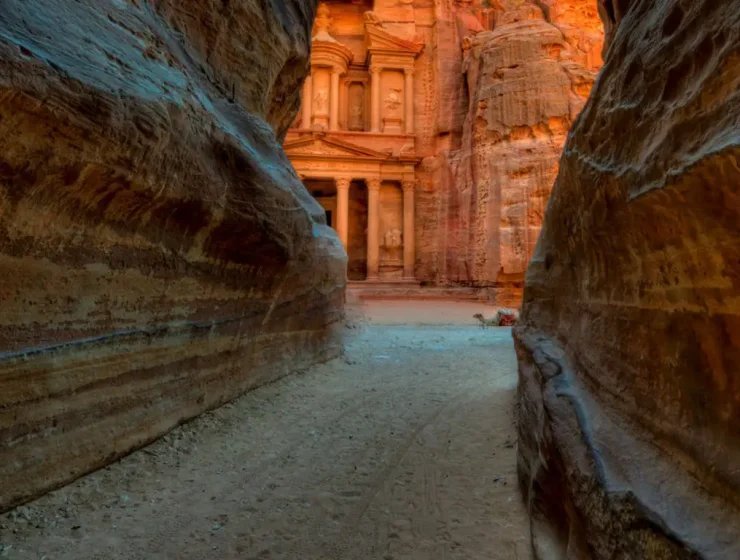
Jordan is blessed with an extraordinary density of historical and religious sites — from the rose-red city of Petra to the desert castles of the eastern steppe. In this crowded field of wonders, Khirbet Ayoub stands out for its intimacy and authenticity.
This is not a site that has been polished for mass tourism. It remains a living place of worship and community memory, where the story of a prophet’s patience continues to resonate with visitors across faiths and backgrounds. The views are magnificent, the atmosphere is peaceful, and the connection to one of humanity’s oldest and most universal spiritual stories — the capacity to endure suffering with grace — is tangible and moving.
For any traveler seeking to go beyond Jordan’s headline attractions and discover the quieter, more personal dimensions of this remarkable country, Khirbet Ayoub in As-Salt is not to be missed.
Khirbet Ayoub is an active religious site. Visitors are kindly asked to dress modestly, speak quietly, and treat the space with the respect it deserves as a place of ongoing worship and pilgrimage.